
March 4, 2025
Africa’s Climate Emergency – All five sub regions to cross the 1.5 °C threshold by 2040
2 min read
Latest News
The rapid loss of polar ice is intensifying climate change and extreme weather events worldwide. New research conducted by the University of Zimbabwe and the International Livestock Research Institute (ILRI), led by Professor Paul Mapfumo, warns that this crisis is pushing all five subregions of Africa past the 1.5°C warming threshold by 2040, even under low-emission scenarios.
Polar regions serve as Earth’s climate regulators, reflecting solar radiation and maintaining oceanic stability. As ice melts, the warming polar regions disrupt atmospheric and ocean circulation patterns fueling more frequent and intense precipitation, floods, droughts, storms, cyclones and hurricanes worldwide, posing a significant risk to communities in at risk regions. These changes devastate agriculture and food security in the African continent as well.
With Africa’s economies heavily dependent on agriculture, scientists emphasize the urgency of adopting just transition pathways that align with the United Nations Sustainable Development Goals (SDGs) to enhance food security and mitigate climate change.
Key strategies include regenerative farming and soil restoration (SDG 15: Life on Land), diversifying crops and livestock to enhance food security (SDG 2: Zero Hunger), promoting green industrialization (SDG 9: Industry, Innovation, and Infrastructure), and adopting climate-smart technologies (SDG 13: Climate Action). Achieving these goals requires significant investments in research, education (SDG 4: Quality Education), and market access (SDG 8: Decent Work and Economic Growth), ensuring long-term sustainability and resilience.
Feature image: Africa, Uganda. Credit: Nambasi, Pixabay.
Read more about how polar regions affect the African continent here.
Read more about Food Insecurity by clicking here.
Learn more about how the polar regions play a bigger role in the success of the United Nations Sustainable Development Goals by clicking here.
What You Can Do?
Join the Fight Against World's Climate Crisis
SubscribeDiscover global climate challenges and the Polar connection
Spread the WordShare this page to raise awareness
Read More From the Global Risks Category
- Latest News
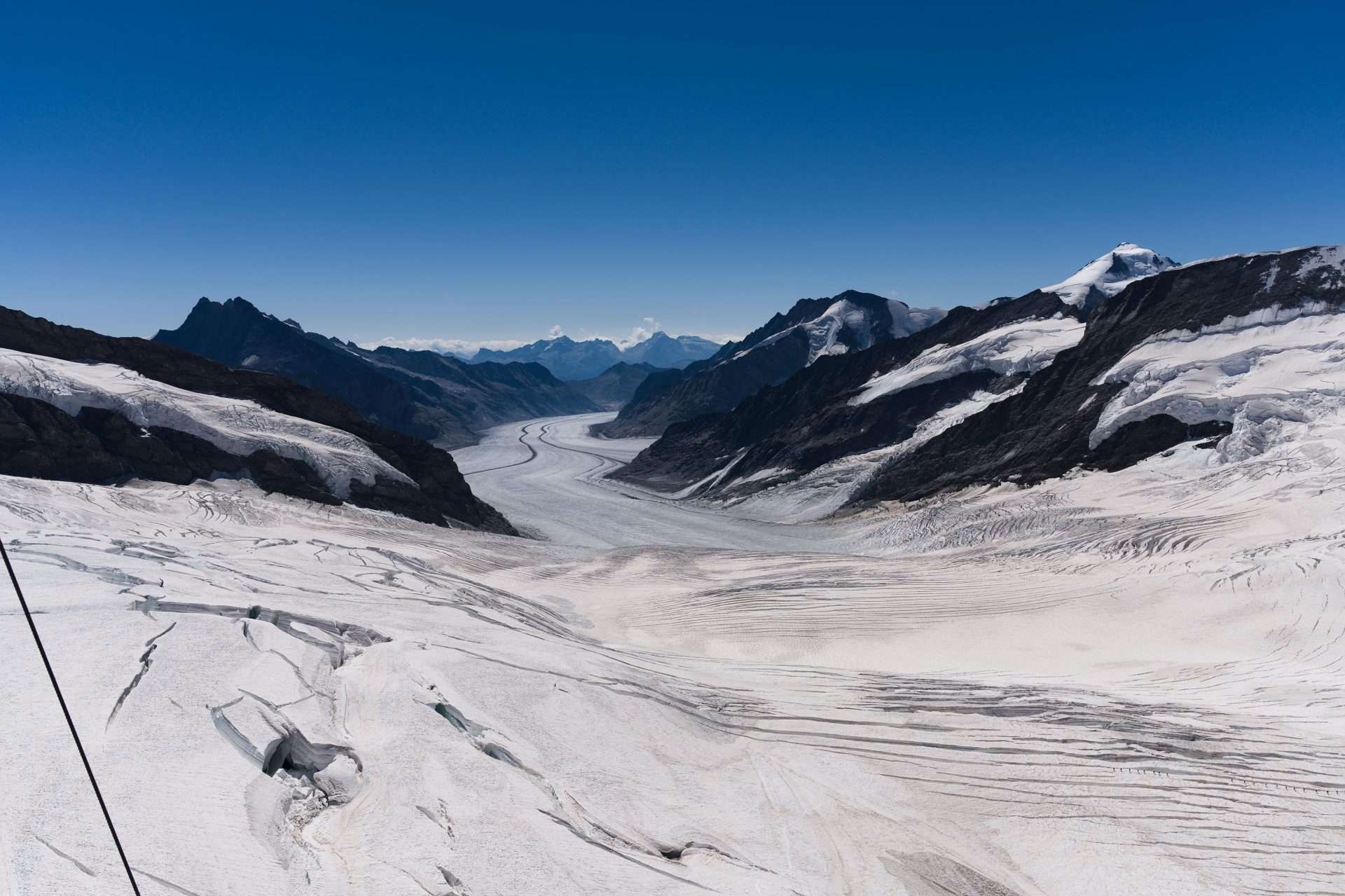
Caption Text Swiss Glaciers Have Lost Almost 20% of Their Ice Since 2021
A winter with very little snowfall followed by intense heatwaves from May to September left glaciers without their protective... - Latest News
Caption Text Rooftop Revolution in France: Why Big Buildings Are Going Green
France is making rooftops part of its response to climate change. Instead of treating roofs as unused building space, new... - Latest News
Caption Text Half of Europe Experienced Very Strong Heat Stress During Summer 2026
More than half of Europe experienced very strong heat stress at some point during summer 2026, as repeated heatwaves pushed temperatures... - Latest News
Caption Text Europe’s Climate Change Bill Is Growing
Climate change is already creating a growing financial burden across Europe. Between 1980 and 2024, weather and climate related... - Latest News
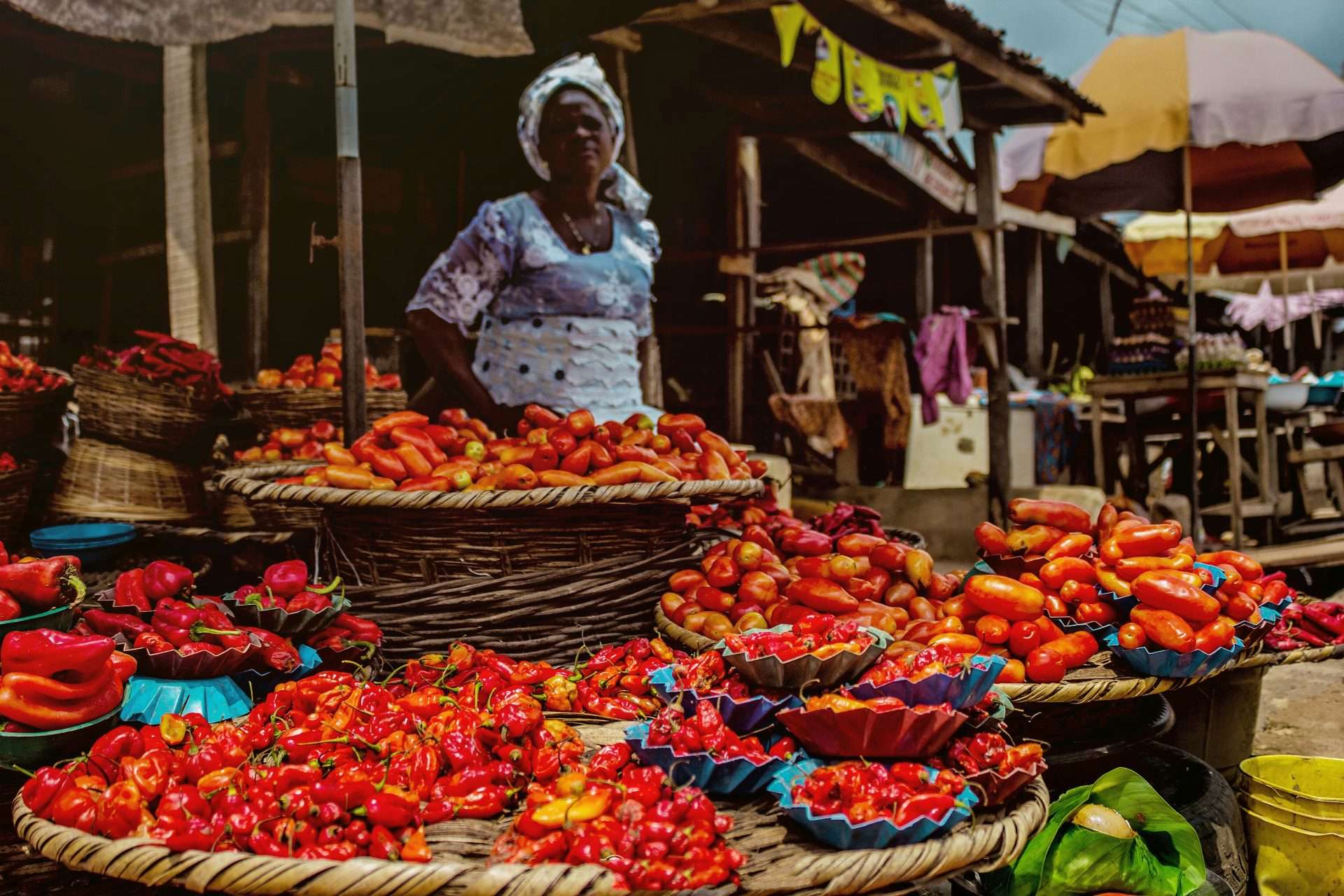
Caption Text By 2030, Most Families in Ethiopia, Malawi, and Nigeria Won’t Be Able to Afford a Healthy Meal
By 2030, more than 90% of people in Malawi and Nigeria, and 75% in Ethiopia, won’t be able to... - Latest News
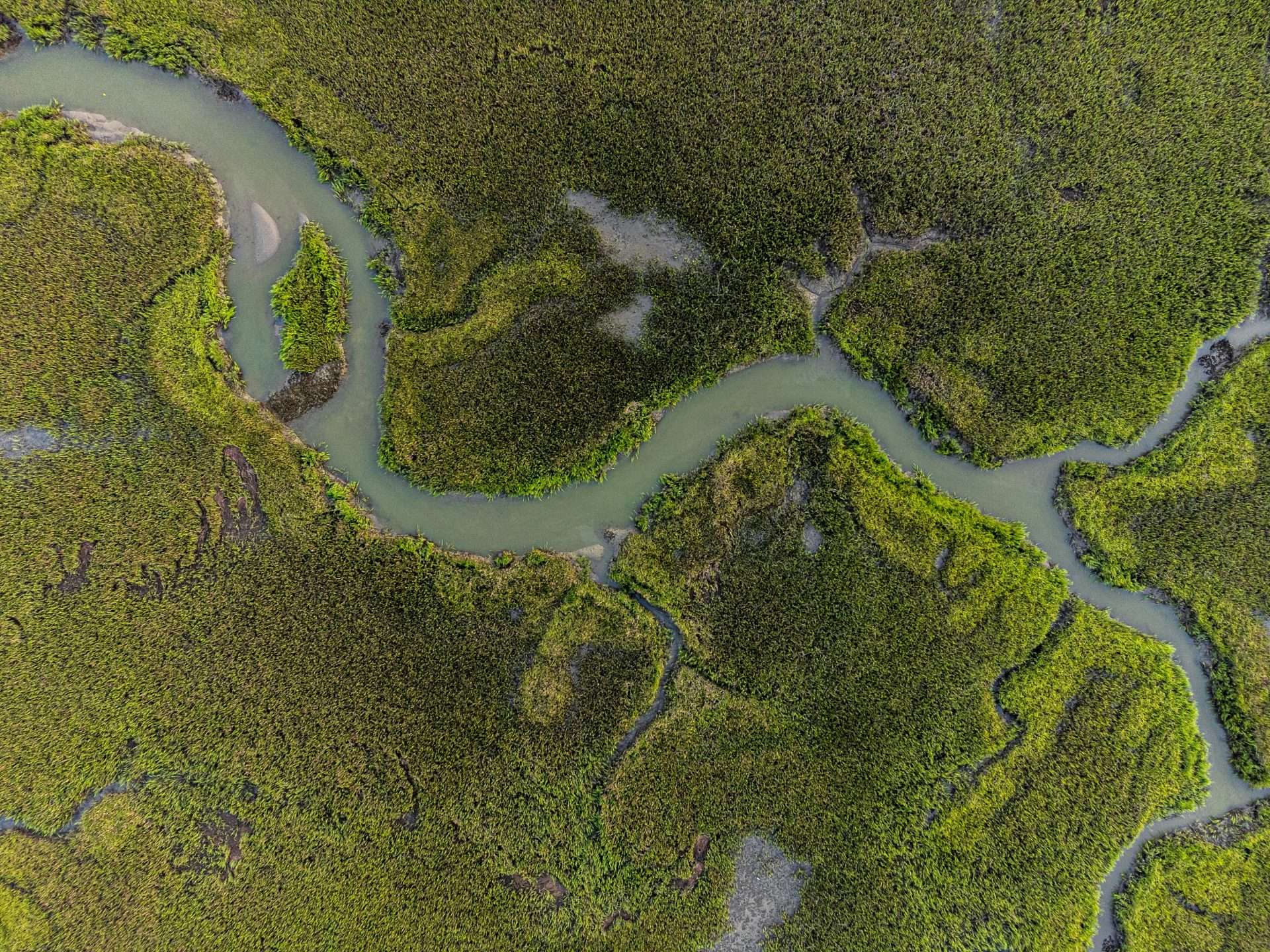
Caption Text Global Rivers Are Losing Oxygen as the Climate Warms
Rivers around the world are losing dissolved oxygen, an essential condition for healthy freshwater ecosystems. A 2026 study published in Science Advances analysed 21,439...



All Global Risks posts
