
March 27, 2025

Latest News
Bangladesh is one of the most climate-vulnerable countries in the world.
Its flat terrain and dense river networks—fed by Himalayan glaciers—make it highly exposed to sea level rise, extreme weather, and erratic temperatures.
In 2025, Bangladesh’s climate crisis intensified, with dangerous heatwaves triggering severe health risks and compounding existing vulnerabilities.
Below, we explore how increasing heat, glacier melt, and extreme weather are straining Bangladesh’s health systems, deepening inequalities, and threatening lives.
Extreme Weather Hits Indonesia
In March and April 2025, Bangladesh faced a new wave of heat-driven climate challenges. A heatwave is currently underway, with temperatures reaching 38°C across several districts.
Heatwaves in Bangladesh have become 45 times more likely due to human-caused climate change.
Prolonged exposure to high heat increases the risk of:
- Respiratory and cardiovascular diseases
- Dehydration and heatstroke
- Health complications for children, the elderly, and people with pre-existing conditions
A 2023 study in Bangladesh showed a 148% rise in heat-related deaths among people over 65 (2017–2021). In addition, Infants endured 12 extra heatwave days during summer 2021 due to just a 0.49°C temperature rise.
These figures show the scale of a growing health emergency.
Glacier melt and a growing water crisis
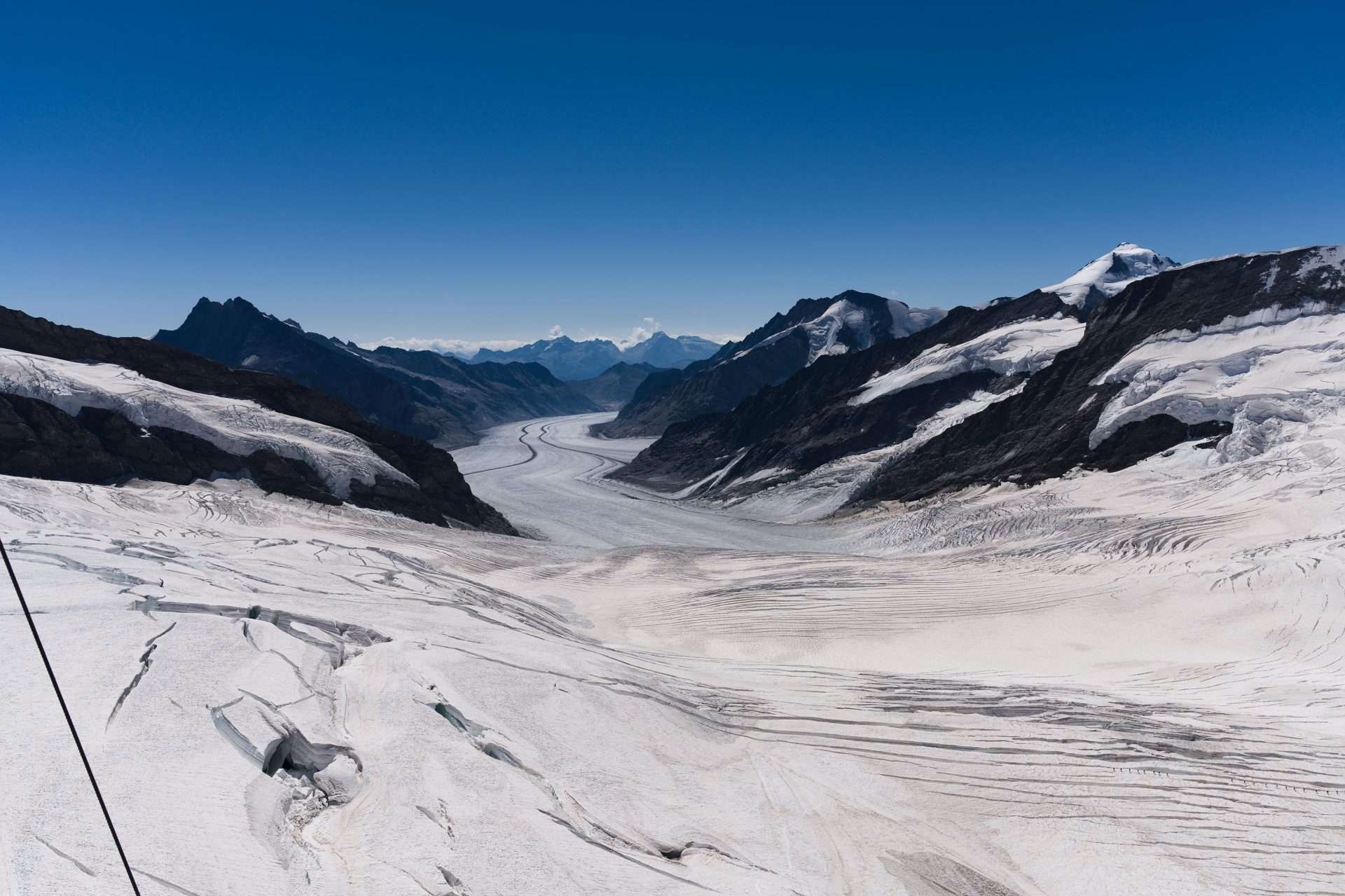
The rivers that sustain Bangladesh—like the Ganges, Brahmaputra, and Teesta—are fed by Himalayan glaciers. But as these glaciers melt faster due to climate change, the balance of water is breaking down:
During the monsoon, extra meltwater adds to heavy rains, making floods more extreme.
During the dry season, rivers shrink as less ice is available to melt.

Heatwaves reduce snow accumulation, accelerating melt and destabilising river flows.
This means more floods and droughts, worsening food and water insecurity, and compromised sanitation & disease control.
The glacier crisis is reshaping water access—and threatening lives downstream.
More floods, more mosquitos: a health crisis emerges
Heatwaves and extreme weather are pushing Bangladesh’s health systems to the brink.
- As climate conditions shift, diseases like dengue are expanding their reach and becoming year-round threats.
- Floods damage clinics and roads, delaying care.
- High air pollution intensifies respiratory and cardiovascular illnesses—especially dangerous during heatwaves.
In 2024, Bangladesh experienced its worst dengue fever outbreak in years with 400+ deaths and 78,000+ hospitalisations.
The intersection of climate change and public health is becoming more dangerous each year.
The youngest are paying the highest price
Bangladesh’s youngest generation is paying the steepest price for climate inaction.
- In 2024, millions of children missed school due to floods and extreme heat.
- Heatwaves strain physical and mental health, with long-term developmental impacts.
- Flood-related displacement exposed children to trauma, disease, and instability.
UNICEF estimates 7 million children were affected by flooding in 2024 alone. For many, heat now poses just as serious a threat.
This is climate injustice in real time: children and vulnerable communities bearing the brunt of a crisis they didn’t cause.
Click here to explore how climate change is impacting Bangladesh’s progress on the UN Sustainable Development Goals.
Iceberger Tool

Did you know that Icebergs are chunks of ice that break off from glaciers? Use this interactive tool to draw your own iceberg and watch how it floats.
While icebergs don’t reach Bangladesh, the glaciers that feed its rivers are melting fast. Explore the International Year of Glaciers’ Preservation to understand what’s at stake—and why urgent global action is needed.
But glaciers are only part of the picture—rapid warming in the Arctic means more erratic rainfall, extreme flooding, heatwaves, and catastrophic sea level rise in countries like Bangladesh.
What You Can Do?
Join the Fight Against World's Climate Crisis
SubscribeDiscover global climate challenges and the Polar connection
Spread the WordShare this page to raise awareness
Read More From the Global Risks Category
- Latest News
Caption Text Swiss Glaciers Have Lost Almost 20% of Their Ice Since 2021
A winter with very little snowfall followed by intense heatwaves from May to September left glaciers without their protective... - Latest News
Caption Text Rooftop Revolution in France: Why Big Buildings Are Going Green
France is making rooftops part of its response to climate change. Instead of treating roofs as unused building space, new... - Latest News
Caption Text Half of Europe Experienced Very Strong Heat Stress During Summer 2026
More than half of Europe experienced very strong heat stress at some point during summer 2026, as repeated heatwaves pushed temperatures... - Latest News
Caption Text Europe’s Climate Change Bill Is Growing
Climate change is already creating a growing financial burden across Europe. Between 1980 and 2024, weather and climate related... - Latest News
Caption Text By 2030, Most Families in Ethiopia, Malawi, and Nigeria Won’t Be Able to Afford a Healthy Meal
By 2030, more than 90% of people in Malawi and Nigeria, and 75% in Ethiopia, won’t be able to... - Latest News
Caption Text Global Rivers Are Losing Oxygen as the Climate Warms
Rivers around the world are losing dissolved oxygen, an essential condition for healthy freshwater ecosystems. A 2026 study published in Science Advances analysed 21,439...





All Global Risks posts
