March 7, 2023

Latest News
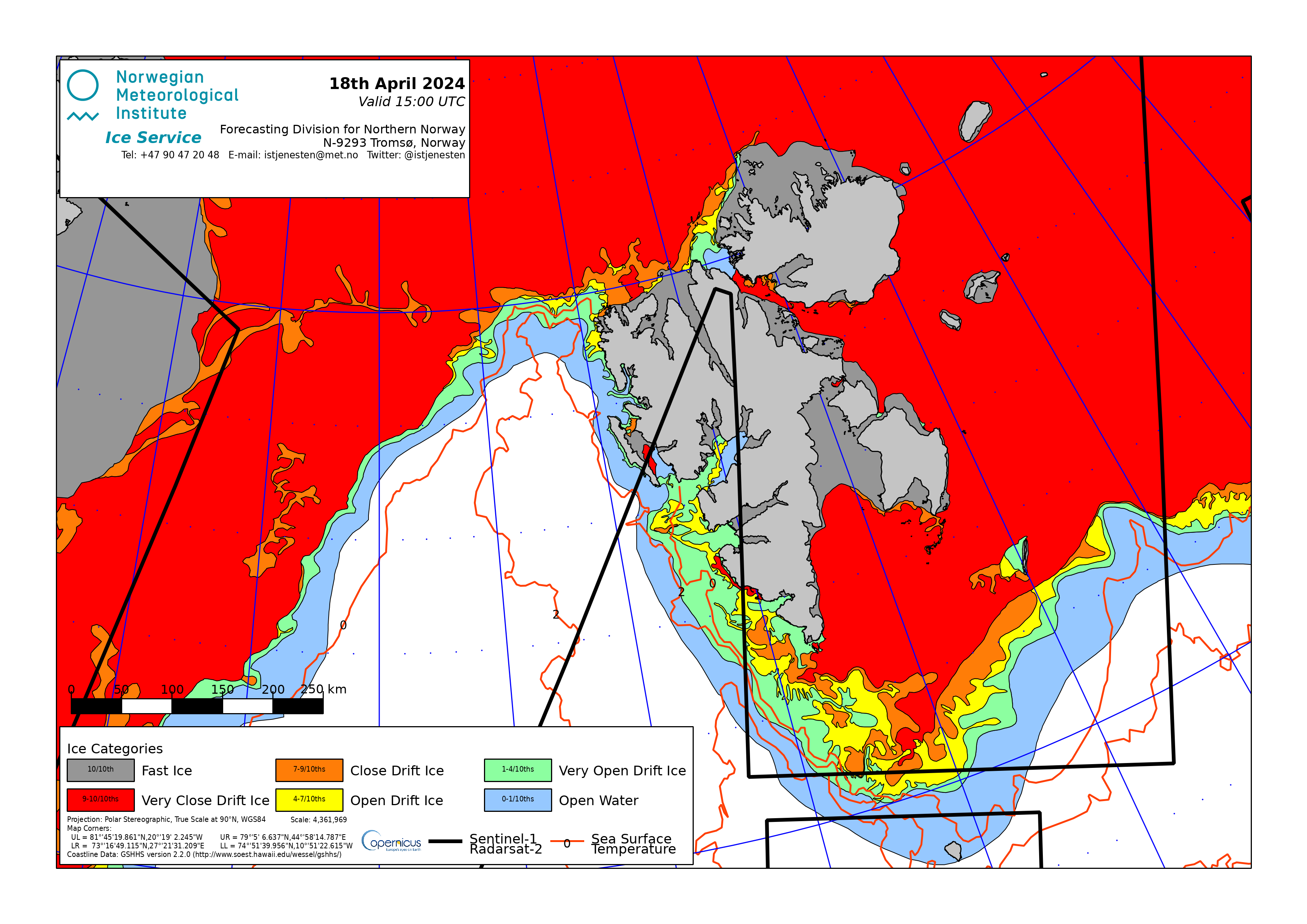
We’re rapidly approaching the sea ice maximum for the Arctic Ocean, and yet, it’s almost possible to kayak around Svalbard?
With the warming Arctic, we no longer have the degree of sea ice here. At the beginning of the month, sea ice around Svalbard is 270,192 sq km, or 117,691 sq km below the 1991-2020 average.
When the ice is thin and weak, wave action and winds further can prevent it from consolidating into the fast/pack ice that traditionally envelops the archipelago. According to Norwegian Meteorological Institute (sat data from Copernicus), the recent prevailing winds have been southerlies, but they are swinging around, which may help the drift ice strengthen–either way, at a time when Arctic ice should be at its strongest, it’s consequentially absent.
This is coming at the same time as the climate crisis is holding tight onto the other pole. Two weeks ago, Antarctica hit its lowest recorded sea ice extent.
Check out our page on global risks to get a good idea about how climate change in the polar regions spells disaster for the entire world: https://globalclimaterisks.org/global-risks/
Image source: Norwegian Meteorological Institute
Tags
What You Can Do?
Join the Fight Against World's Climate Crisis
SubscribeDiscover global climate challenges and the Polar connection
Spread the WordShare this page to raise awareness
Read More From the Polar Change Category
- Latest News
Caption Text Arctic Shipping Boom Shows the Unequal Costs of a Warming Arctic
Shipping through the Arctic is reaching record levels as declining sea ice makes the Northen Sea Route easier to navigate. Moreover, disruption... - Latest News
Caption Text Record-Low Polar Sea Ice Is a Warning Sign for the Whole Planet
Sea ice at both poles has reached unusually low levels in 2026, according to the National Snow and Ice... - Latest News
Caption Text Why Is It Almost 34°C Near the Arctic Circle?
Temperatures across northern Russia, near the Arctic Circle, have recently exceeded 32°C! Some locations have reached levels more commonly associated with summer heat in much... - Latest News
Caption Text Antarctica’s Missing Sea Ice
An area of Antarctic winter sea ice roughly the size of France – around 650,000 km² – failed to... - Latest News
Caption Text What’s Happening to Antarctic Sea Ice – and Why It Matters Where You Live
Antarctica lost an area of sea ice roughly the size of Greenland in 2023. Scientists now warn the continent... - Latest News
Caption Text The Ground Beneath North Canada is Collapsing. The Consequences Won’t Stay There.
On Herschel Island–Qikiqtaruk, thawing permafrost – the frozen ground that lies beneath much of Canada’s north – is causing the ground...


All Polar Change posts