
January 6, 2026

Latest News
Photo by Engin Akyurt: https://www.pexels.com/photo/a-patient-whose-blood-pressure-and-pulse-are-measured-in-the-hospital-20897581/
Climate change is a major and growing driver of cardiovascular disease in Europe. A new EEA briefing shows that worsening air pollution, rising temperatures and chemical exposures, amplified by climate change, are responsible for nearly one in five cardiovascular deaths in the EU. The briefing provides evidence to inform discussions on the EU Cardiovascular Health Plan, highlighting how climate and environmental policies are central to preventing heart disease.
Key developments and highlights
- Climate-related environmental exposures cause around 18 percent of cardiovascular deaths in the EU, contributing to almost 17 percent of the total disease burden.
- Air pollution intensified by heat, wildfires, and atmospheric stagnation linked to climate change accounts for around 8 percent of cardiovascular deaths.
- Extreme heat significantly increases cardiovascular hospital admissions, while cold exposure worsened by energy poverty remains responsible for nearly 7 percent of cardiovascular deaths.
- The impacts are unevenly distributed, with vulnerable populations and lower income regions experiencing higher exposure and reduced adaptive capacity.
Climate Change Context
Climate change harms cardiovascular health by intensifying multiple risk factors at the same time, including temperature extremes, air pollution, wildfire smoke, and extreme weather, which increases the risk of heart attacks, strokes, and heart failure. Heat and cold stress disrupt normal cardiovascular function through dehydration, inflammation, and blood clotting, while warming worsens air quality by increasing fine particles that damage blood vessels. Extreme events and long-term disruptions to healthcare, housing, and livelihoods further raise cardiovascular risk, especially for older adults, low-income communities, and people with existing heart disease.
Global implications
- Europe’s cardiovascular burden reflects a global climate and health challenge, with similar or greater risks emerging in regions with higher pollution and weaker health systems.
- Climate driven environmental stressors threaten to reverse gains in cardiovascular disease prevention, increasing health care costs and productivity losses worldwide.
- Strong EU action can help set global standards, linking climate mitigation, pollution reduction and non-communicable disease prevention.
Urgent response needed
- Put climate and environment at the core of cardiovascular prevention in the EU Cardiovascular Health Plan.
- Reduce climate-driven exposures by improving air quality and protecting people from heat extremes.
- Create healthier living environments through quieter greener cities.
Read more about extreme weather here.
Subscribe to our Climate Alert Bulletin for biweekly updates on how global climate risks impact you.
Tags
What You Can Do?
Join the Fight Against World's Climate Crisis
SubscribeDiscover global climate challenges and the Polar connection
Spread the WordShare this page to raise awareness
Read More From the Global Risks Category
- Latest News
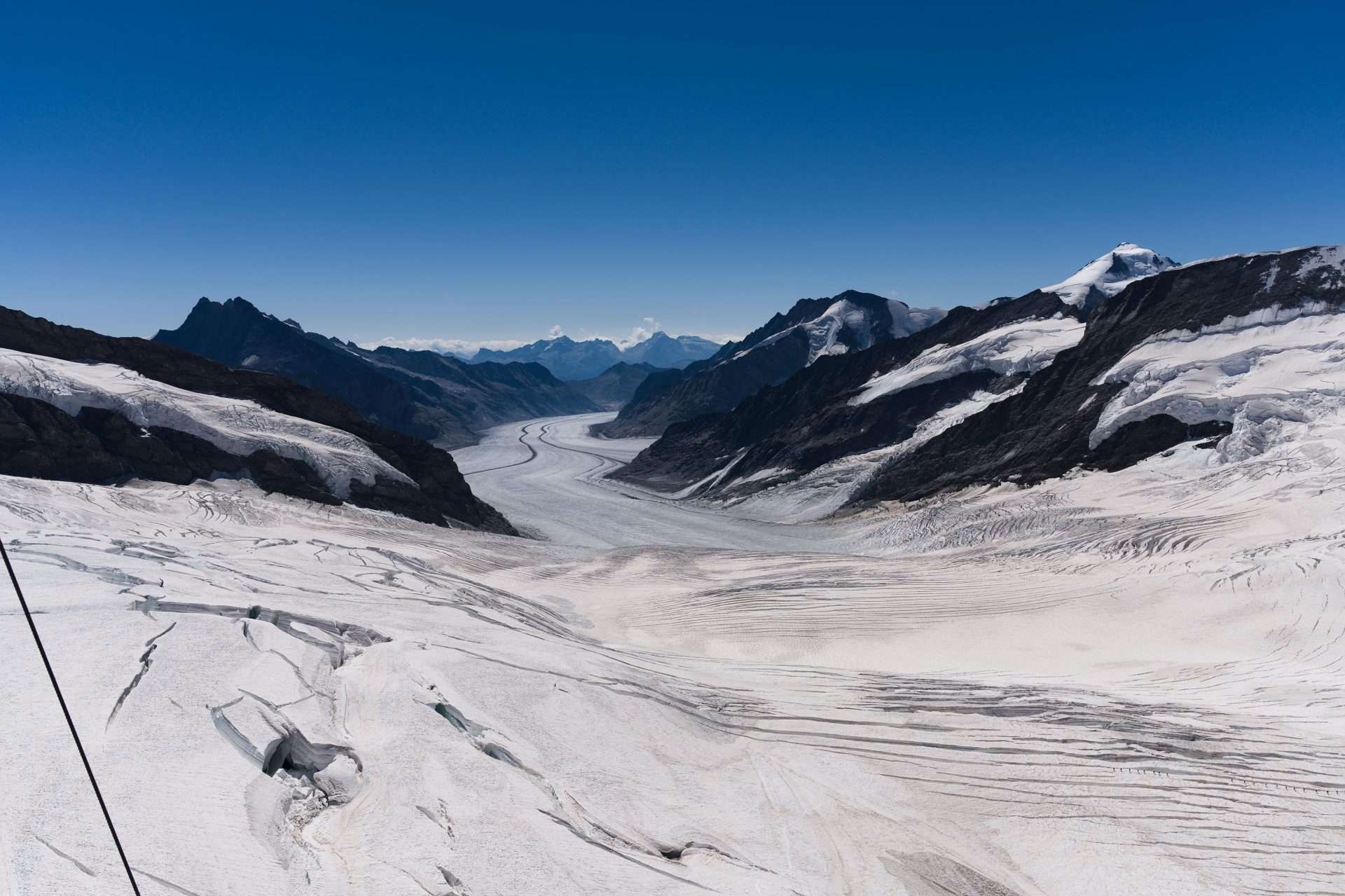
Caption Text Swiss Glaciers Have Lost Almost 20% of Their Ice Since 2021
A winter with very little snowfall followed by intense heatwaves from May to September left glaciers without their protective... - Latest News
Caption Text Rooftop Revolution in France: Why Big Buildings Are Going Green
France is making rooftops part of its response to climate change. Instead of treating roofs as unused building space, new... - Latest News
Caption Text Half of Europe Experienced Very Strong Heat Stress During Summer 2026
More than half of Europe experienced very strong heat stress at some point during summer 2026, as repeated heatwaves pushed temperatures... - Latest News
Caption Text Europe’s Climate Change Bill Is Growing
Climate change is already creating a growing financial burden across Europe. Between 1980 and 2024, weather and climate related... - Latest News
Caption Text By 2030, Most Families in Ethiopia, Malawi, and Nigeria Won’t Be Able to Afford a Healthy Meal
By 2030, more than 90% of people in Malawi and Nigeria, and 75% in Ethiopia, won’t be able to... - Latest News
Caption Text Global Rivers Are Losing Oxygen as the Climate Warms
Rivers around the world are losing dissolved oxygen, an essential condition for healthy freshwater ecosystems. A 2026 study published in Science Advances analysed 21,439...





All Global Risks posts
