
September 11, 2026
Caribbean Farmers Face Worsening Drought
5 min read

Latest News
Puerto Rico’s drought conditions on 25 August 2026, showing severe to extreme drought across much of the island, in the east and south. Credit: U.S. Drought Monitor, valid 25 August 2026.
2026 has been a rough year for farmers across the Caribbean. They are struggling with persistent dry conditions, shrinking water supplies and growing pressure on crops and livelihoods. Some parts of the region, like Puerto Rico, are under severe pressure due to widespread drought and communities facing water restrictions. The coming months could bring further pressure as the Caribbean how approaches its yearly dry season.
The problem is not only a lack of rain. Hotter conditions increase water demand and dry out soils and reservoirs faster, making periods of low rainfall harder for communities and farmers to manage. In short: rainfall decreases and periods of drought of farmers lands increase. Recent research also shows that human-caused warming has contributed to reduced rainfall in parts of the Caribbean, raising concerns that drought could become more difficult to manage as temperatures continue to rise.
What is Happening?
- Rainfall is expected to remain below normal: The Caribbean Institute for Meteorology and Hydrology forecasts below-normal rainfall across almost the entire region, with dry conditions potentially continuing into early 2027.
- Puerto Rico is experiencing severe drought: More than 60% of the island is under extreme or severe drought, according to the US Drought Monitor.

Why This Keeps Getting Worse

The Caribbean’s water situation is being shaped by high temperatures, changing rainfall patterns, and El Niño. El Niño, which is a complex weather pattern resulting from variations in ocean temperatures, strengthened rapidly between May and July 2026 and can contribute to drier conditions across parts of the Caribbean. At the same time, Arctic warming and declining sea ice may influence El Niño from afar. Research published in Nature Communications found that continued Arctic sea ice loss could increase the frequency of strong El Niño events by more than one-third, with Arctic sea ice loss accounting for an estimated 37–48% of the projected increase.
At the same time, human-caused warming is changing the conditions in which these natural climate patterns occur. Warmer air and land increase evaporation and water demand, meaning that when rainfall is limited, soils, vegetation and reservoirs can lose water more quickly. Together, higher temperatures, changing rainfall and potentially stronger or more frequent El Niño events could place additional pressure on Caribbean farmers, water supplies and communities.
What This Means for People and the Arctic’s Role
- Farmers: Water shortages can reduce crop yields, affect livestock and threaten farm incomes.
- Food supplies and prices: Agricultural losses can reduce local food production and increase pressure on food prices.
- Families: Water rationing can affect drinking water, sanitation, household activities and other everyday needs.
- Health and nutrition: Water insecurity can make it harder for families to maintain adequate hydration, hygiene and sanitation, while reduced agricultural production can increase the risk of food insecurity and malnutrition. Limited access to safe water can also increase the risk of waterborne and hygiene-related diseases (diarrhoeal diseases, cholera, dysentery, typhoid and hepatitis A).
- Local economies: Agriculture, tourism and businesses that depend on reliable water supplies can face financial losses.
- Wildfires: Persistent dryness increases the risk of fires affecting farms, forests and communities.
The Urgent Response Needed
What Needs to Change:
- Improve water storage: Expand and maintain reservoirs and other systems that can store water during wetter periods.
- Support drought-resilient farming: Help farmers access efficient irrigation, drought-tolerant crops and better seasonal information.
- Prepare before the dry season: Use forecasts from the Caribbean Institute for Meteorology and Hydrology (CIMH), including its CariCOF precipitation, temperature and drought outlooks, to plan water allocation and support communities before shortages become severe.
- Strengthen drought monitoring: Combine rainfall, temperature, soil moisture and reservoir data to identify emerging risks earlier.
- Invest in resilient water systems: Long-term investment is needed to ensure communities can maintain reliable water supplies as conditions become more difficult.
What YOU Can Do:
- Use water carefully during periods of drought and follow local water-use guidance.
- Support water-saving practices at home, in agriculture and in businesses. (rainwater harvesting, drip irrigation, fixing leaks, reusing greywater for gardens and using water-efficient appliances.)
- Stay informed about drought and wildfire warnings in your area.
Read more: Extreme weather events | Health risks | Climate Risks Daily
Original source: No relief in sight for Caribbean’s drought-hit farmers – Red Cross Red Crescent Climate Centre
What You Can Do?
Join the Fight Against World's Climate Crisis
SubscribeDiscover global climate challenges and the Polar connection
Spread the WordShare this page to raise awareness
Read More From the Global Risks Category
- Latest News
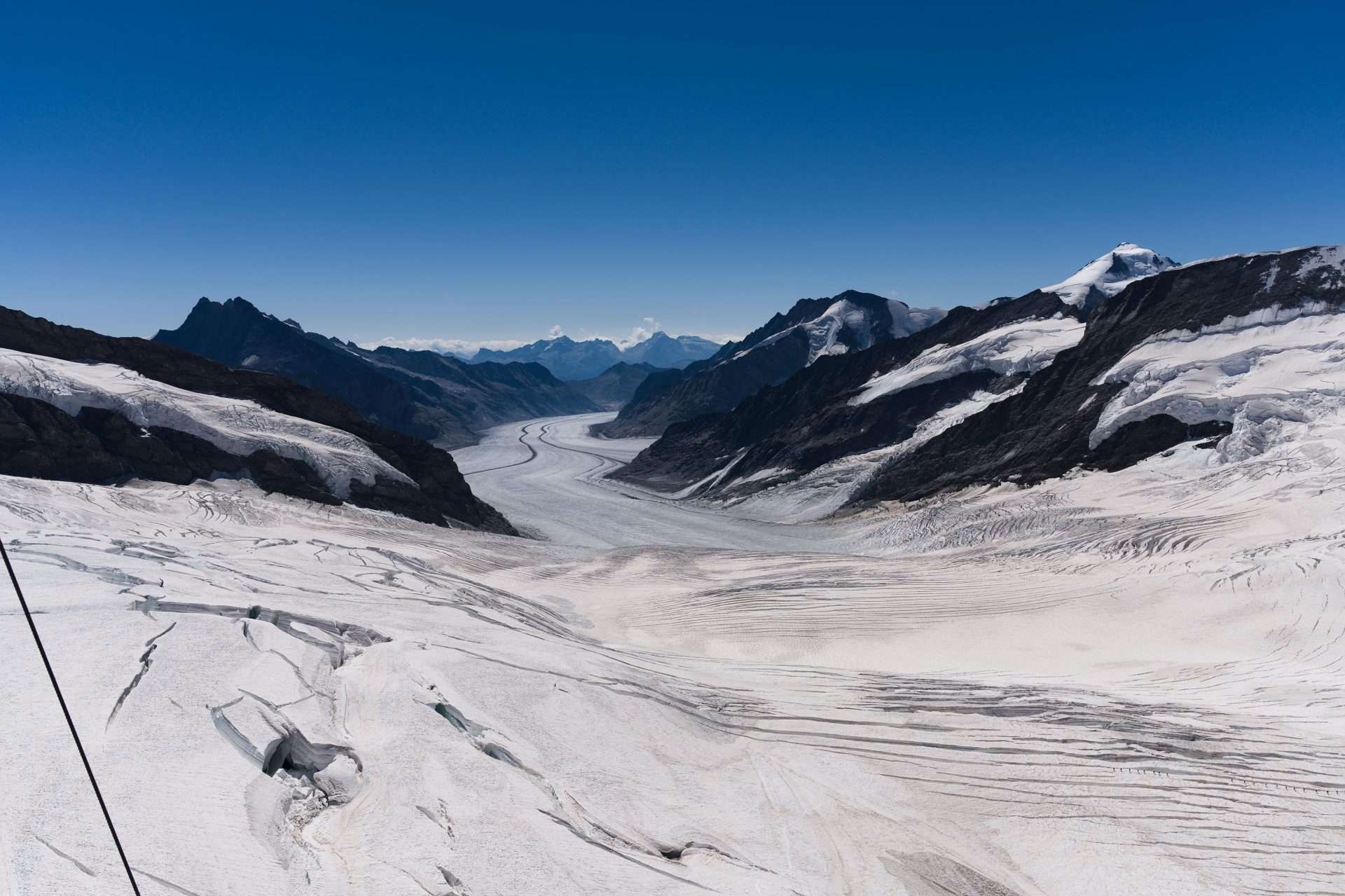
Caption Text Swiss Glaciers Have Lost Almost 20% of Their Ice Since 2021
A winter with very little snowfall followed by intense heatwaves from May to September left glaciers without their protective... - Latest News
Caption Text Rooftop Revolution in France: Why Big Buildings Are Going Green
France is making rooftops part of its response to climate change. Instead of treating roofs as unused building space, new... - Latest News
Caption Text Half of Europe Experienced Very Strong Heat Stress During Summer 2026
More than half of Europe experienced very strong heat stress at some point during summer 2026, as repeated heatwaves pushed temperatures... - Latest News
Caption Text Europe’s Climate Change Bill Is Growing
Climate change is already creating a growing financial burden across Europe. Between 1980 and 2024, weather and climate related... - Latest News
Caption Text By 2030, Most Families in Ethiopia, Malawi, and Nigeria Won’t Be Able to Afford a Healthy Meal
By 2030, more than 90% of people in Malawi and Nigeria, and 75% in Ethiopia, won’t be able to... - Latest News
Caption Text Global Rivers Are Losing Oxygen as the Climate Warms
Rivers around the world are losing dissolved oxygen, an essential condition for healthy freshwater ecosystems. A 2026 study published in Science Advances analysed 21,439...



All Global Risks posts
