
January 13, 2026

Latest News
Feature image: Life expectancy at birth losses associated with major El Niño events across Pacific Rim countries. The bars show the cumulative reduction in life expectancy (in years) following the 1982–1983 (blue) and 1997–1998 (red) El Niño events. Hatched bars indicate estimates based on extrapolated mortality data. Negative values represent larger life expectancy losses, highlighting substantial and uneven health impacts of El Niño across countries and events. Credit: (Xu et al. 2026).
New research shows that El Niño–Southern Oscillation (ENSO) events don’t just cause short-term disruptions; they persistently slow mortality improvements, reducing life expectancy and imposing trillions of dollars in economic losses, even in high-income countries. As climate change intensifies ENSO variability, the human cost is set to rise sharply this century.
Key Highlights:
Hidden life expectancy losses:
- 0.5 years lost during the 1982–83 El Niño
- 0.4 years lost during the 1997–98 El Niño
Economic toll:
- US$2.6 trillion (1982–83) and US$4.7 trillion (1997–98) in equivalent welfare losses
Long-lasting effects:
- Mortality impacts persist for over a decade after major El Niño events
Age-specific impacts:
- Largest health impacts on children and young adults
- Greatest economic burden borne by middle-aged populations
Future risk:
- Up to 2.8 years of cumulative life expectancy loss by 2100 under moderate emissions pathways
Warming oceans and rapid changes in the polar regions are affecting how the Earth’s climate system works. As the Arctic warms faster and sea ice melts, the temperature difference between the poles and the lower latitude regions becomes smaller. This weakens large air currents such as the jet stream and changes how weather patterns move around the globe. These changes influence climate connections between the polar regions and the tropics, including the El Niño Southern Oscillation (ENSO).
Research shows that when Arctic sea ice declines, it reduces the atmosphere’s ability to limit or slow ENSO activity (this limiting effect is called damping, meaning the natural processes that usually keep climate variations from becoming too strong). As a result, El Niño events can become stronger and last longer in a warming climate. Through these changes in global circulation, polar change can increase ENSO related extremes such as heatwaves, floods, air pollution, and health stresses in regions far from the poles, showing how closely connected the Earth’s climate systems are.
Global Implications
- Climate variability can undermine decades of public health progress
- Economic losses rival national healthcare budgets
- Health impacts extend beyond the event year, compounding over time
- High-income countries are not immune, suggesting even greater risks for climate-vulnerable regions
Urgent Responses Needed
- Integrate ENSO early-warning systems into public health planning
- Strengthen heat-health action plans and air quality protections
- Protect outdoor and informal workers through labour and social safety nets
- Invest in climate-resilient healthcare systems
Read more: Extreme weather events | Health risks | Climate Risks Daily
Original source:Enduring impacts of El Niño on life expectancy in past and future climates | Nature Climate Change
What You Can Do?
Join the Fight Against World's Climate Crisis
SubscribeDiscover global climate challenges and the Polar connection
Spread the WordShare this page to raise awareness
Read More From the Global Risks Category
- Latest News
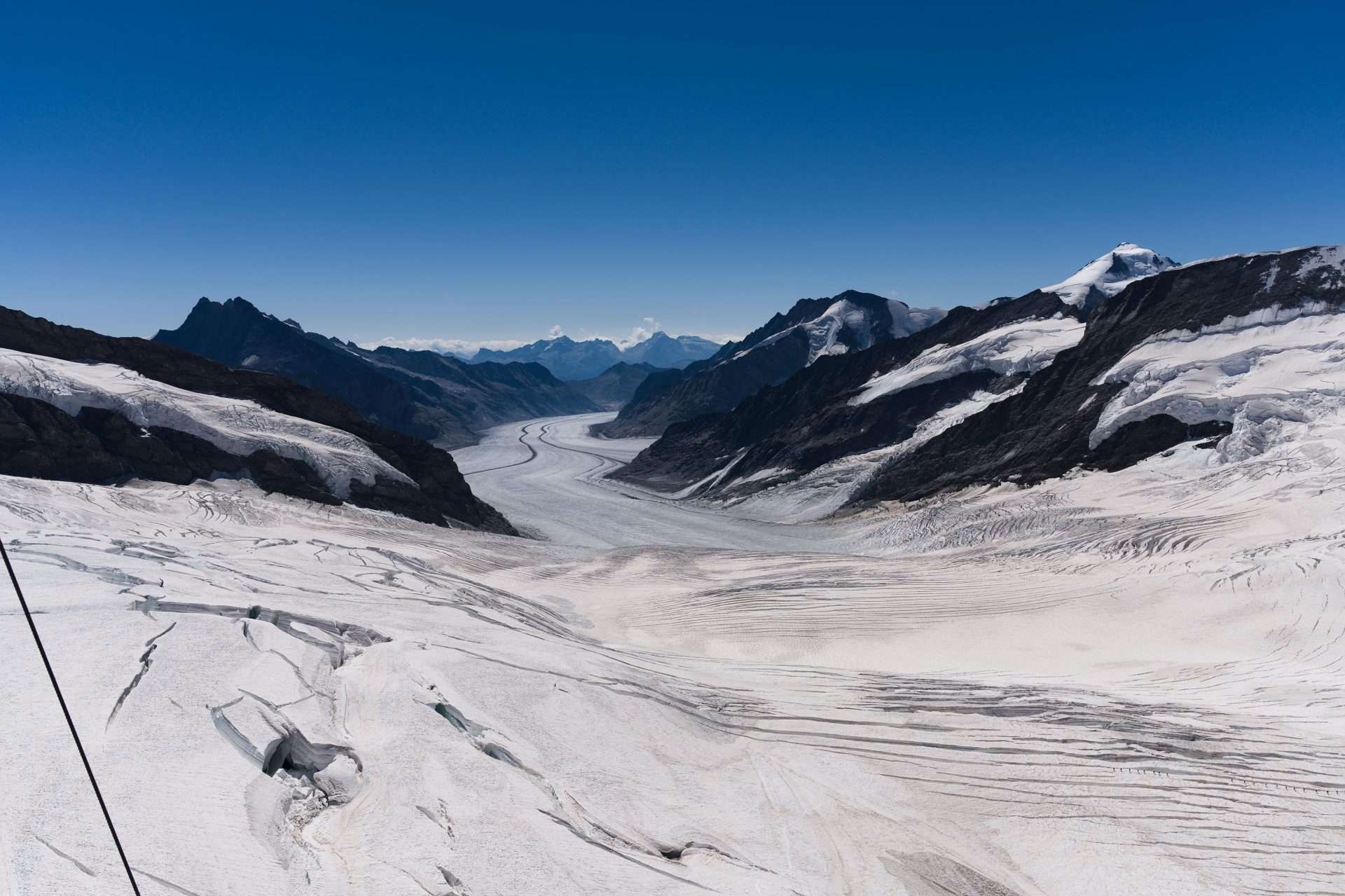
Caption Text Swiss Glaciers Have Lost Almost 20% of Their Ice Since 2021
A winter with very little snowfall followed by intense heatwaves from May to September left glaciers without their protective... - Latest News
Caption Text Rooftop Revolution in France: Why Big Buildings Are Going Green
France is making rooftops part of its response to climate change. Instead of treating roofs as unused building space, new... - Latest News
Caption Text Half of Europe Experienced Very Strong Heat Stress During Summer 2026
More than half of Europe experienced very strong heat stress at some point during summer 2026, as repeated heatwaves pushed temperatures... - Latest News
Caption Text Europe’s Climate Change Bill Is Growing
Climate change is already creating a growing financial burden across Europe. Between 1980 and 2024, weather and climate related... - Latest News
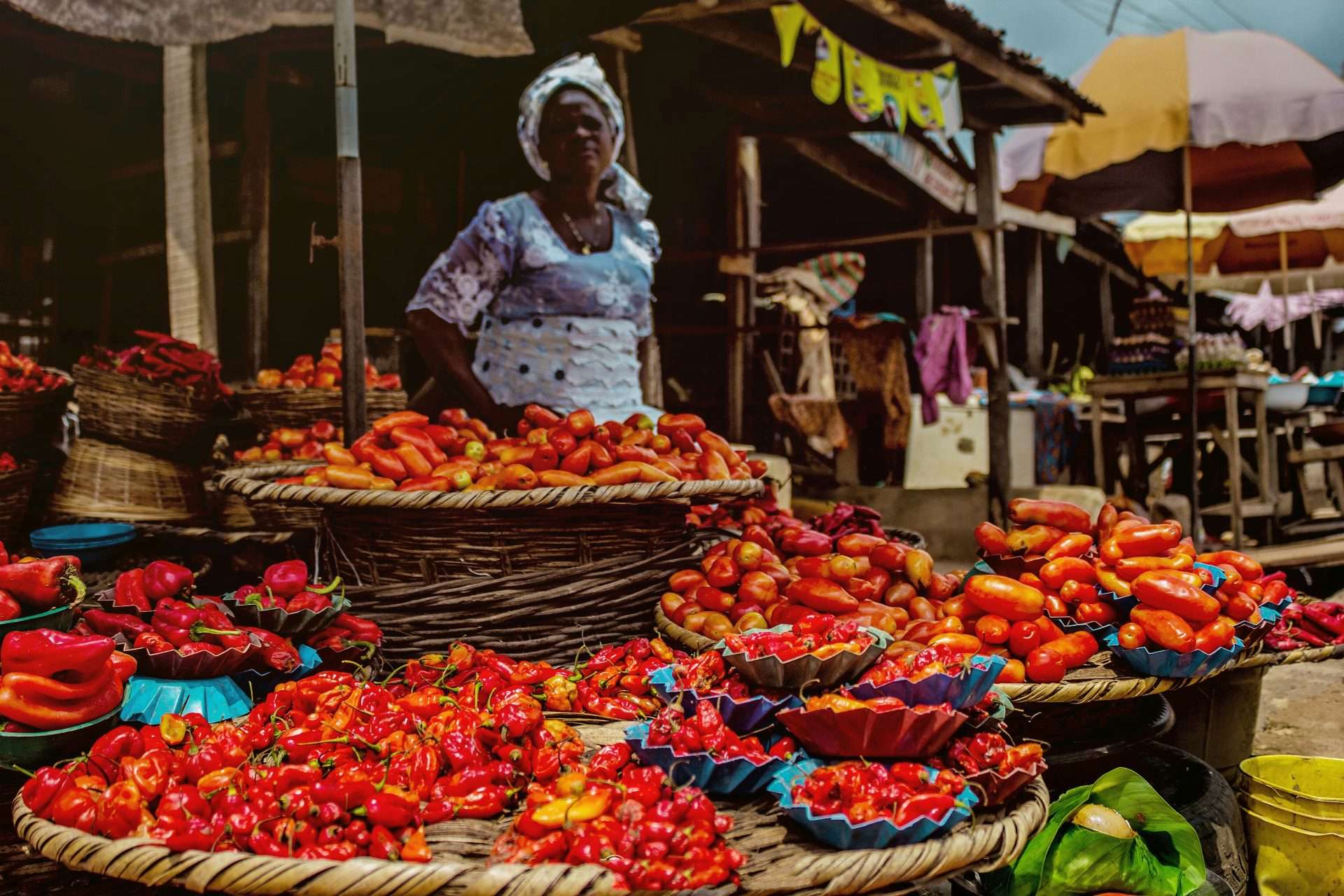
Caption Text By 2030, Most Families in Ethiopia, Malawi, and Nigeria Won’t Be Able to Afford a Healthy Meal
By 2030, more than 90% of people in Malawi and Nigeria, and 75% in Ethiopia, won’t be able to... - Latest News
Caption Text Global Rivers Are Losing Oxygen as the Climate Warms
Rivers around the world are losing dissolved oxygen, an essential condition for healthy freshwater ecosystems. A 2026 study published in Science Advances analysed 21,439...




All Global Risks posts
