
March 27, 2025
Latest News
Despite contributing little to global emissions, Ethiopia faces some of the world’s most severe climate impacts. Some stark realities:
- In 2024, Ethiopia faced severe climate impacts, including landslides that killed hundreds and forced thousands to flee their homes.
- Despite contributing just 0.53% of global emissions, Ethiopia is one of the top 10 most vulnerable nations to climate disasters. This is climate injustice.
- Rising temperatures and Arctic change are increasing rainfall, causing floods, soil instability, and threats to agriculture, infrastructure, and food security to Ethiopia and other African countries.
Climate Risks Daily
Stay updated with real-time information on climate events, extreme weather, and health risks impacting Ethiopia and surrounding regions with Climate Risks Daily.
As Arctic temperatures rise, extreme weather events are becoming more frequent and severe. With all five African subregions projected to cross the 1.5 °C threshold by 2040, the need for timely, accurate updates has never been greater.
Climate Risks Daily is a powerful tool to stay informed and prepared.
Filter by region and country for tailored stories.
Ethiopia in Crisis: Extreme Weather is Claiming Lives
Ethiopia is grappling with escalating climate challenges, including deadly landslides and severe flooding.
- In July 2024, heavy rains in the Gofa zone triggered landslides, killing 257 people and displacing over 15,000, making it the deadliest landslide in Ethiopia’s history.
- In August 2024, another landslide in Wolayita claimed 13 lives and displaced more than 300 residents.

Read more about climate change and extreme weather here.
Ethiopia’s Climate Health Emergency
The climate crisis is worsening health outcomes in Ethiopia. Rising temperatures, floods, and changing rainfall patterns create conditions for diseases spread by insects such as mosquitoes like scabies and malaria while increasing the risk of malnutrition and heat stress.
Extreme weather events like floods and droughts disrupt water systems, making clean water scarce and are intensifying a cholera epidemic spreading across Ethiopia and Africa. Strengthening health systems and improving access to clean water are critical to protect public health.
Read more about the impacts of climate change on health here.
The Socioeconomic Toll of the Climate Crisis on Ethiopia
Climate change is harming Ethiopia’s fragile economy, with extreme weather events like floods and landslides causing major damage to infrastructure, agriculture, and livelihoods. The destruction of roads, homes, and crops hurts local economies and feeds poverty in already vulnerable regions.
The increasing number of climate shocks is worsening drought and food shortages while Ethiopian residents are experiencing conflict. Over 20 million people are severely food insecure, including 11 million in drought-affected areas.
To protect Ethiopia’s socioeconomic stability, there is a critical need to invest in resilient infrastructure, sustainable farming practices, and effective disaster response strategies.
Learn more about the climate crisis and socioeconomic risks here.
Ethiopia’s SDGs on Thin Ice: Arctic Warming’s Impact
While Arctic change isn’t the sole cause of Ethiopia’s climate challenges, it plays a significant role and must be addressed.
The Arctic is warming on average four times faster than the rest of the world, disrupting global weather patterns. If the Arctic loses its sea ice and snow cover, global warming could accelerate by 25-40%, intensifying risks globally, including in Ethiopia. Read more about how Ethiopia’s progress on the UN Sustainable Development Goals has been impacted by climate change and arctic warming here.
Reducing global emissions, making policy changes, and supporting climate finance initiatives are necessary for lessening long-term impacts. With coordinated action, Ethiopia can navigate this crisis and build a climate-resilient future.

What You Can Do?
Join the Fight Against World's Climate Crisis
SubscribeDiscover global climate challenges and the Polar connection
Spread the WordShare this page to raise awareness
Read More From the Global Risks Category
- Latest News
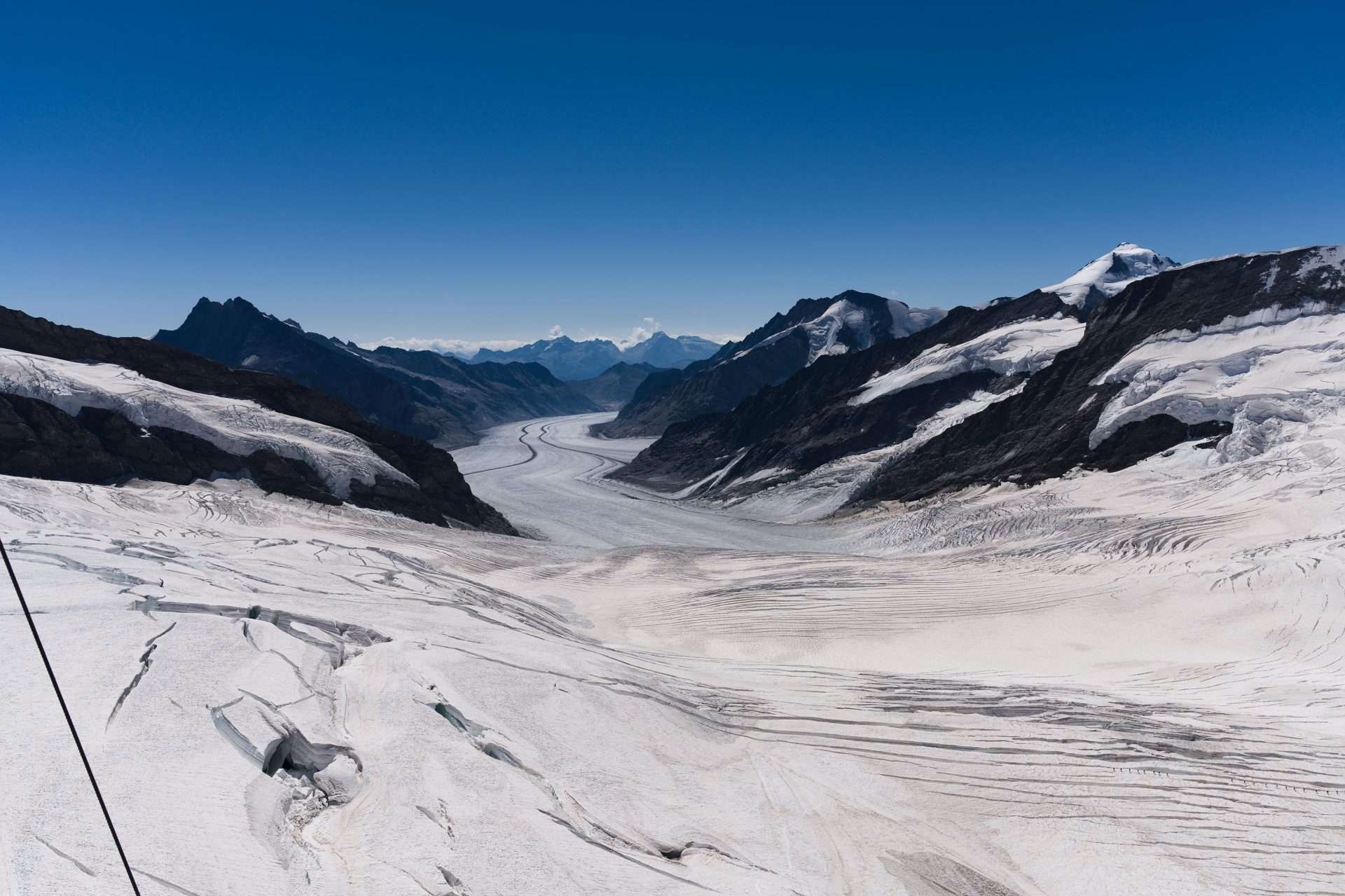
Caption Text Swiss Glaciers Have Lost Almost 20% of Their Ice Since 2021
A winter with very little snowfall followed by intense heatwaves from May to September left glaciers without their protective... - Latest News
Caption Text Rooftop Revolution in France: Why Big Buildings Are Going Green
France is making rooftops part of its response to climate change. Instead of treating roofs as unused building space, new... - Latest News
Caption Text Half of Europe Experienced Very Strong Heat Stress During Summer 2026
More than half of Europe experienced very strong heat stress at some point during summer 2026, as repeated heatwaves pushed temperatures... - Latest News
Caption Text Europe’s Climate Change Bill Is Growing
Climate change is already creating a growing financial burden across Europe. Between 1980 and 2024, weather and climate related... - Latest News
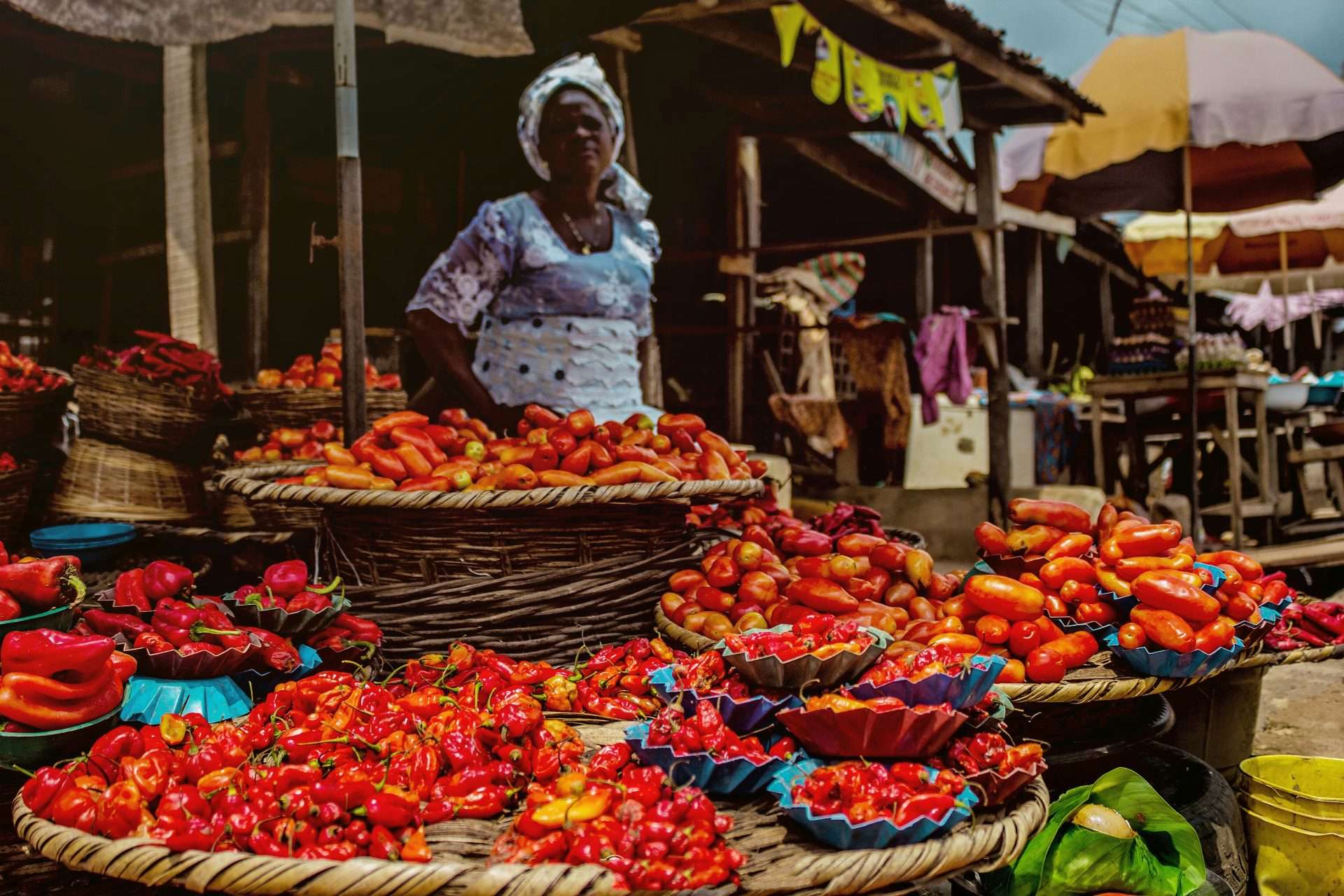
Caption Text By 2030, Most Families in Ethiopia, Malawi, and Nigeria Won’t Be Able to Afford a Healthy Meal
By 2030, more than 90% of people in Malawi and Nigeria, and 75% in Ethiopia, won’t be able to... - Latest News
Caption Text Global Rivers Are Losing Oxygen as the Climate Warms
Rivers around the world are losing dissolved oxygen, an essential condition for healthy freshwater ecosystems. A 2026 study published in Science Advances analysed 21,439...




All Global Risks posts
