
November 3, 2022
Temperatures in Europe have increased at more than twice the global average
2 min read

Latest News
Temperatures in Europe have increased at more than twice the global average over the past 30 years – the highest of any continent in the world. This rapid warming contributes to exceptional heat, wildfires, floods and other climate change impacts that affect society, economies and ecosystems, according to a new report from the World Meteorological Organization (WMO).
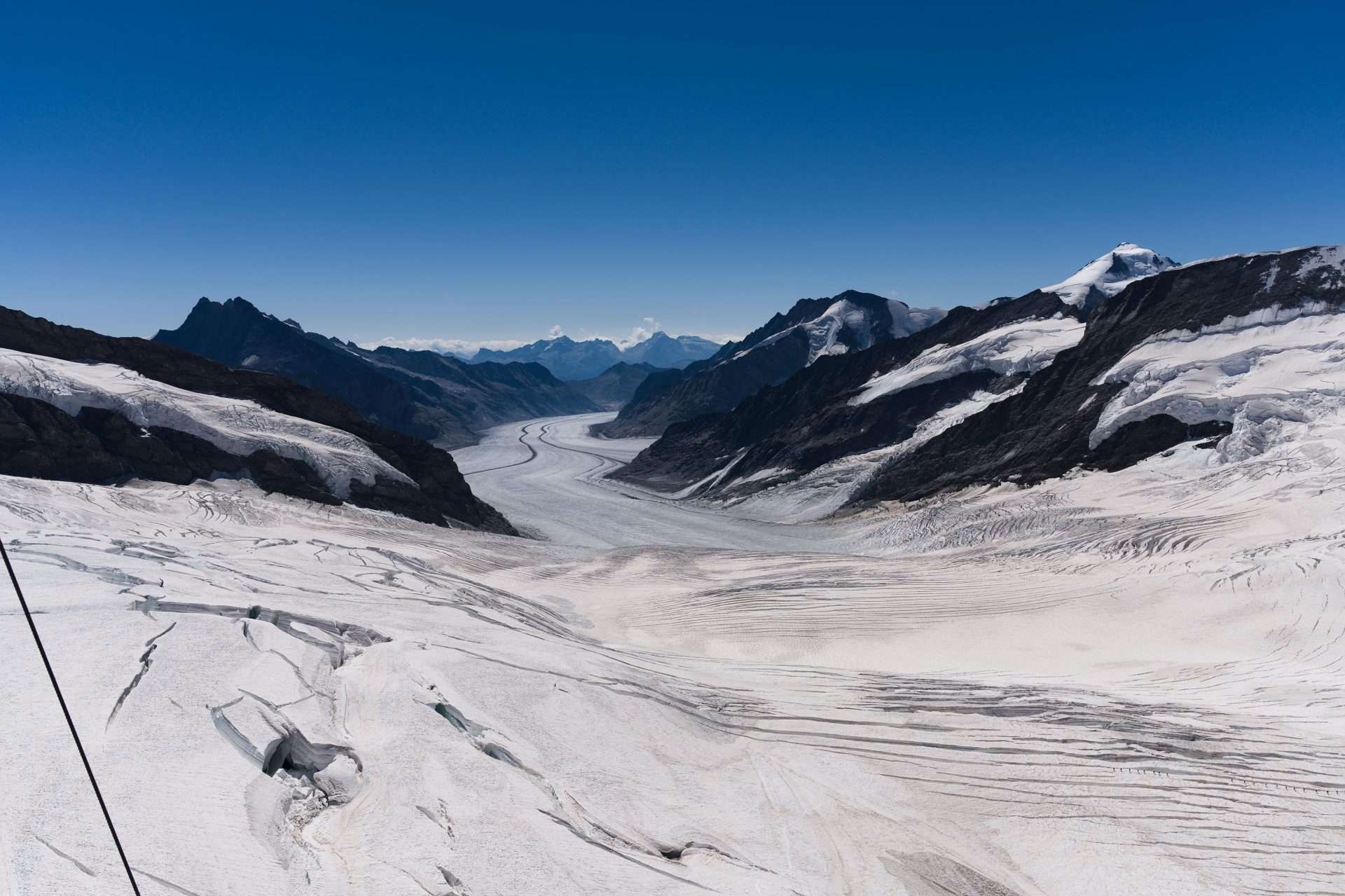
The State of the Climate in Europe report states, “Temperatures over Europe have warmed significantly over the 1991-2021 period, at an average rate of about +0.5 °C per decade. As a result, Alpine glaciers lost 30 meters in ice thickness from 1997 to 2021. The Greenland ice sheet is melting and contributing to accelerating sea level rise. In summer 2021, Greenland saw a melt event and the first-ever recorded rainfall at its highest point, Summit station.”

The report continues “In 2021, high impact weather and climate events led to hundreds of fatalities, directly affected more than half a million people and caused economic damages exceeding US$ 50 billion. About 84% of the events were floods or storms.”
Whilst the EU has cut greenhouse gas emissions by 31% between 1990 and 2020 this does not protect them from the affects of climate change. Specifically rapid Arctic warming amplifies global risks around the planet.
Climate vulnerability discussions often focus on unpreparedness and nations who struggle to fund adaptation and mitigation measures, but this report highlights that even the most prepared regions cannot escape the effects of a rapidly warming planet:
“Europe is also one of the most advanced regions in cross-border cooperation in climate change adaptation, in particular across transnational river basins. It is one of the world leaders in providing effective early warning systems, with about 75% of people protected. Heat-health action plans have saved many lives from extreme heat.
Read more about the global risks from rapid Arctic warming HERE.
Tags
What You Can Do?
Join the Fight Against World's Climate Crisis
SubscribeDiscover global climate challenges and the Polar connection
Spread the WordShare this page to raise awareness
Read More From the Global Risks Category
- Latest News
Caption Text Swiss Glaciers Have Lost Almost 20% of Their Ice Since 2021
A winter with very little snowfall followed by intense heatwaves from May to September left glaciers without their protective... - Latest News
Caption Text Rooftop Revolution in France: Why Big Buildings Are Going Green
France is making rooftops part of its response to climate change. Instead of treating roofs as unused building space, new... - Latest News
Caption Text Half of Europe Experienced Very Strong Heat Stress During Summer 2026
More than half of Europe experienced very strong heat stress at some point during summer 2026, as repeated heatwaves pushed temperatures... - Latest News
Caption Text Europe’s Climate Change Bill Is Growing
Climate change is already creating a growing financial burden across Europe. Between 1980 and 2024, weather and climate related... - Latest News
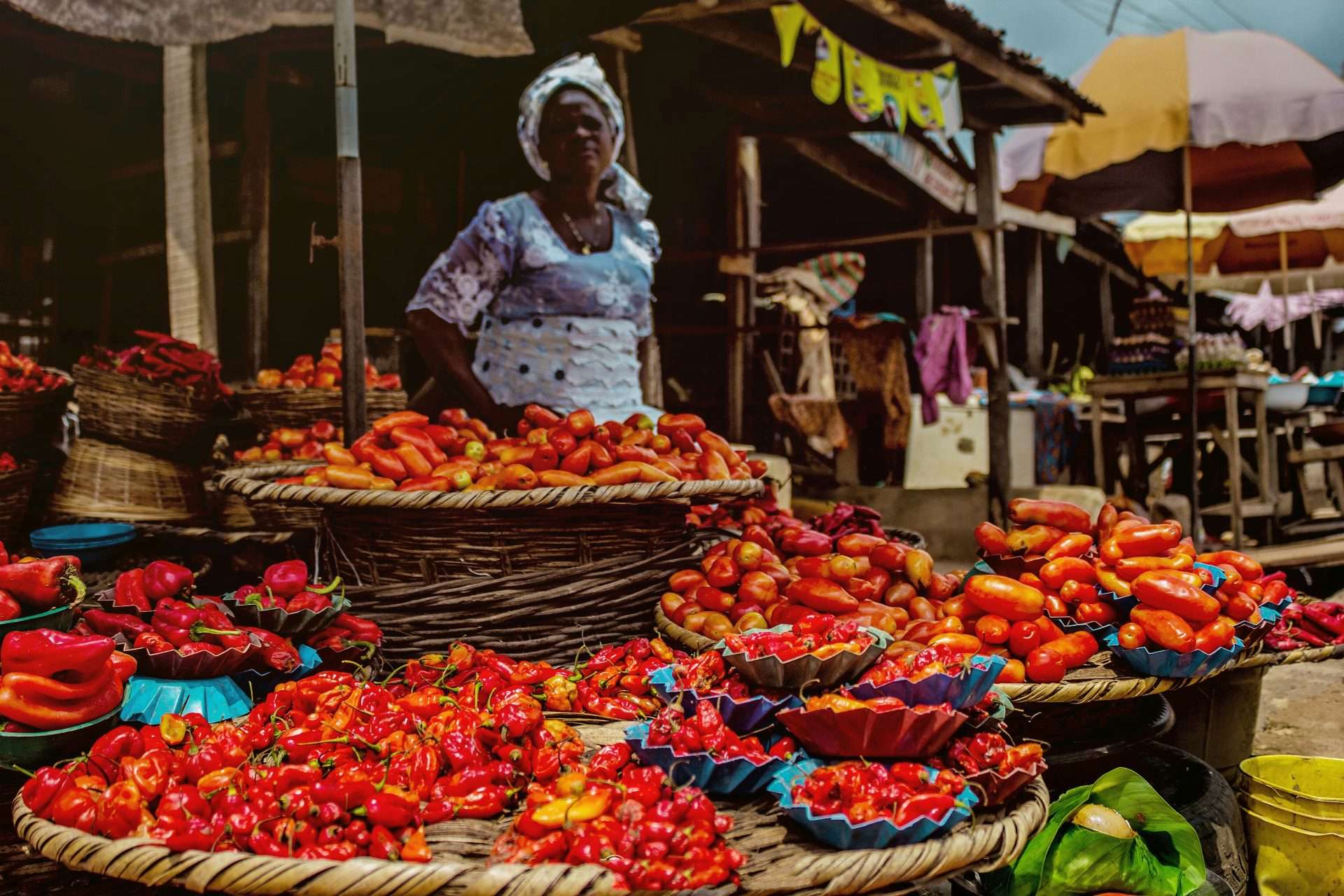
Caption Text By 2030, Most Families in Ethiopia, Malawi, and Nigeria Won’t Be Able to Afford a Healthy Meal
By 2030, more than 90% of people in Malawi and Nigeria, and 75% in Ethiopia, won’t be able to... - Latest News
Caption Text Global Rivers Are Losing Oxygen as the Climate Warms
Rivers around the world are losing dissolved oxygen, an essential condition for healthy freshwater ecosystems. A 2026 study published in Science Advances analysed 21,439...




All Global Risks posts
