
August 5, 2025

Latest News
Europe faced an early and extreme heatwave in June‑July 2025, with temperatures soaring well above 40 °C, triggering widespread wildfires and chaos across the Mediterranean region.
Heatwave’s Toll:
- Approximately 2,300 heat‑related deaths occurred in 12 major cities across Western Europe within a brief 10‑day period. Scientists attribute nearly 1,500 of those deaths directly to climate change intensifying the heatwave.
- Countries including Spain, France, Italy, Greece, Germany, Portugal, and Turkey issued public health warnings, closed schools, halted outdoor work, and even shut down nuclear reactors over overheating rivers.
Wildfires in the East Mediterranean:
As of late July 2025, wildfires across the European Union have burned approximately 292,855 hectares, more than double the area affected during the same period last year. Over 1,300 fires have been recorded, releasing around 9.66 million tonnes of CO₂, a significant increase from 2024. The most severely impacted regions include Mediterranean countries such as Spain, Portugal, Greece, Turkey, Cyprus, Bulgaria, and southern France, where extreme heat, strong winds, and predominantly human-driven ignition have fueled the fires.
- In Turkey, over 269 fires, resulted in at least 10 firefighter deaths and fleeing of more than 3500 people around the Bursa region. Multiple villages have suffered severe damage, with many homes completely destroyed by fire.
- Greece is battling dozens of wildfires amid extreme heat over 45°C, with 11 regions on high alert and 139 people, including tourists, rescued after being trapped as flames swept through areas like Kythera, Messinia, and Crete.
Health and Policy impact:
- Hospitals and emergency services across the region have been overwhelmed by heat-related illnesses, smoke inhalation, and trauma among firefighting personnel
- The intense wildfires strained infrastructure, firefighting resources, and disrupted tourism.
The Polar link:
Melting Arctic ice is weakening the jet stream, the high-altitude air current that helps regulate weather across the Northern Hemisphere. This disruption causes heat domes to persist longer over Europe, locking in dangerous high temperatures and setting the stage for prolonged droughts and fires.
What can you do?
- Demand urgent climate action from national leaders asking to prioritize early warning systems, heat-resilient cities, and forest fire preparedness.
- Advocate for heat action plans, green spaces, and cooling shelters in your city.
- Advocate for fossil fuel phase-out and renewable energy transitions.
- Use energy-efficient cooling, choose sustainable transport, and cut emissions through daily choices.
Read more about extreme weather here.
Subscribe to our Climate Alert Bulletin for biweekly updates on how global climate risks impact you.
What You Can Do?
Join the Fight Against World's Climate Crisis
SubscribeDiscover global climate challenges and the Polar connection
Spread the WordShare this page to raise awareness
Read More From the Global Risks Category
- Latest News
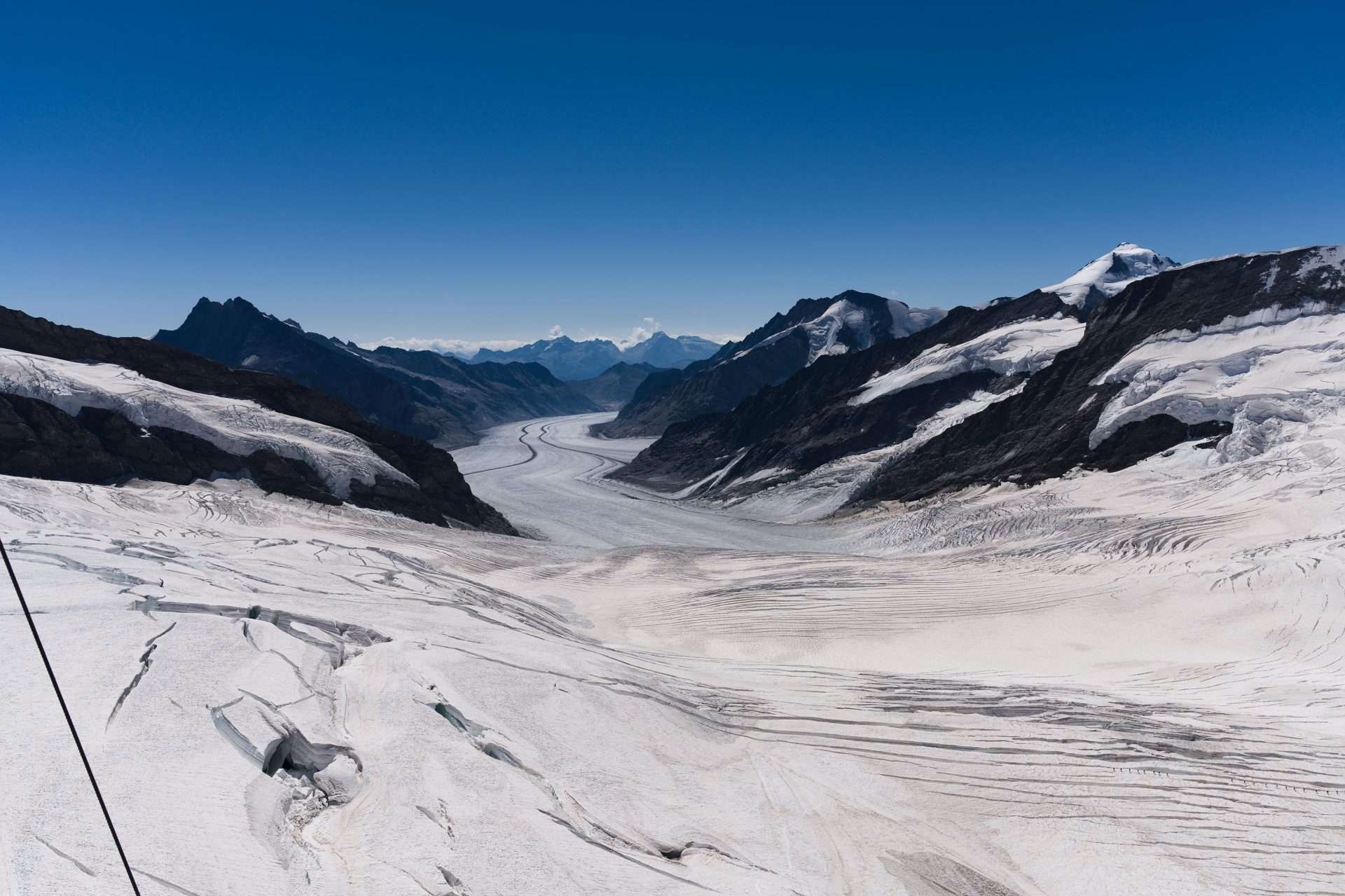
Caption Text Swiss Glaciers Have Lost Almost 20% of Their Ice Since 2021
A winter with very little snowfall followed by intense heatwaves from May to September left glaciers without their protective... - Latest News
Caption Text Rooftop Revolution in France: Why Big Buildings Are Going Green
France is making rooftops part of its response to climate change. Instead of treating roofs as unused building space, new... - Latest News
Caption Text Half of Europe Experienced Very Strong Heat Stress During Summer 2026
More than half of Europe experienced very strong heat stress at some point during summer 2026, as repeated heatwaves pushed temperatures... - Latest News
Caption Text Europe’s Climate Change Bill Is Growing
Climate change is already creating a growing financial burden across Europe. Between 1980 and 2024, weather and climate related... - Latest News
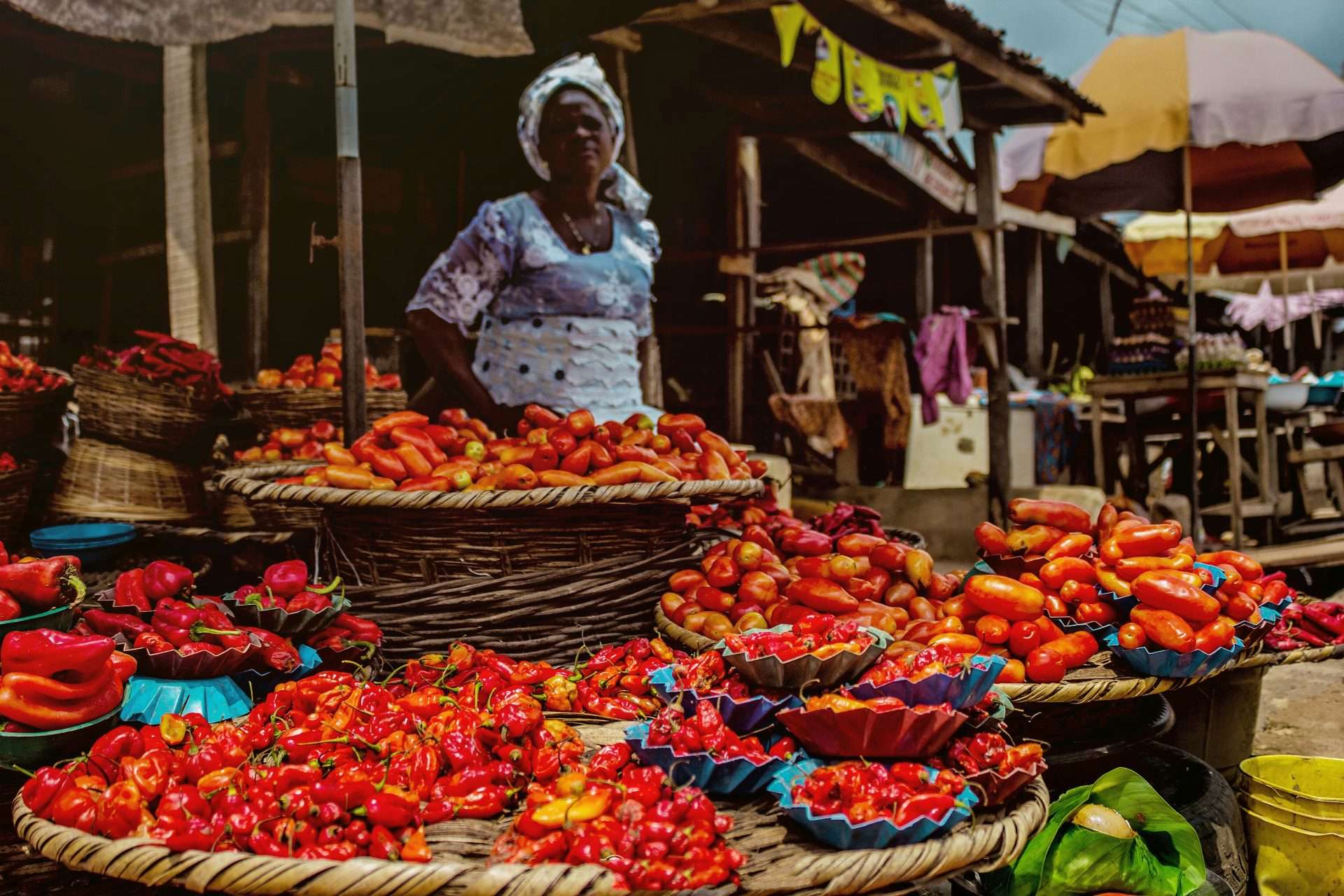
Caption Text By 2030, Most Families in Ethiopia, Malawi, and Nigeria Won’t Be Able to Afford a Healthy Meal
By 2030, more than 90% of people in Malawi and Nigeria, and 75% in Ethiopia, won’t be able to... - Latest News
Caption Text Global Rivers Are Losing Oxygen as the Climate Warms
Rivers around the world are losing dissolved oxygen, an essential condition for healthy freshwater ecosystems. A 2026 study published in Science Advances analysed 21,439...




All Global Risks posts
