
December 11, 2025

Latest News
Europe is paying a steep price for the changing climate. From deadly heatwaves to devastating floods, the continent has already lost €738 billion to weather and climate extremes and the cost keeps climbing. What was once considered “unusual” is now the new normal, testing Europe’s economies, communities, and infrastructure.
Key Developments
- Europe is facing an escalating climate cost crisis. Between 1980 and 2022, weather and climate extremes caused €738 billion in economic losses across the continent, according to the European Environment Agency (EEA).
- More than 42,000 deaths were directly linked to extreme weather events during that period mainly from heatwaves, which are becoming longer, more frequent, and deadlier. Southern and Central Europe are the hardest hit, with countries like Italy, France, Spain, and Germany accounting for a large share of losses.
- The European Correspondent reports that 2023 and 2024 alone brought billions in insured losses from floods, wildfires, and droughts, intensifying the debate over adaptation financing and EU resilience strategies.
Climate Change link:
Europe’s growing climate losses are driven by global warming and polar ice melt, which are changing weather patterns across the continent.
- Hotter atmosphere: Rising temperatures mean heavier rainfall, longer heatwaves, and more severe droughts.
- Warming seas: Stronger storms and coastal flooding threaten Mediterranean and Atlantic regions.
- Arctic changes: Melting ice weakens the jet stream, causing weather systems to stall and allowing weather patterns like heat domes to linger longer over Europe, fuelling heatwaves, floods, and cold spells.
- Ocean circulation shifts: Disruptions in the Atlantic Meridional Overturning Circulation (AMOC) risk altering Europe’s rainfall and temperature balance.
According to the European Environment Agency, these patterns will worsen sharply without rapid emissions cuts and stronger adaptation. By mid-century, annual climate losses could reach hundreds of billions of euros, especially in southern regions where resilience is weakest.

What can you do?
To curb rising costs and protect lives, experts urge:
- Rapid emissions cuts and an end to fossil fuel subsidies.
- Adaptation investment in flood control, water efficiency, and heat-resilient infrastructure.
- Insurance reform to close coverage gaps, ensuring fairer support for climate-affected regions.
- Pan-European solidarity, linking climate justice, economic stability, and sustainable growth.
As climate impacts mount, Europe’s challenge is clear: act collectively now or face escalating human and economic losses in the decades ahead.
Read more about extreme weather here.
Subscribe to our Climate Alert Bulletin for biweekly updates on how global climate risks impact you.
What You Can Do?
Join the Fight Against World's Climate Crisis
SubscribeDiscover global climate challenges and the Polar connection
Spread the WordShare this page to raise awareness
Read More From the Global Risks Category
- Latest News
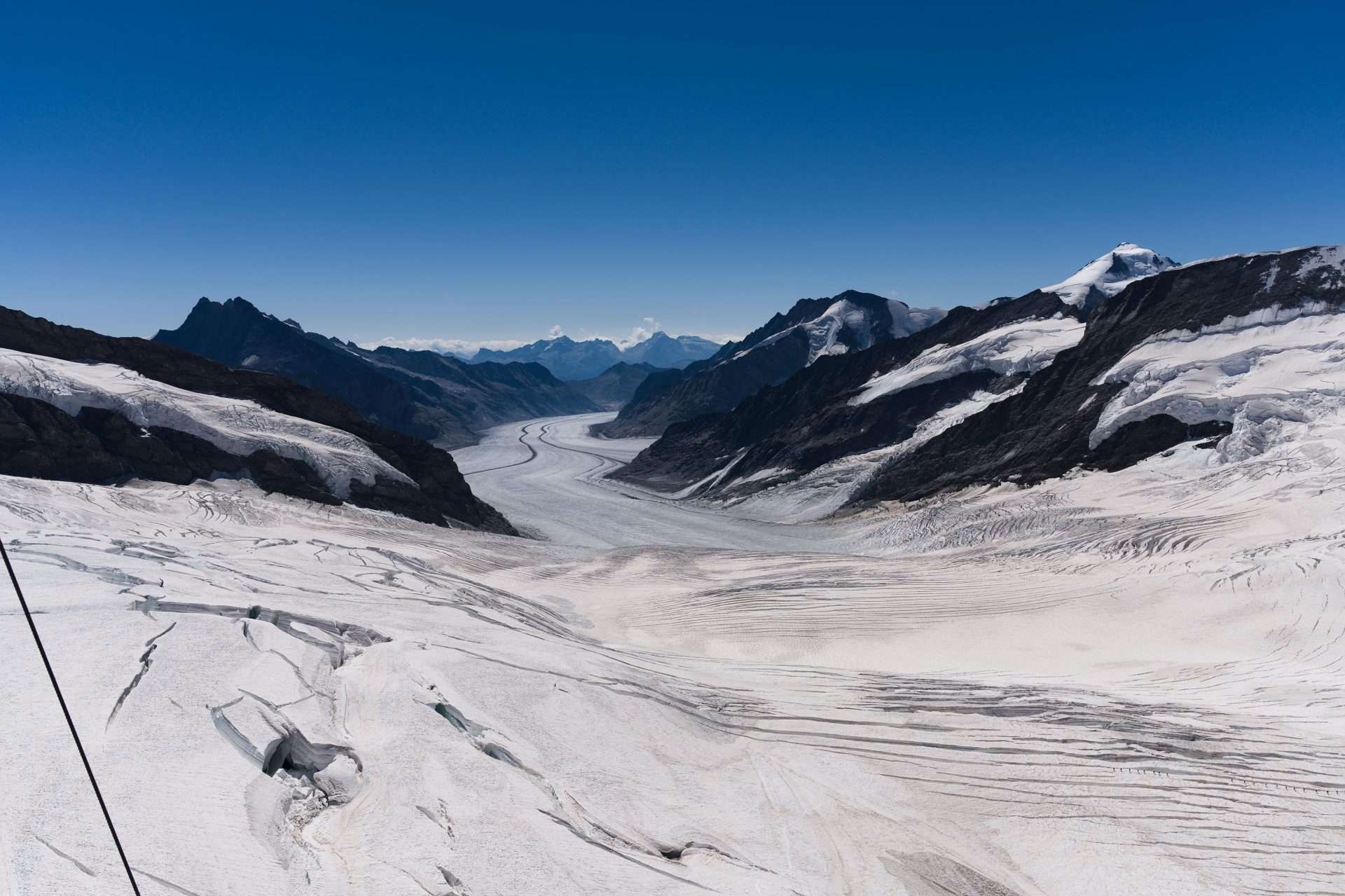
Caption Text Swiss Glaciers Have Lost Almost 20% of Their Ice Since 2021
A winter with very little snowfall followed by intense heatwaves from May to September left glaciers without their protective... - Latest News
Caption Text Rooftop Revolution in France: Why Big Buildings Are Going Green
France is making rooftops part of its response to climate change. Instead of treating roofs as unused building space, new... - Latest News
Caption Text Half of Europe Experienced Very Strong Heat Stress During Summer 2026
More than half of Europe experienced very strong heat stress at some point during summer 2026, as repeated heatwaves pushed temperatures... - Latest News
Caption Text Europe’s Climate Change Bill Is Growing
Climate change is already creating a growing financial burden across Europe. Between 1980 and 2024, weather and climate related... - Latest News
Caption Text By 2030, Most Families in Ethiopia, Malawi, and Nigeria Won’t Be Able to Afford a Healthy Meal
By 2030, more than 90% of people in Malawi and Nigeria, and 75% in Ethiopia, won’t be able to... - Latest News
Caption Text Global Rivers Are Losing Oxygen as the Climate Warms
Rivers around the world are losing dissolved oxygen, an essential condition for healthy freshwater ecosystems. A 2026 study published in Science Advances analysed 21,439...


All Global Risks posts
