
May 14, 2025

Latest News
A new global analysis by Climate Central reveals a disturbing trend: climate change has at least doubled the number of extremely hot “pregnancy heat-risk days” in 222 countries between 2020 and 2024. These dangerous days pose serious risks to maternal health, including increased chances of preterm birth, stillbirth, and pregnancy complications.
Pregnancy heat-risk days are defined as days with maximum temperatures hotter than 95% of historical records at a location. What’s alarming is that even a single day can raise health risks for pregnant people. In the United States, climate change added 12 of the 25 average annual pregnancy heat-risk days over the past five years, a 48% increase. Every U.S. state experienced at least an extra week of such extreme heat annually due to climate change, with the Southwest seeing the most additional days.
The situation is similarly concerning in India, where from 2020 to 2024, climate change contributed to nearly one-third of the average annual pregnancy heat-risk days, adding 6 out of 19 days each year. Panaji in Goa saw the highest increase, with an average of 39 additional heat-risk days annually, the most among Indian cities. Other regions, including the northeastern states, Kerala, Lakshadweep, and the Andaman and Nicobar Islands, also recorded notable increases.
Globally, the picture is troubling. Around one-third of countries and territories (78 of 247) experienced an extra month or more of heat-risk days per year. The most severe increases occurred in the Caribbean, Central and South America, the Pacific Islands, Southeast Asia, and sub-Saharan Africa, regions already facing limited healthcare access.
Extreme heat isn’t the only concern. Rising temperatures drive multiple maternal health risks: increased air pollution from wildfires, more frequent flooding, infrastructure damage, and heightened prenatal stress – all further endangering pregnant people and newborns.
What’s driving these dangerous temperature increases? Physical changes in the polar regions play a crucial role. Rapid Arctic sea ice loss, Greenland ice sheet melt, and permafrost thaw are powerful catalysts of rising global temperatures. As reflective ice surfaces disappear, darker ocean and land surfaces absorb more solar radiation, accelerating global temperature rise through what’s known as the albedo effect. Meanwhile, thawing permafrost releases trapped greenhouse gases like methane and carbon dioxide, creating dangerous feedback loops that further intensify warming. These polar shifts disrupt global climate systems, amplifying extreme heat events far beyond the poles, including the pregnancy heat-risk days now threatening maternal health worldwide.
This crisis comes amid record-shattering global heat in 2023 and 2024. Urgent action is needed to reduce emissions and protect maternal health, especially in the world’s most climate-vulnerable communities.
Feature image: Climate change and maternity health. Credit: Climate Central
Read more about Health risks by clicking here.
For more such stories check out Climate Risks Daily
What You Can Do?
Join the Fight Against World's Climate Crisis
SubscribeDiscover global climate challenges and the Polar connection
Spread the WordShare this page to raise awareness
Read More From the Global Risks Category
- Latest News
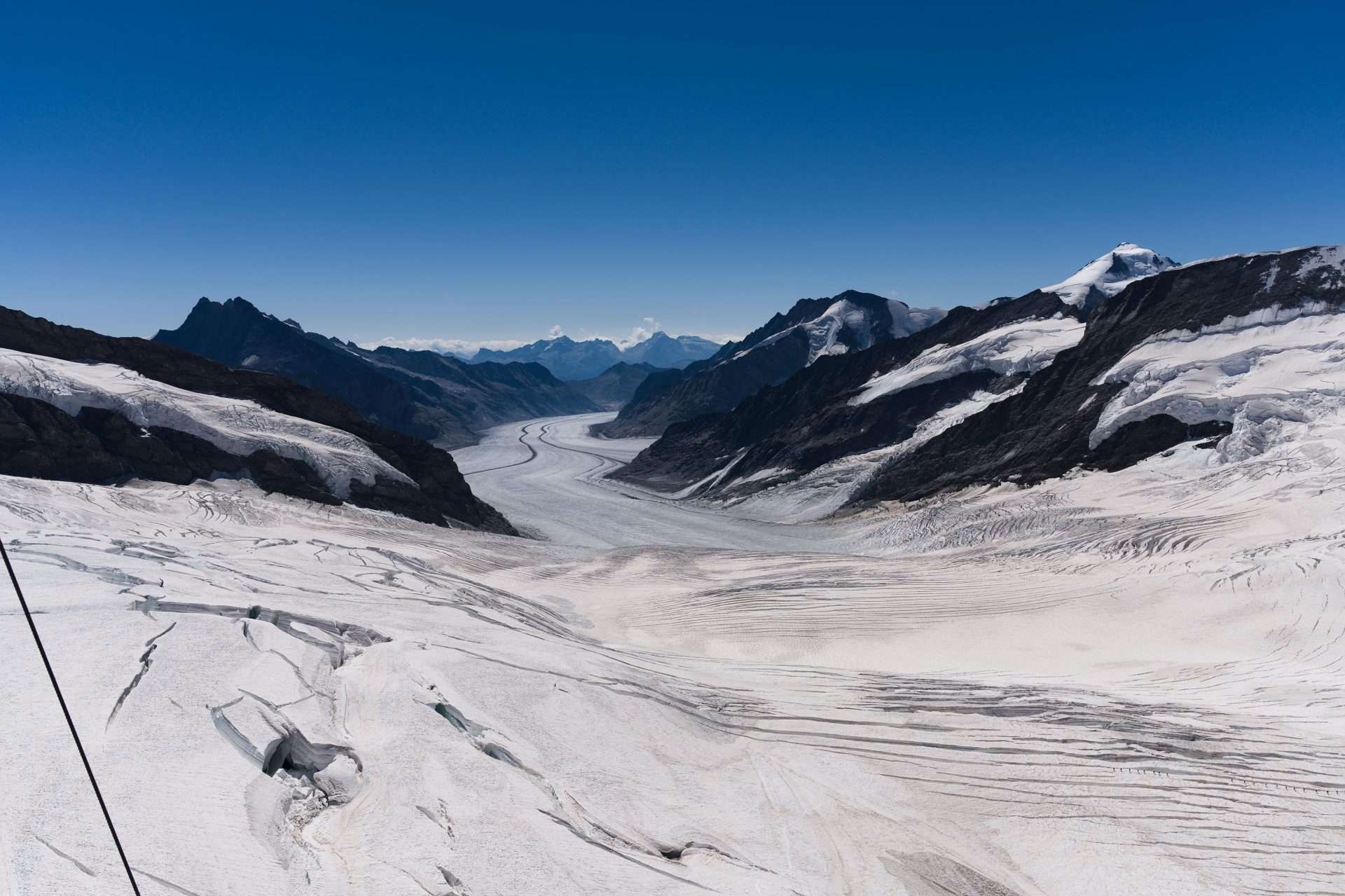
Caption Text Swiss Glaciers Have Lost Almost 20% of Their Ice Since 2021
A winter with very little snowfall followed by intense heatwaves from May to September left glaciers without their protective... - Latest News
Caption Text Rooftop Revolution in France: Why Big Buildings Are Going Green
France is making rooftops part of its response to climate change. Instead of treating roofs as unused building space, new... - Latest News
Caption Text Half of Europe Experienced Very Strong Heat Stress During Summer 2026
More than half of Europe experienced very strong heat stress at some point during summer 2026, as repeated heatwaves pushed temperatures... - Latest News
Caption Text Europe’s Climate Change Bill Is Growing
Climate change is already creating a growing financial burden across Europe. Between 1980 and 2024, weather and climate related... - Latest News
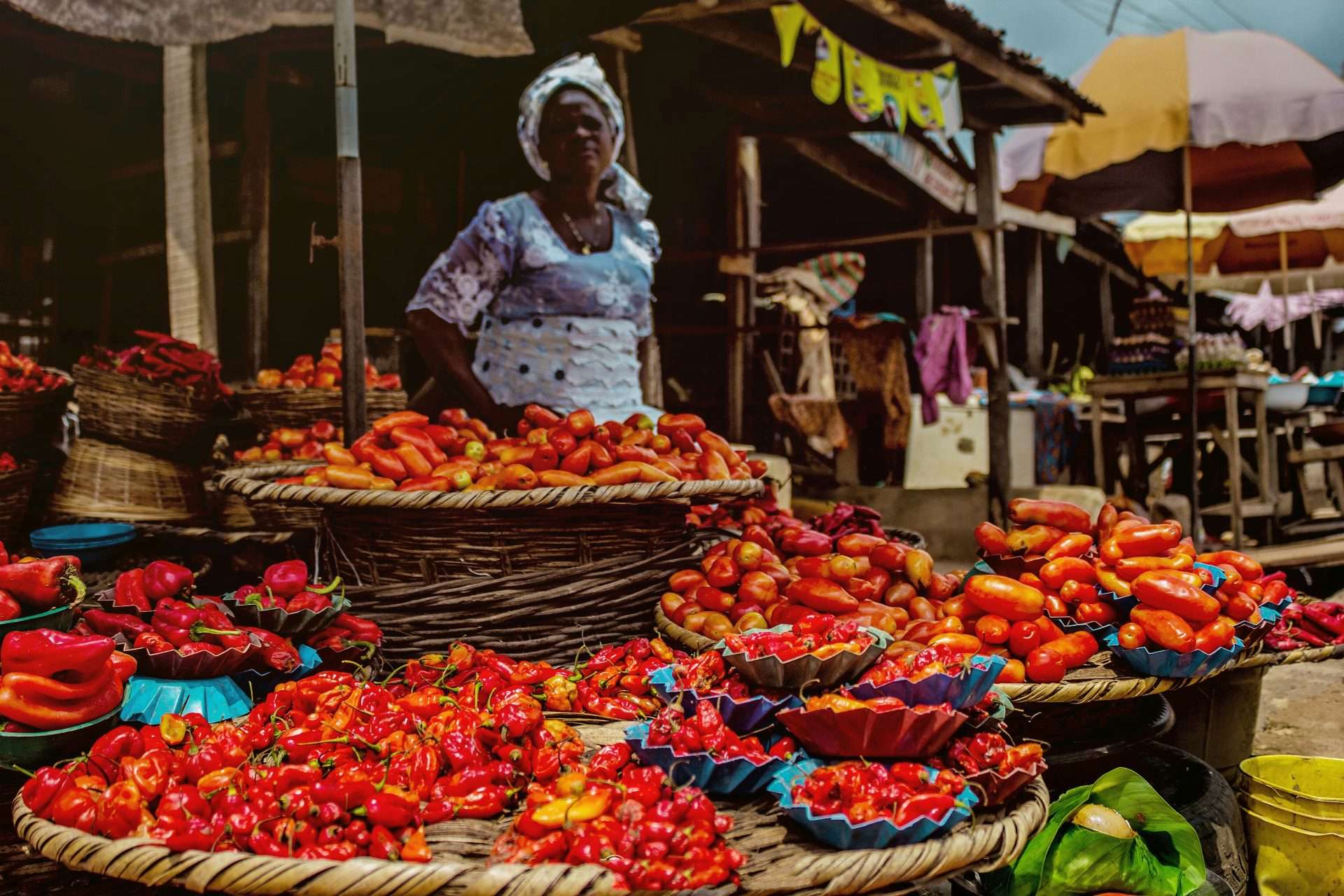
Caption Text By 2030, Most Families in Ethiopia, Malawi, and Nigeria Won’t Be Able to Afford a Healthy Meal
By 2030, more than 90% of people in Malawi and Nigeria, and 75% in Ethiopia, won’t be able to... - Latest News
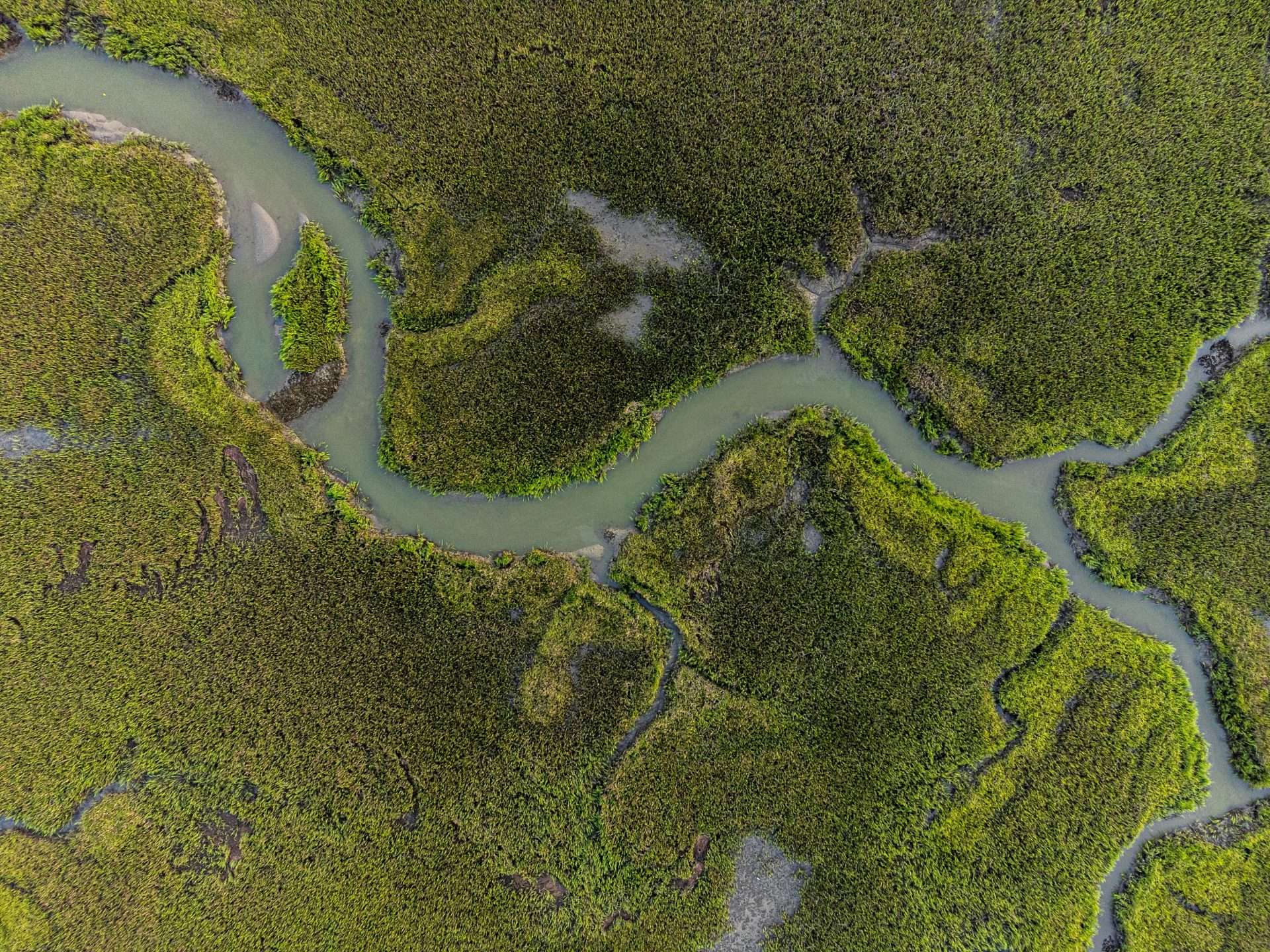
Caption Text Global Rivers Are Losing Oxygen as the Climate Warms
Rivers around the world are losing dissolved oxygen, an essential condition for healthy freshwater ecosystems. A 2026 study published in Science Advances analysed 21,439...



All Global Risks posts
