
August 12, 2026
Extreme Weather Affects More Than 13 Million Africans
6 min read

Latest News
People affected by a flood in Lekki, Lagos. Photo by Ben Iwara from Pexels.
At least 13 million people across Africa were affected by extreme weather and climate-related events in 2025. More than 3,000 deaths were reported, according to the World Meteorological Organization’s (WMO) the Climate in Africa 2025. Floods were the most common reported hazard, accounting for more than half of reported events. Severe flooding in Nigeria killed more than 200 people in May, while flooding in the Democratic Republic of the Congo in April killed more than 160 people. Meanwhile, drought affected more than 8.5 million people across East Africa. As a result, communities are facing both destructive floods and prolonged water shortages.
These impacts are occurring as Africa gets hotter and faces growing pressure on its coastlines, water supplies and food systems.
2025 was Africa’s third-warmest year on record, with average land temperatures around 0.51°C above the 1991–2020 average. Rising seas are adding another layer of risk, particularly for coastal communities already exposed to flooding, erosion and damage to homes and infrastructure.
What is Happening?
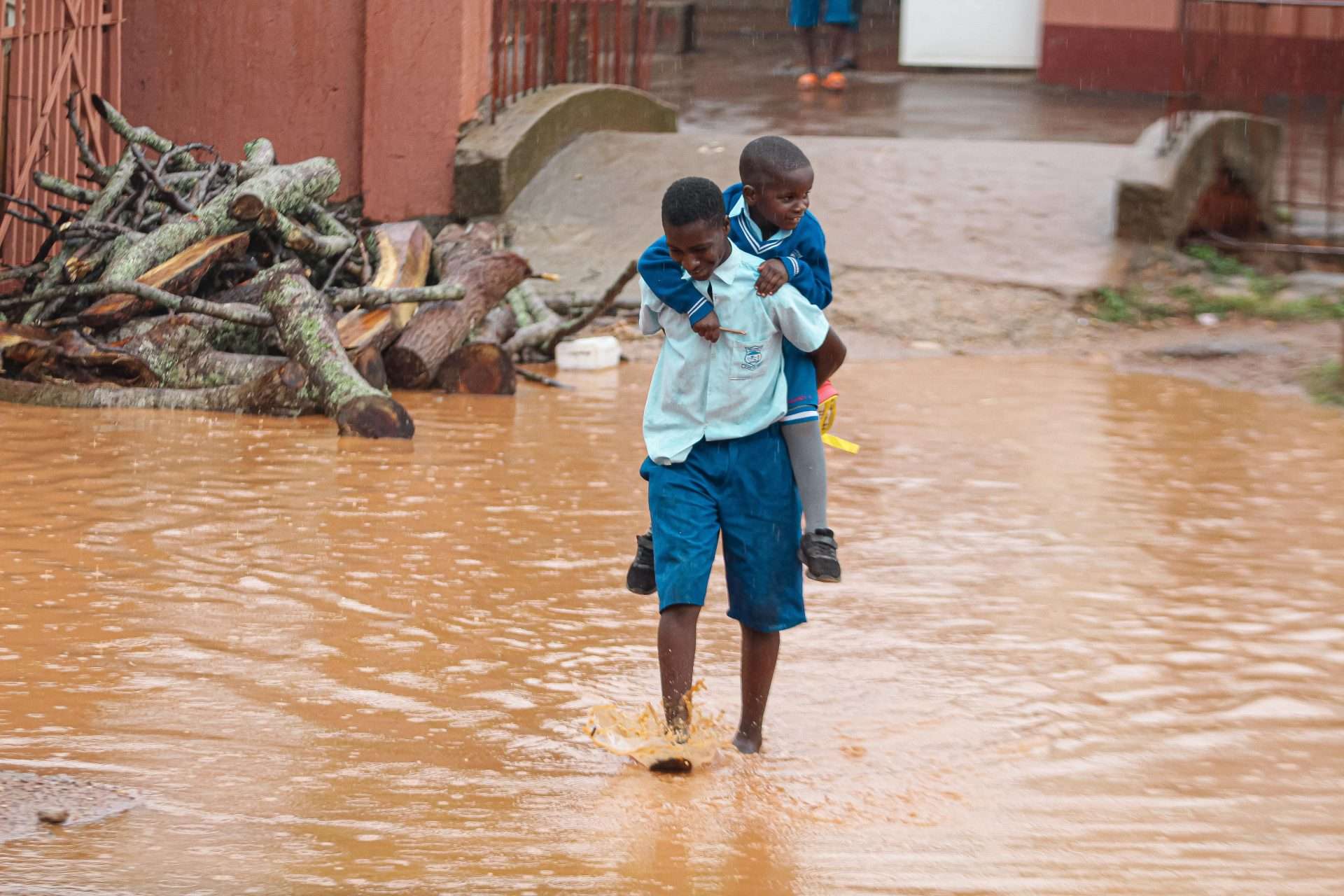
- Rainfall is becoming more disruptive: Heavy rainfall and flooding affected communities across several parts of Africa, while other regions experienced unusually dry conditions. These swings between intense rainfall and prolonged dryness are putting additional pressure on water supplies, agriculture, and infrastructure.
- Tropical cyclones are adding to the risks: The South-West Indian Ocean experienced an unusually active 2024/25 tropical cyclone season, with several storms affecting southern and southeastern Africa. Tropical cyclones can bring destructive winds, heavy rainfall, flooding, and coastal impacts to communities in their path.
- The ocean around Africa is warming: Marine heatwaves affected large areas of the Atlantic, Indian and Southern oceans surrounding Africa in 2025. Warmer ocean conditions place additional pressure on marine ecosystems and communities that depend on fisheries and coastal resources.
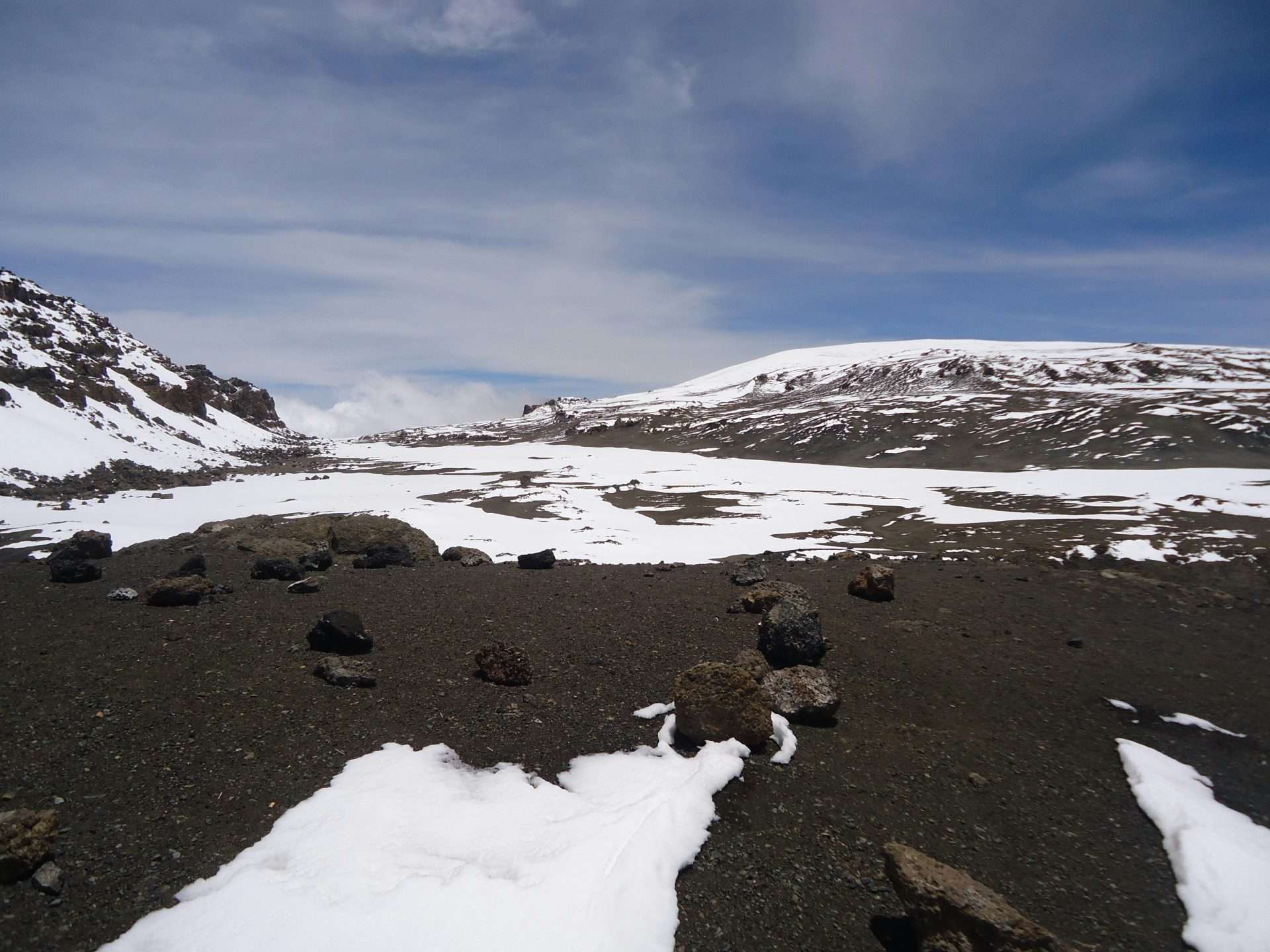
- African glaciers continue to shrink: Glaciers on Mount Kenya, Mount Kilimanjaro and the Ruwenzori Mountains have experienced dramatic long-term losses. Across Africa, glaciers have lost more than 90% of their area since the late 19th century. On Mount Kilimanjaro, glacier coverage has fallen from 11.4 km² in 1900 to around 0.98 km² today, changing mountain water systems and increasing risks associated with changing water flows.
- Sea levels are rising along Africa’s coastlines: Sea-level rise along parts of Africa’s Atlantic, Indian Ocean and Red Sea coasts has been faster than the global average, increasing the exposure of coastal communities, infrastructure and ecosystems to flooding and erosion.
Why This Keeps Getting Worse
Africa’s warming is part of a global climate system in which changes in one region can influence conditions elsewhere. Arctic warming and sea-ice loss can alter temperature gradients and atmospheric circulation, including the jet stream and monsoon systems. A 2026 study using observations, reanalysis and climate-model experiments found that Arctic warming delayed the retreat of the Afro-Asian monsoon and contributed to increased autumn rainfall, including across North Africa. This provides a clear example of why polar science matters for understanding climate risks far beyond the poles.
Furthermore, the shrinking glaciers of Mount Kenya, Mount Kilimanjaro and the Ruwenzori Mountains are part of the broader retreat of mountain glaciers under a warming climate. Research on Kilimanjaro links glacier loss to changes in temperature, atmospheric moisture and regional atmospheric circulation, which can affect snowfall, cloud formation, and the amount of heat reaching the ice. Although mountain glacier retreat is not the same process as polar ice-sheet loss, both are responses to a warming climate. Studying African glaciers alongside the Arctic and Antarctic helps us understand how the atmosphere, oceans and polar regions interact across different regions of the planet.
What This Means for People
- Homes and communities: Floods and storms can damage homes, infrastructure and livelihoods, displacing families, and increasing recovery costs.
- Food and water security: Drought and changing rainfall can reduce water supplies, damage crops, and threaten food security.
- Health and safety: Extreme heat and other hazards can cause deaths and put additional pressure on health services.
- Coastal livelihoods: Rising seas and warmer, more acidic oceans threaten coastal communities, fisheries and marine ecosystems.
- Harder recovery: Repeated extreme events can leave communities struggling to recover before the next disaster strikes.
The Urgent Response Needed
What Needs to Change:
- Expand early warning systems, so people receive timely information about floods, storms, droughts and have the resources to act on those warnings. WMO reports that less than 40% of African countries have preparedness and response capabilities for multi-hazard early warnings.
- Strengthen local preparedness by improving coordination between weather services, disaster management agencies, local authorities, and communities.
- Improve climate and weather services so farmers, health services, communities and governments have better information to prepare for changing rainfall, drought, heat and extreme weather.
- Protect coastal and marine ecosystems that support food, income and community resilience as oceans warm, become more acidic, and seas continue to rise.
What YOU Can Do:
- Stay informed about local weather warnings and emergency information, during periods of flooding, extreme heat, drought, or severe storms. (e.g., ACMAD – African Centre of Meteorological Applications for Development)
- Follow guidance from local authorities during extreme weather events and help family members and neighbours prepare.
- Support local efforts that protect water supplies, natural areas and communities from flooding and extreme weather (e.g., wetland restoration, urban trees, rain gardens, and flood-protection projects).
- Support practical measures that reduce carbon pollution and help your community become better prepared for the weather risks you are already experiencing (e.g., energy efficiency, renewable energy, heat-action plans, and improved drainage systems).
Read more: Sea Level Rise | Health risks | Climate Risks Daily
Original source: https://wmo.int/news/media-centre/extreme-weather-and-climate-events-impact-millions-africa-2025
What You Can Do?
Join the Fight Against World's Climate Crisis
SubscribeDiscover global climate challenges and the Polar connection
Spread the WordShare this page to raise awareness
Read More From the Global Risks Category
- Latest News
Caption Text Storm Boelo Disrupts Power Supply to 90,000 UK Properties
Storm Boelo disrupted power supply in the UK. It brought severe winds and flooding to some parts of Scotland... - Latest News
Caption Text Arctic Permafrost Thaw Contaminates Drinking Water in Norwegian Town
Residents of Longyearbyen, a town in Norway’s Svalbard group of islands, have been advised not to drink tap water... - Latest News
Caption Text Afghanistan’s Drought Crisis Is Pushing Girls into Child Marriage
Drought, hunger and extreme poverty are pushing families in Afghanistan into desperate choices, with some parents arranging marriages for... - Latest News
Caption Text 5 Steps to Biodiversity Metrics With Data You Already Have
For many businesses, nature-related reporting feels like another compliance burden, with new frameworks and data requests but little obvious... - Latest News
Caption Text Hurricane Polo Shows How Climate Change Is Making Pacific Storms Stronger
Hurricane Polo rapidly intensified in the eastern Pacific in September 2026, becoming a Category 5 hurricane within about 24... - Latest News
Caption Text Indonesia’s Wildfires Are Creating a Major Health and Haze Crisis
Indonesia is facing a severe wildfire crisis as unusually dry conditions fuel fires across Sumatra and Borneo. The resulting...


All Global Risks posts
