
February 9, 2024
Flood Alert: California’s Unrelenting Storms, A Rising Concern
3 min read

Latest News
Recent weeks have seen an unprecedented series of atmospheric rivers battering California, leading to widespread and severe flooding across the state. The intensity and frequency of these storms have catapulted the region into a state of emergency, with both urban and rural areas grappling with the consequences.
The severe flooding is due to atmospheric rivers, a phenomenon where long, narrow bands in the atmosphere transport water vapor from the tropics. These rivers in the sky can release this moisture as heavy rain or snow when they reach land, leading to significant precipitation and flooding. Atmospheric rivers are not always synonymous with catastrophic flooding: they play a significant role in supplying up to half of all precipitation, including vital rainfall, in mid-latitude regions such as California. However, as temperatures rise due to climate change, the dynamics change as well: warmer air can hold more moisture, potentially intensifying rainfall events. This effect is particularly pronounced in 2024, given the occurrence of El Niño, which naturally leads to elevated ocean surface temperatures.
From late December through the early weeks of January, the state has witnessed several major flooding events. These have not only covered vast tracts of land but have also led to the evacuation of thousands of residents, power outages, and catastrophic infrastructure damage. The rate of rainfall has been astonishing, with some regions experiencing more than 200% of their average precipitation for this time of year.
So… What does the Arctic have to do with California? On average, the Arctic is warming faster than the globe as a whole and according to Arctic Scientist Dr. Jennifer Francis: “This recent parade of storms ravaging western states is caused by a persistent wavy pattern in the polar jet stream, the likes of which are more common when the Arctic is unusually warm. So far in 2024, the Arctic has been 2-3 deg. C (4-5 deg. F) warmer than normal, especially in the sector north of North America.”
The long-term forecast suggests a continuation of these patterns, with the potential for additional atmospheric rivers to impact the state through the remainder of the winter season. This ongoing threat raises concerns about further flooding, especially in areas already saturated and vulnerable to landslides and erosion. The immediate effects of the floods are clear, but the broader implications for California’s water management, agriculture, and urban planning are profound. The state, which has battled drought conditions for years, now faces the opposite extreme, underscoring the unpredictable nature of climate change and the need for resilient infrastructure and adaptive strategies.
As California navigates this crisis, the situation serves as a stark reminder of the increasing volatility of weather patterns and the urgent need for comprehensive climate action to mitigate future risks. The floods in California are not just a local issue but a global warning sign, emphasizing the interconnectedness of our environment and the far-reaching impacts of the Arctic and climate change.
Do you want to know more about global risks associated with climate change? Explore more
Image Credit: MODIS Land Rapid Response Team, NASA GSFC
What You Can Do?
Join the Fight Against World's Climate Crisis
SubscribeDiscover global climate challenges and the Polar connection
Spread the WordShare this page to raise awareness
Read More From the Global Risks Category
- Latest News
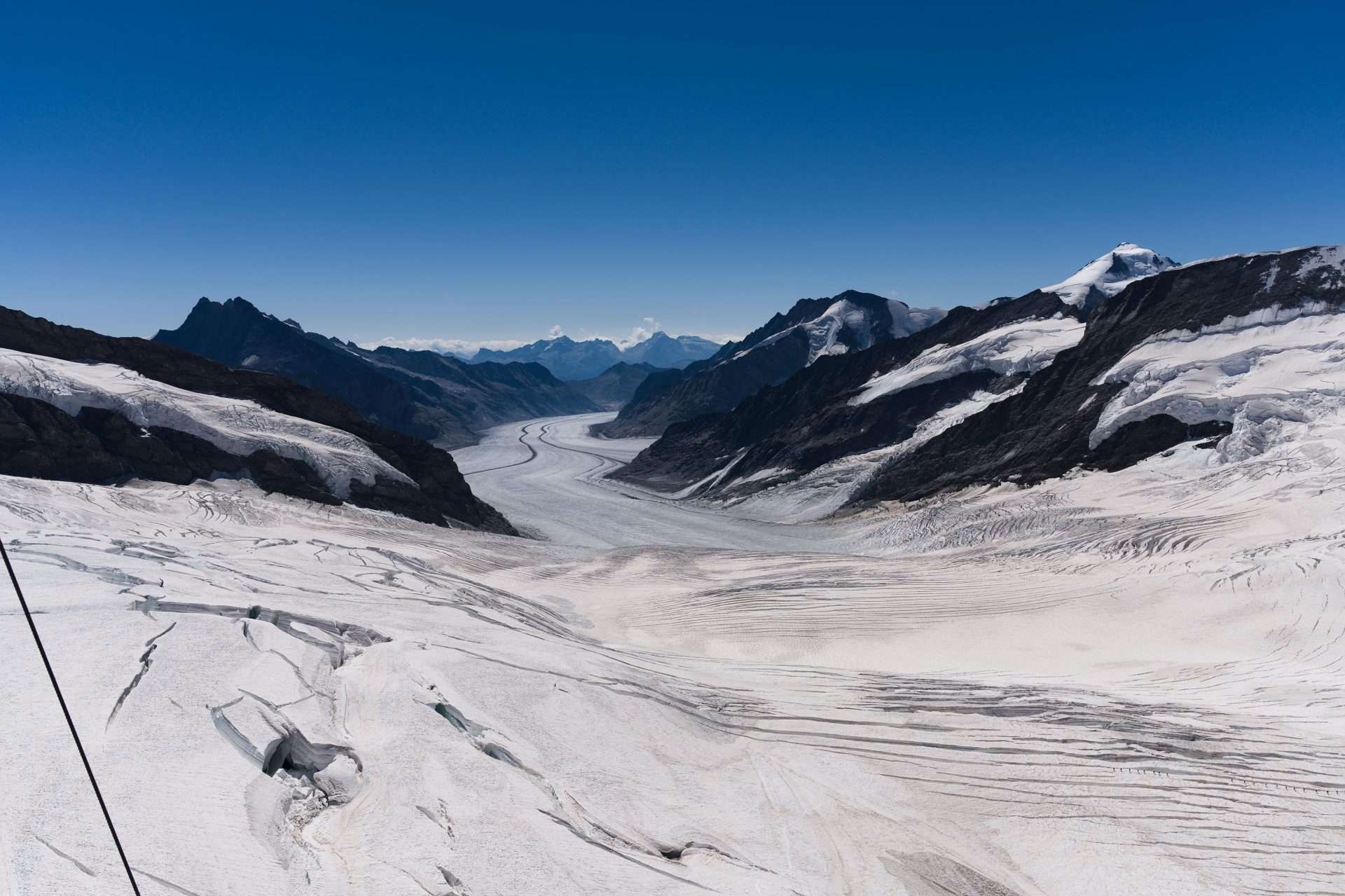
Caption Text Swiss Glaciers Have Lost Almost 20% of Their Ice Since 2021
A winter with very little snowfall followed by intense heatwaves from May to September left glaciers without their protective... - Latest News
Caption Text Rooftop Revolution in France: Why Big Buildings Are Going Green
France is making rooftops part of its response to climate change. Instead of treating roofs as unused building space, new... - Latest News
Caption Text Half of Europe Experienced Very Strong Heat Stress During Summer 2026
More than half of Europe experienced very strong heat stress at some point during summer 2026, as repeated heatwaves pushed temperatures... - Latest News
Caption Text Europe’s Climate Change Bill Is Growing
Climate change is already creating a growing financial burden across Europe. Between 1980 and 2024, weather and climate related... - Latest News
Caption Text By 2030, Most Families in Ethiopia, Malawi, and Nigeria Won’t Be Able to Afford a Healthy Meal
By 2030, more than 90% of people in Malawi and Nigeria, and 75% in Ethiopia, won’t be able to... - Latest News
Caption Text Global Rivers Are Losing Oxygen as the Climate Warms
Rivers around the world are losing dissolved oxygen, an essential condition for healthy freshwater ecosystems. A 2026 study published in Science Advances analysed 21,439...




All Global Risks posts
