
October 12, 2026
Latest News
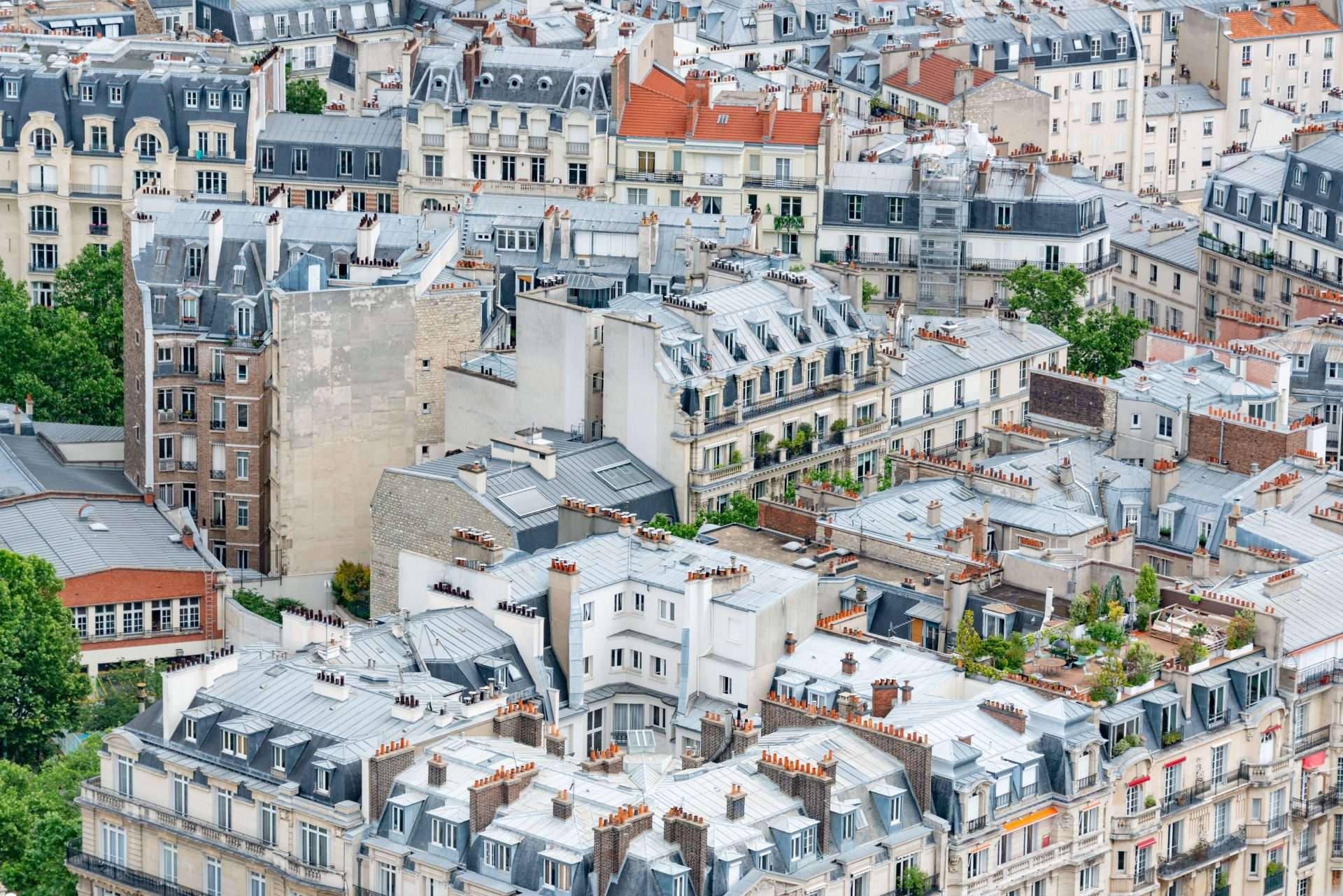
Aerial view of Paris, showing urban gardens on certain roofs. Credit: Diego F. Parra, Pexel.
France is turning the roofs green, making it part of its response to climate change. Instead of treating roofs as unused building space, new regulations are encouraging them to serve as green infrastructure, renewable energy sites, or both.
The approach tackles both building policy and climate challenges, including rising urban temperatures, heavier rainfall, biodiversity loss, and the need to expand renewable energy. It also shows how building standards can make climate action part of everyday urban development rather than relying only on voluntary measures.
France is setting an example for other countries globally to take suit, making strides in the green architectural world. Other countries and cities could adopt similar approaches.
Green Roofs in France: What Is Happening
- France’s Climate and Resilience Act requires certain new buildings, extensions and major renovations to include vegetation, renewable energy systems, or a combination of both on their roofs.
- The rules apply to several categories of large buildings, including commercial, industrial, warehouse and office buildings.
- The minimum roof coverage increased from 30% to 40% on 1 July 2026 and will increase to 50% on 1 July 2027.
- Green roofs must meet environmental requirements covering factors such as water retention, plant diversity, and maintenance.
- The new rules also allow biosolar roofs, combining vegetation with solar panels.
Green roofs: Why This Matters for Climate Action
Cities are becoming hotter, and the urban heat island effect (a phenomenon in which urban area’s temperatures are significantly warmer than the surrounding rural areas) can make built up areas significantly warmer than surrounding areas. This increases exposure to heat, which can contribute to dehydration, heat exhaustion, cardiovascular and respiratory problems, and heat related deaths, during extreme heat events. Green roofs can help address this by adding vegetation to otherwise unused surfaces. A review of 89 studies found that green roofs reduced urban temperatures, with a median cooling effect of 3°C in dry climates and 1°C in hot humid climates. Research also suggests that green roofs can retain around 66% of rainfall on average, helping reduce stormwater runoff during heavy rainfall.
Green roofs can therefore support several aspects of climate resilience at the same time, including urban heat reduction, stormwater management, biodiversity and building energy performance.

They can also provide health and wellbeing benefits by creating more contact with nature and helping make urban environments more comfortable during periods of extreme heat. A 2024 review of 386 peer reviewed studies found evidence for benefits including biodiversity, energy savings, air quality and wellbeing, although outcomes vary depending on roof design, vegetation and local conditions.
The French approach is important because it institutionalizes green architecture in our way of life. The new proposal moves green infrastructure from an optional design feature towards a building policy, treating roof space as part of the infrastructure needed to create healthier and more climate resilient cities.
The Potential Benefits of Green Roofs
Climate and Environmental Benefits:

- Creates more vegetation in dense urban areas without requiring additional land.
- Helps slow and manage stormwater runoff during heavy rainfall.
- Provides habitat and food sources for insects and other urban wildlife.
- Can help reduce urban heat by increasing vegetation and evapotranspiration (The water lost from plants that moves to the air via evaporation and transpiration).
- Combines climate adaptation with renewable energy when biosolar roofs are used.
Health and Community Benefits:
- Can contribute to cooler urban environments during heat events.
- Green spaces on buildings can provide opportunities for contact with nature in densely built areas, providing mental and physical health benefits.
- Better stormwater management can reduce pressure on urban drainage systems during heavy rainfall.
- More urban vegetation can contribute to healthier and more liveable neighbourhoods.
Lessons for Citizens and Policymakers
What YOU Can Do

- Check your building: If you own a home or are involved in managing a building, ask whether the roof could support vegetation or solar panels.
- Ask your workplace, school or housing association: Find out whether unused roof space could be considered for a green roof or solar installation during future renovation.
- Support local green infrastructure: Support neighbourhood projects and local policies that increase trees, green roofs, rain gardens, and other forms of urban greenery.
- When installing solar panels, consider making a green roof: Where technically suitable, combining solar panels with vegetation can provide both renewable energy and climate adaptation benefits
- Subscribe to our Climate Alert Bulletin for monthly updates on how global climate risks impact you.
What Needs to Change Systemically
- Governments can make green roofs or renewable energy systems a requirement for suitable new buildings and major renovations.
- Cities can include green roofs in heat adaptation, biodiversity and stormwater management plans.
- Building regulations should set clear minimum standards for soil depth, plant diversity, water use and maintenance so that green roofs provide real ecological benefits. France has already introduced such standards.
- Governments can provide financial support for retrofitting existing buildings, schools, hospitals and public buildings where green infrastructure can provide wider community benefits.
Climate adaptation should become part of building standards rather than relying only on voluntary action.

Read more: Extreme weather events | Health risks | Climate Risks Daily
Original source: https://www.hoensoey.com/green-roof-mandates-in-2026/
What You Can Do?
Join the Fight Against World's Climate Crisis
SubscribeDiscover global climate challenges and the Polar connection
Spread the WordShare this page to raise awareness
Read More From the Global Risks Category
- Latest News
Caption Text Swiss Glaciers Have Lost Almost 20% of Their Ice Since 2021
A winter with very little snowfall followed by intense heatwaves from May to September left glaciers without their protective... - Latest News
Caption Text Half of Europe Experienced Very Strong Heat Stress During Summer 2026
More than half of Europe experienced very strong heat stress at some point during summer 2026, as repeated heatwaves pushed temperatures... - Latest News
Caption Text Europe’s Climate Change Bill Is Growing
Climate change is already creating a growing financial burden across Europe. Between 1980 and 2024, weather and climate related... - Latest News
Caption Text By 2030, Most Families in Ethiopia, Malawi, and Nigeria Won’t Be Able to Afford a Healthy Meal
By 2030, more than 90% of people in Malawi and Nigeria, and 75% in Ethiopia, won’t be able to... - Latest News
Caption Text Global Rivers Are Losing Oxygen as the Climate Warms
Rivers around the world are losing dissolved oxygen, an essential condition for healthy freshwater ecosystems. A 2026 study published in Science Advances analysed 21,439... - Latest News
Caption Text AI’s Water Footprint: Data Centre Water Use is More Complex Than Metrics Show
Data centres are expanding rapidly to meet demand for artificial intelligence and cloud services, increasing pressure on water, energy,...

All Global Risks posts
