
November 14, 2022

Latest News
Global warming, exacerbated by the melting Arctic, is leading to economic losses around the world. By 2050, Ghana’s GDP is expected to be 24.3% below 2020 levels (Oxford Economics, 2022). These losses stem from a decrease in productivity, reductions in agriculture, and increased health costs, among other factors.
Concerning rising health costs, this warming may make conditions more favourable for vector- and water-borne pathogens (Ryan et al., 2020), which are significant causes of death in subtropical Africa (World Health Organization, 2022). Financial investments in malaria eradication increased from less than US$25 million in 2006 to over US$100 million by 2011. Nonetheless, to eliminate malaria – during the current decade in Ghana – a further US$961 million is needed (Shretta et al., 2020).
Eliminating malaria is expected to come with US$32 billion in economic gain, through reduced healthcare needs and increased productivity (Ibid.).
Ghana, like other African nations, is largely responsible for generating these funds. Western countries have routinely made financial pledges, such as promising US$25 billion specifically to assist the entire continent with climate adaptations, yet only US$55 million has actually materialised (Aljazeera, 2022).
Read more about the socio-economic risks of climate change here.
Read more about health risks here.
What You Can Do?
Join the Fight Against World's Climate Crisis
SubscribeDiscover global climate challenges and the Polar connection
Spread the WordShare this page to raise awareness
Read More From the Global Risks Category
- Latest News
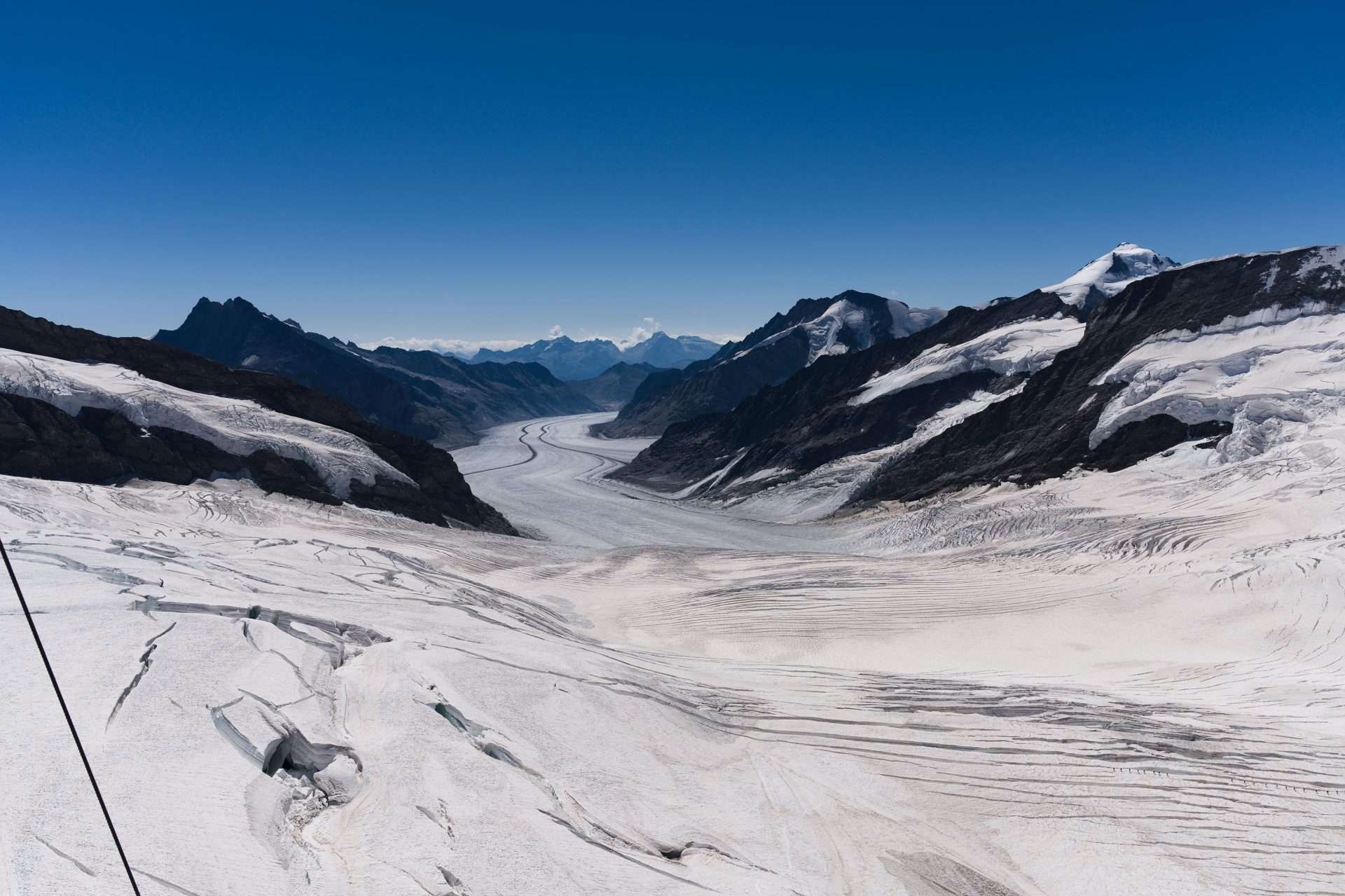
Caption Text Swiss Glaciers Have Lost Almost 20% of Their Ice Since 2021
A winter with very little snowfall followed by intense heatwaves from May to September left glaciers without their protective... - Latest News
Caption Text Rooftop Revolution in France: Why Big Buildings Are Going Green
France is making rooftops part of its response to climate change. Instead of treating roofs as unused building space, new... - Latest News
Caption Text Half of Europe Experienced Very Strong Heat Stress During Summer 2026
More than half of Europe experienced very strong heat stress at some point during summer 2026, as repeated heatwaves pushed temperatures... - Latest News
Caption Text Europe’s Climate Change Bill Is Growing
Climate change is already creating a growing financial burden across Europe. Between 1980 and 2024, weather and climate related... - Latest News
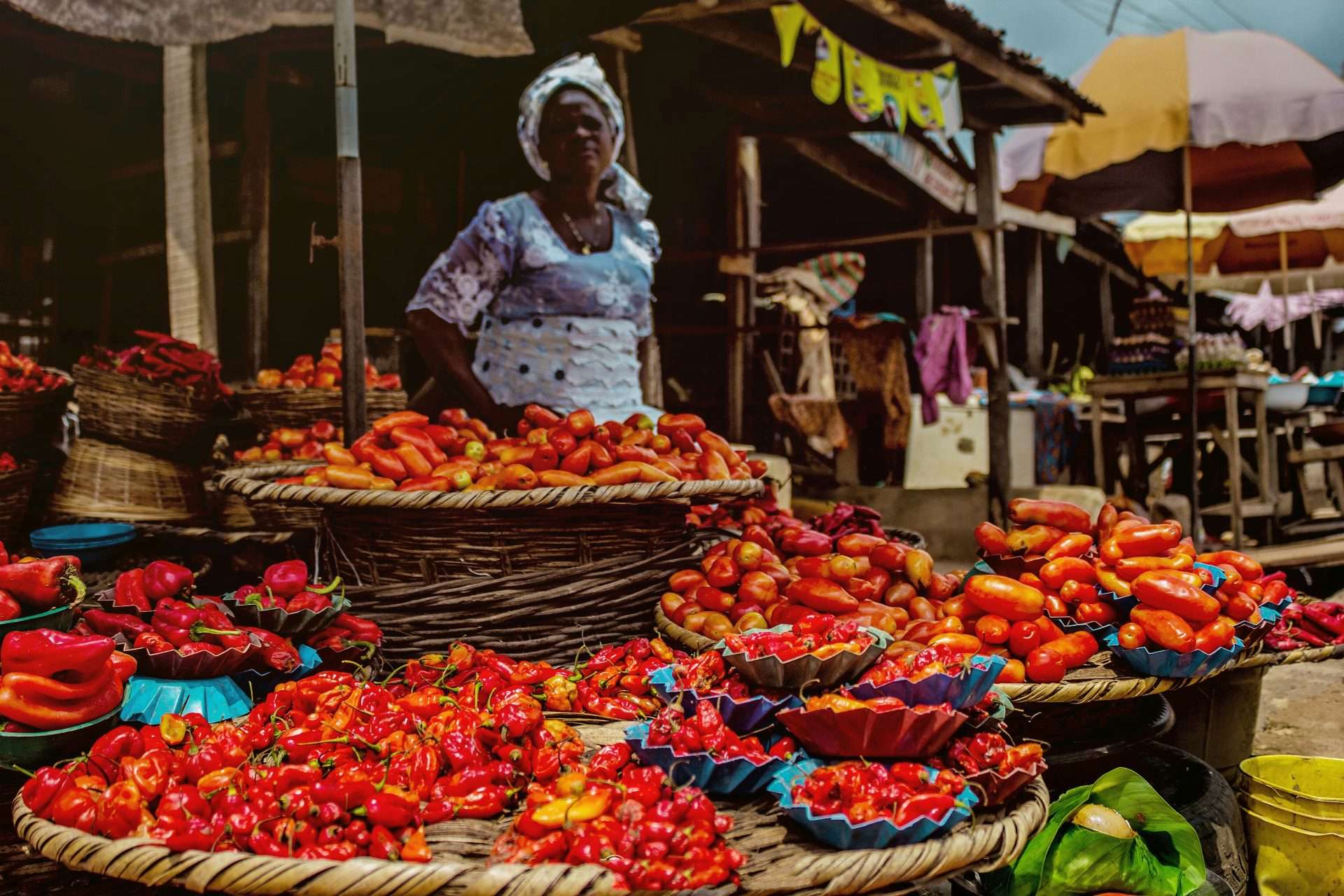
Caption Text By 2030, Most Families in Ethiopia, Malawi, and Nigeria Won’t Be Able to Afford a Healthy Meal
By 2030, more than 90% of people in Malawi and Nigeria, and 75% in Ethiopia, won’t be able to... - Latest News
Caption Text Global Rivers Are Losing Oxygen as the Climate Warms
Rivers around the world are losing dissolved oxygen, an essential condition for healthy freshwater ecosystems. A 2026 study published in Science Advances analysed 21,439...



All Global Risks posts
