
October 12, 2026
Latest News
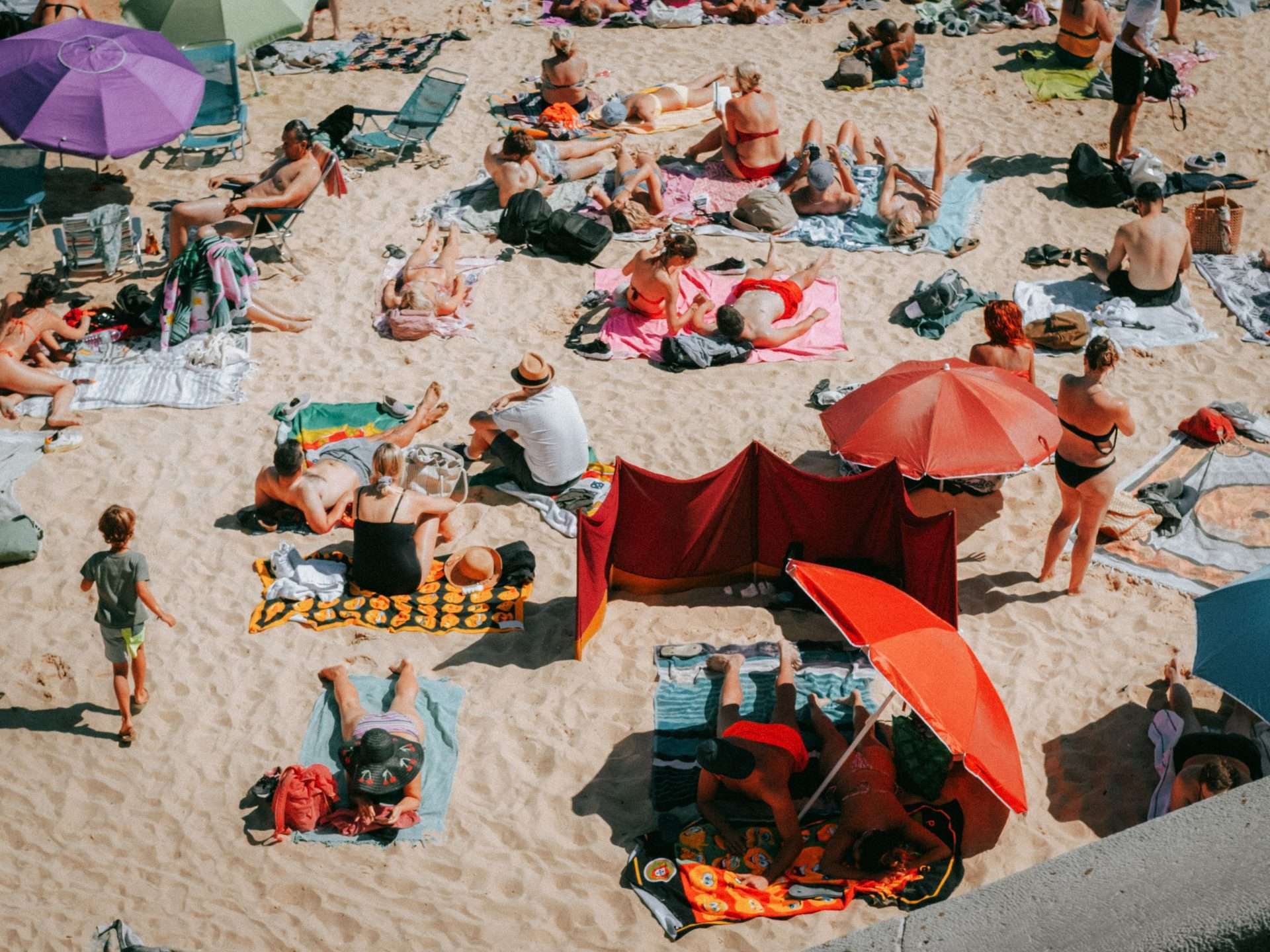
Europe experience extreme heat stress during this summer. Location: Cascais, Lisboa, Portugal. Photo by Vinícius Trindade.
More than half of Europe experienced very strong heat stress at some point during summer 2026, as repeated heatwaves pushed temperatures and humidity to dangerous levels. The extreme heat occurred alongside widespread drought, record low river flows, unusually warm seas and an intense wildfire season, creating connected risks for health, water, energy, transport and ecosystems.
What Is Happening
- 52% of Europe experienced very strong heat stress: This was a record share, with feels like temperatures reaching at least 38°C (26°C or below represents no thermal stress, while 38°C or above is very strong heat stress).
- Western Europe had its warmest summer on record: Average temperatures reached 21.7°C, 2.5°C above the 1991 to 2020 average.
- Heat persisted across large areas: Western Europe recorded 17 days when at least 60% of the region experienced temperatures above 30°C, compared with 11 days in 2003 and 7 in 2025.
- Heat stress reached record levels: Western Europe experienced 41 days of strong heat stress (feels like temperatures of 32–38°C) and 13 days of very strong heat stress (38–46°C), both setting new records.
- Wildfires intensified: By 2 September 2026, the area burned across the EU was almost twice the 2006 to 2025 average (approximately 680,000 hectares, which is about 2.6 times the size of Luxembourg: 2,586 km²).
- European rivers reached record lows: The Rhine, Danube, Po, Loire, Rhône and Seine experienced record or near record low flows in July and August 2026. The most severe low flow of summer since EFAS records began in 1992.
- European seas were exceptionally warm: Record or near record sea surface temperatures were recorded along much of the Atlantic coast and in the western and central Mediterranean, with strong to exceptional marine heatwaves.
- Wildfire emissions were among the highest on record: European wildfire emissions ranked among the 10 highest since 2003, exposing millions of people to dangerous air pollution (PM2.5 reached 115 µg/m³ as a daily average in Bordeaux, more than 7 times the WHO daily guideline of 15 µg/m³).
Strong Heat Stress During Summer: Why This Is Getting Worse
Human-driven climate change is raising Europe’s temperature baseline, making heatwaves more frequent and intense.

Europe has warmed by around 0.56°C per decade since the mid 1990s, more than twice the global average, according to Copernicus. A 2025 study found that Europe warmed around three times faster than the global average during 1979–2022, with warming about 2.8 times faster in summer and 3.1 times faster in winter.
Atmospheric circulation (large scale movement of air that shapes weather patterns) shapes how heat and drought develop and persist. A 2026 study found that circulation changes accounted for about 55% of the decline in summer soil moisture in mid latitude Europe since 1980 and contributed to more frequent warm and dry conditions. Moreover, changes in the Arctic may also influence these circulation patterns. A 2025 study found that declining Arctic sea ice may contribute to circulation changes associated with more European heatwaves, but this remains an active area of research.
What This Means for People and Ecosystems
- Higher health risks: Heat stress can cause dehydration, heat exhaustion, and heatstroke, and can worsen existing health conditions.
- Greater risk for vulnerable groups: Older people, children, pregnant women, outdoor workers and people with existing health conditions face higher exposure.
- Pressure on healthcare: Repeated heatwaves increase demand for emergency and medical services.
- Lower worker productivity: Extreme heat can reduce safe working hours and increase risks for outdoor and physically demanding jobs.
- Water shortages: Low river flows and drought increase pressure on drinking water, irrigation, and other water needs.
- Transport impacts: Low river levels can restrict cargo transport and disrupt supply chains.
- Energy disruption: Low water levels can affect hydropower and cooling for some power plants.
- Air pollution and wildfire smoke: Severe fires can expose millions of people to harmful particulate pollution.
- Urban heat risks: Concrete and asphalt can retain heat, making cities warmer and reducing nighttime recovery.

What YOU Can Do
- Protect yourself during heat: Follow local heat warnings, stay hydrated and avoid strenuous activity during the hottest hours.
- Help keep homes cool: Close blinds during the day, improve ventilation at cooler times and use shading where possible.
- Check on vulnerable people: Stay in contact with older relatives, neighbours and others at higher risk during heatwaves.
- Reduce water use: Avoid unnecessary water consumption during drought periods.
- Reduce carbon pollution: Use public transport, cycling and walking where practical and reduce unnecessary energy use.
- Stay informed: Follow local heat, wildfire smoke and air quality alerts (for example, national meteorological services, the European Environment Agency’s air quality information, and Copernicus Atmosphere Monitoring Service).
- Subscribe to our Climate Alert Bulletin for monthly updates on how global climate risks impact you.
What Needs to Change Systemically
- Reduce carbon pollution: Rapidly reduce greenhouse gas emissions to limit further warming (for example, phasing out fossil fuels, renewable energy and low carbon transport).
- Strengthen heat health protection: Expand heat warning systems and plans for vulnerable groups (for example, SMS alerts, cooling centres and outreach to older people).
- Cool cities: Increase green and blue infrastructure to reduce urban heat (for example, trees, shaded streets, green roofs and water features).
- Prepare water systems: Improve water storage and allocation during heat and drought (for example, reservoirs, rainwater storage and coordinated drought planning).
- Protect workers: Adapt working conditions during extreme heat (for example, adjusted working hours, rest breaks, shade and access to drinking water).
- Strengthen wildfire preparedness: Improve early warning, fire prevention and smoke protection (for example, fire risk monitoring and public air quality alerts).
- Strengthen European cooperation: Coordinate heat, drought and water risk planning across countries and shared river basins.

Read more: Extreme weather events | Health risks | Climate Risks Daily
Original source: https://climate.copernicus.eu/copernicus-record-heat-stress-and-low-river-flows-marked-europes-2026-summer
What You Can Do?
Join the Fight Against World's Climate Crisis
SubscribeDiscover global climate challenges and the Polar connection
Spread the WordShare this page to raise awareness
Read More From the Global Risks Category
- Latest News
Caption Text Global Greenhouse Gas Levels Reach Record Highs
Our agriculture, transportation, fossil fuel industry, Global greenhouse gas levels have reached high records. The World Meteorological Organization (WMO)... - Latest News
Caption Text Home for Christmas? What El Niño’s rains could mean for your journey and your family meal
Your holiday celebrations begin long before the meal is served. There is a lot to plan, someone to call... - Latest News
Caption Text Could Your Child’s Cough Be Caused by Air Pollution?
A child develops a cough during the dry season. In many communities, it is attributed to dust, changing weather,... - Latest News
Caption Text Air Pollution Is Putting Skin Health at Risk in India
If your skin feels drier, more sensitive or more breakout-prone every winter, you may have put it down to... - Latest News
Caption Text Storm Boelo Disrupts Power Supply to 90,000 UK Properties
Storm Boelo disrupted power supply in the UK. It brought severe winds and flooding to some parts of Scotland... - Latest News
Caption Text Arctic Permafrost Thaw Contaminates Drinking Water in Norwegian Town
Residents of Longyearbyen, a town in Norway’s Svalbard group of islands, have been advised not to drink tap water...


All Global Risks posts
