
September 28, 2022

Latest News

28.09.2022, Florida. Having already knocked out power throughout Cuba, Hurricane Ian is crashing into the western coast of Florida with its disastrous extreme trifecta of storm surges reaching 18 feet, torrential rains unleashing up to 24 inches, and winds just 1-2mph shy of being a Category 5 storm with gusts to 190mph.
Each of these extremes is life-threatening in itself but is catastrophic when together, especially when it has experienced “rapid intensification,” and residents are not able to adequately prepare. The gravity of this storm is the direct result of climate change. Normally, storms ease as they barrel toward the US coast, but Ian was able to strengthen from a tropical storm to a Category 4 hurricane within 3 days due to the excessively warm water temperatures that power the storm. This process has been occurring more frequently in recent decades as the water continues to bake. Warmer air is also able to hold more moisture, contributing to more powerful cyclones.
Additionally, as this part of the world is vulnerable to sea level rise, which amplifies the effects of flooding and storm surges. As Greenland melt is the world’s largest contributor to sea level rise, and Arctic amplification is forcing temperatures to rise world over, mitigating change in the Arctic is paramount to controlling future catastrophes around the world. To understand how climate change in the Arctic drives global risks and shares significant responsibility in disasters like Ian, see https://globalclimaterisks.org
Click HERE for more information on the global risks from Arctic change.
What You Can Do?
Join the Fight Against World's Climate Crisis
SubscribeDiscover global climate challenges and the Polar connection
Spread the WordShare this page to raise awareness
Read More From the Global Risks Category
- Latest News
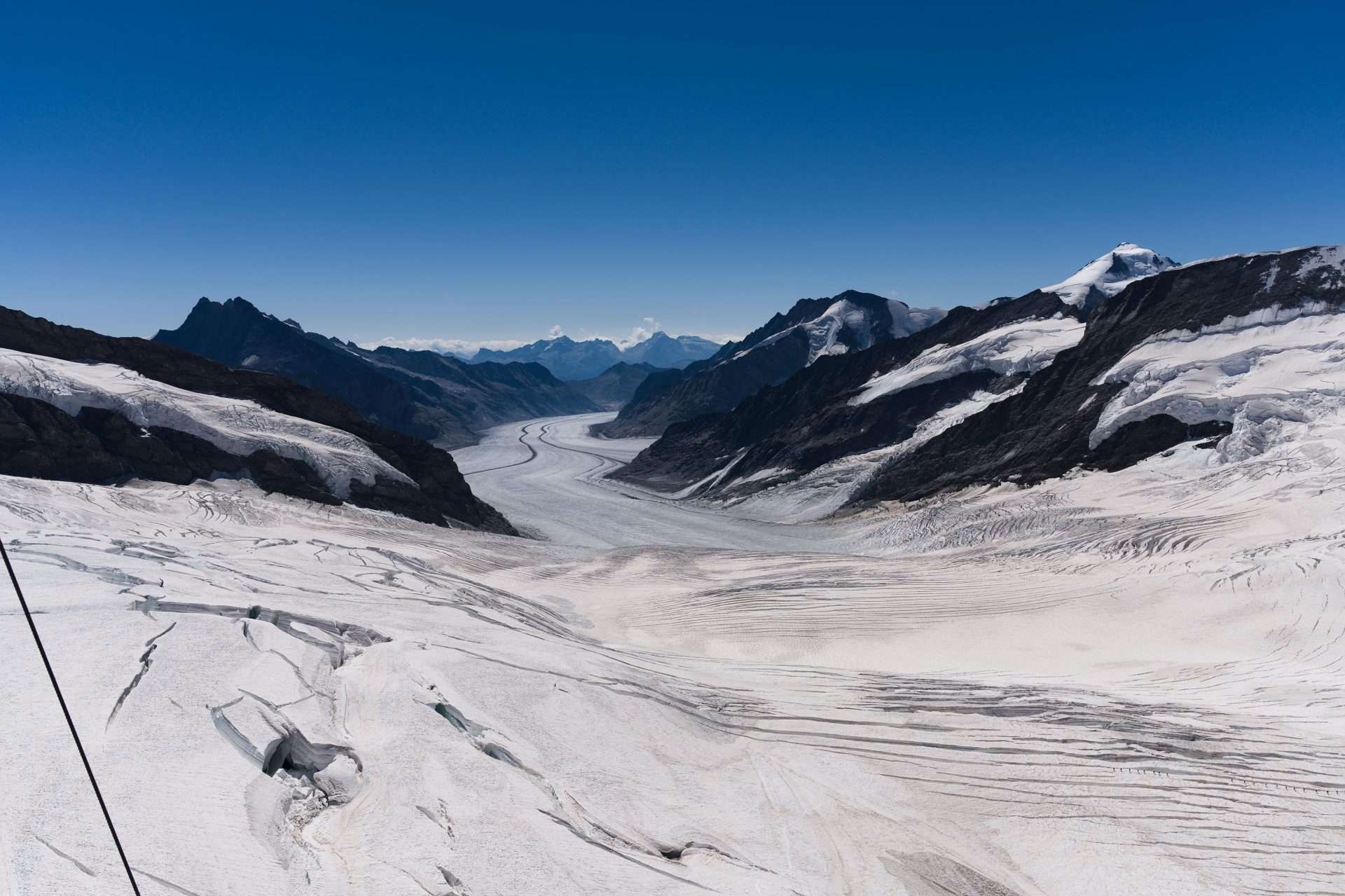
Caption Text Swiss Glaciers Have Lost Almost 20% of Their Ice Since 2021
A winter with very little snowfall followed by intense heatwaves from May to September left glaciers without their protective... - Latest News
Caption Text Rooftop Revolution in France: Why Big Buildings Are Going Green
France is making rooftops part of its response to climate change. Instead of treating roofs as unused building space, new... - Latest News
Caption Text Half of Europe Experienced Very Strong Heat Stress During Summer 2026
More than half of Europe experienced very strong heat stress at some point during summer 2026, as repeated heatwaves pushed temperatures... - Latest News
Caption Text Europe’s Climate Change Bill Is Growing
Climate change is already creating a growing financial burden across Europe. Between 1980 and 2024, weather and climate related... - Latest News
Caption Text By 2030, Most Families in Ethiopia, Malawi, and Nigeria Won’t Be Able to Afford a Healthy Meal
By 2030, more than 90% of people in Malawi and Nigeria, and 75% in Ethiopia, won’t be able to... - Latest News
Caption Text Global Rivers Are Losing Oxygen as the Climate Warms
Rivers around the world are losing dissolved oxygen, an essential condition for healthy freshwater ecosystems. A 2026 study published in Science Advances analysed 21,439...





All Global Risks posts
