
October 15, 2026
Indonesia’s Wildfires Are Creating a Major Health and Haze Crisis
6 min read

Latest News
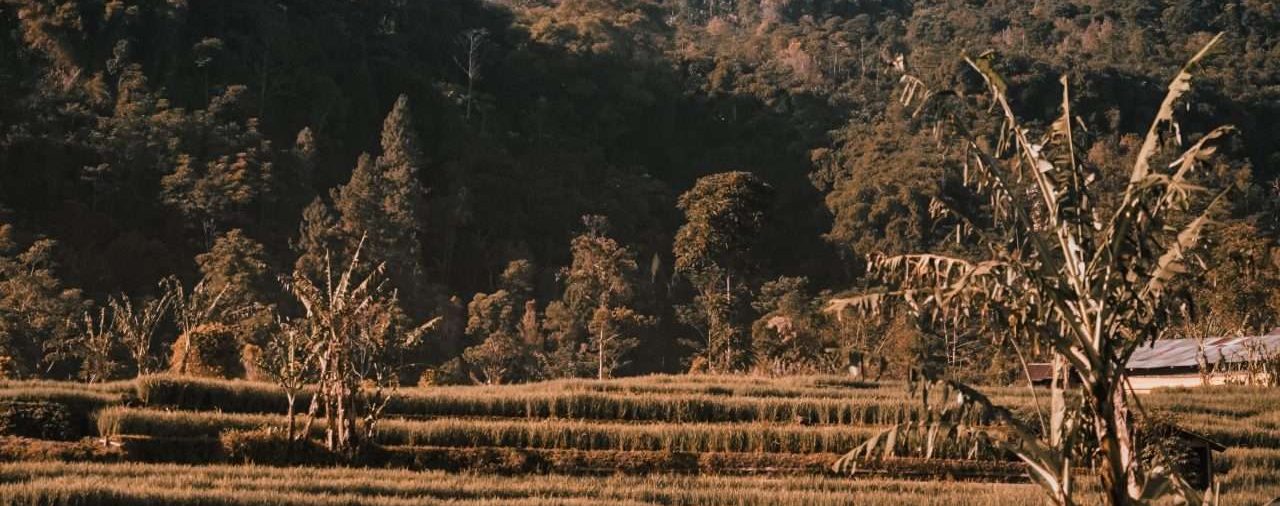
Village street in Indonesia. Credit: Mytho Digital, Pexels.
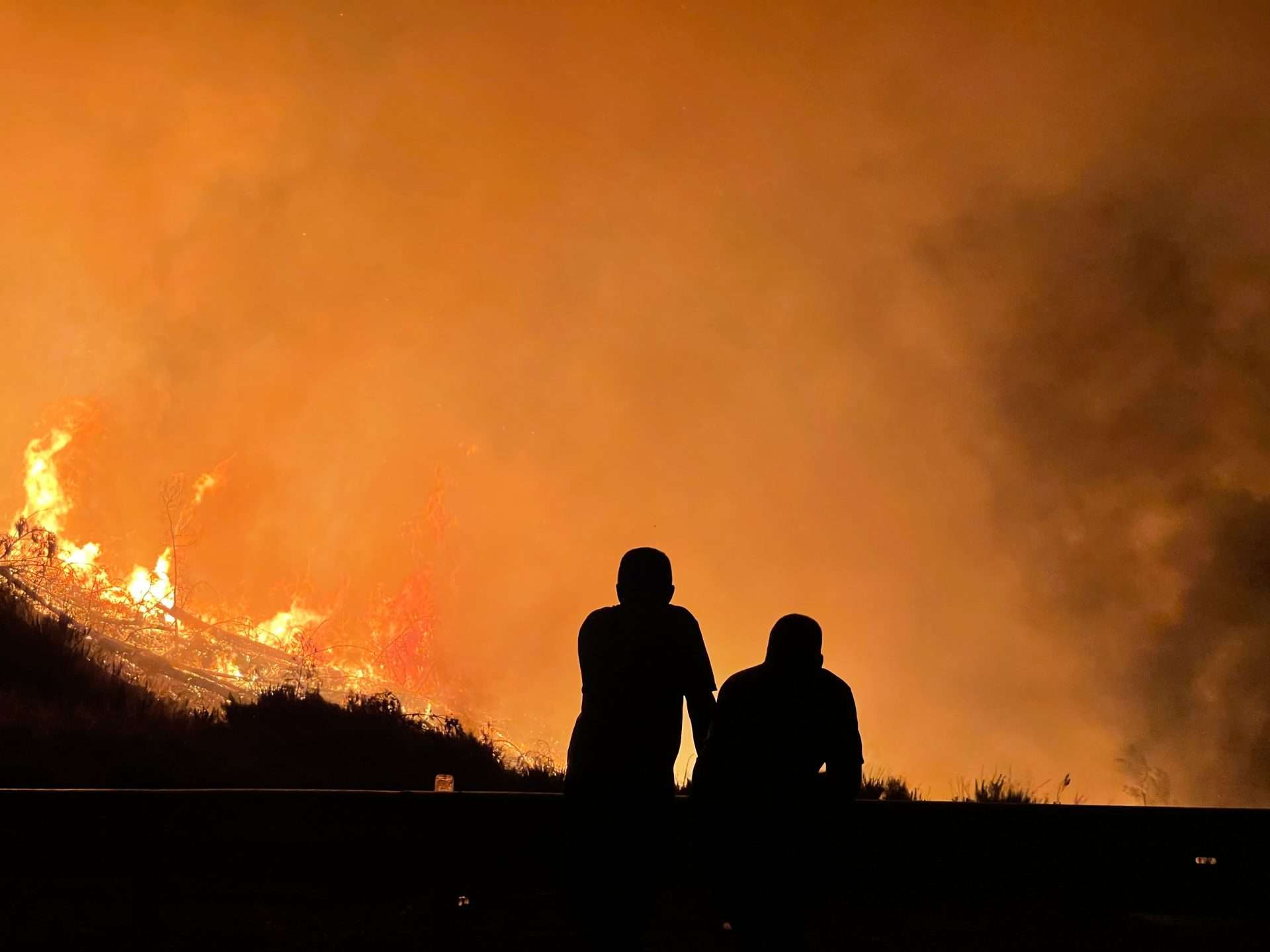
Indonesia is facing a severe wildfire crisis as unusually dry conditions fuel fires across Sumatra and Borneo. The resulting toxic haze is creating serious health risks, disrupting daily life, and threatening forests and wildlife. With conditions to remain hot and dry, as the wildfires carry into their third month now, the fires and associated air pollution could continue to affect communities in Indonesia and neighbouring countries for an undetermined amount of time.
Fires across Sumatra and Borneo: What Is Happening
- 175,000 respiratory illness cases: Around 175,000 people have suffered respiratory illnesses since August 2026, including more than 40,000 toddlers.
- Nearly 900,000 hectares burned: Around 895,657 hectares of land have burned since January 2026, an area nearly six times the size of Greater London.
- Fire hotspots: Around 734,000 fire hotspots have been detected across Indonesia.
- High air pollution: On 14 October 2026, Indonesia’s Central Kalimantan province recorded an ISPU (Air Pollution Standard Index) above 1,200. This is more than four times the hazardous threshold of 300, according to environment ministry data. Thick haze blanketed the provincial capital, Palangka Raya, severely reducing visibility for motorists.
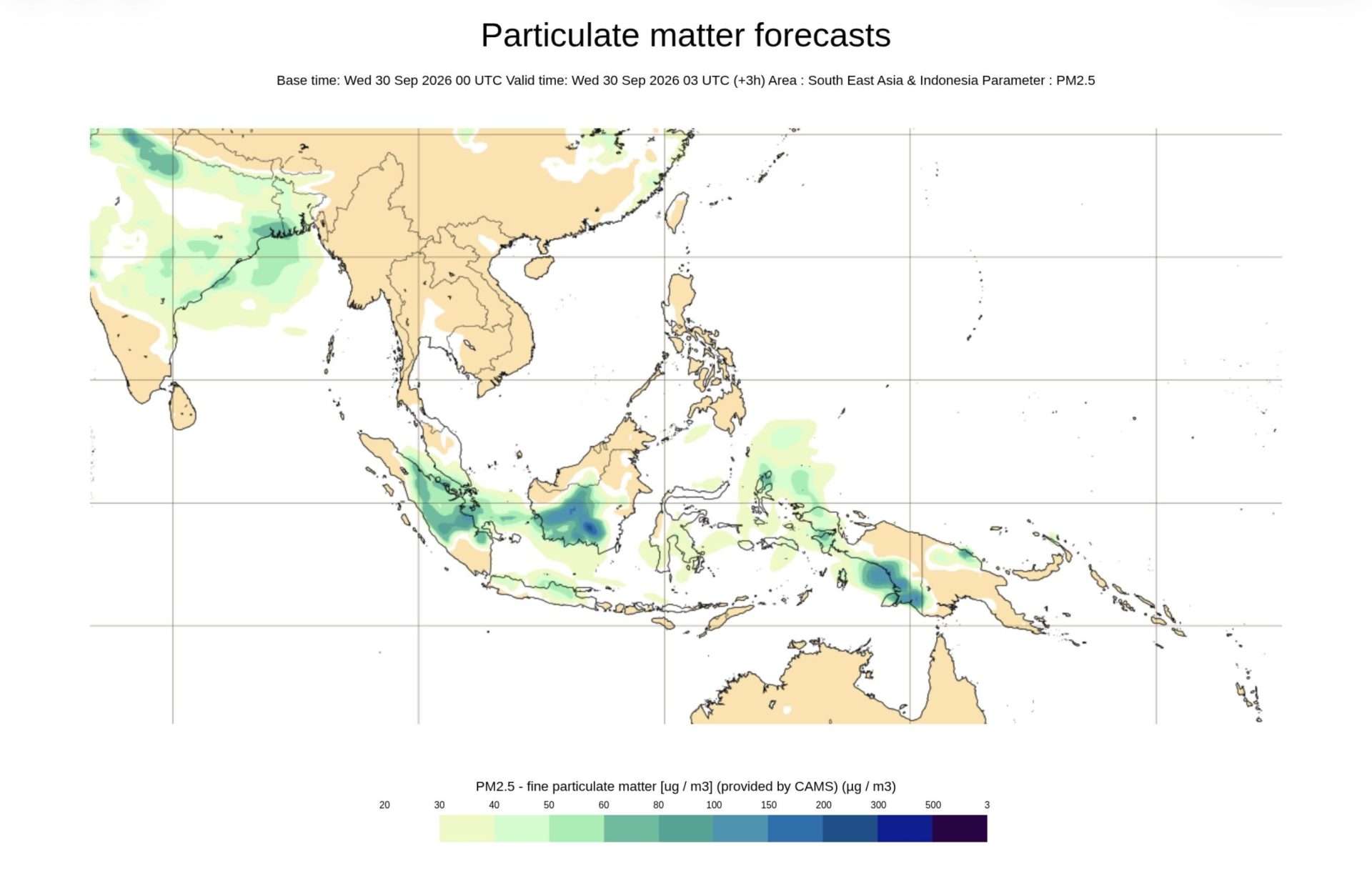
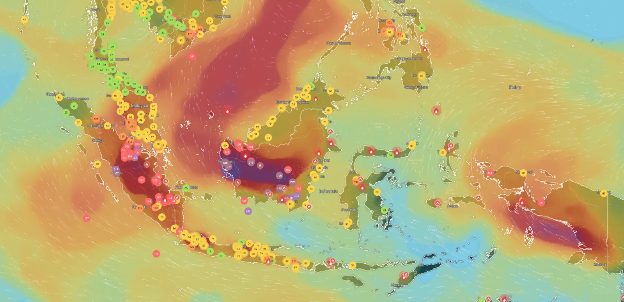
- Smoke knows no borders: Smoke from fires in Sumatra and Borneo has affected air quality in Malaysia and Singapore, as well as Indonesia.
- Growing pressure on health and education: Poor air quality has contributed to school closures and increased hospital admissions, from increasing respiratory illness.
- Wildlife is being affected: Fires and smoke are destroying habitats and threatening wildlife. An orangutan reportedly died after suffering from hypoxia in a fire affected area.
- Large scale firefighting efforts: Indonesian authorities have deployed more than 54,000 personnel and aircraft to fight the fires.
- Cloud seeding is being used: Indonesia and neighbouring countries have attempted cloud seeding (a type of weather modification by which iodide is introduced to improve/encourage a clouds ability to produce rain or snow) to increase rainfall and support firefighting, although its effectiveness depends on suitable atmospheric conditions.
Why This Is Getting Worse
Indonesia’s dry season naturally increases wildfire risk, but El Niño has intensified dry conditions in 2026, reducing rainfall and drying vegetation and peatlands.
Research in Indonesian Borneo found that the risk of severe fires is 2.7 times higher during El Niño, as prolonged dry conditions make forests and peatlands more vulnerable to burning.
The risk may also have a polar climate connection. Arctic warming and sea ice loss can influence atmospheric circulation (large scale movements of air that transport heat and moisture around the planet) far beyond the Arctic. Climate modelling suggests that continued Arctic sea ice loss could increase the frequency of strong El Niño events. This potentially creates more frequent conditions favorable to drought and wildfires in Indonesia. One study estimated that Arctic sea ice loss could account for 37–48% of the projected increase in strong El Niño events by the end of the century.
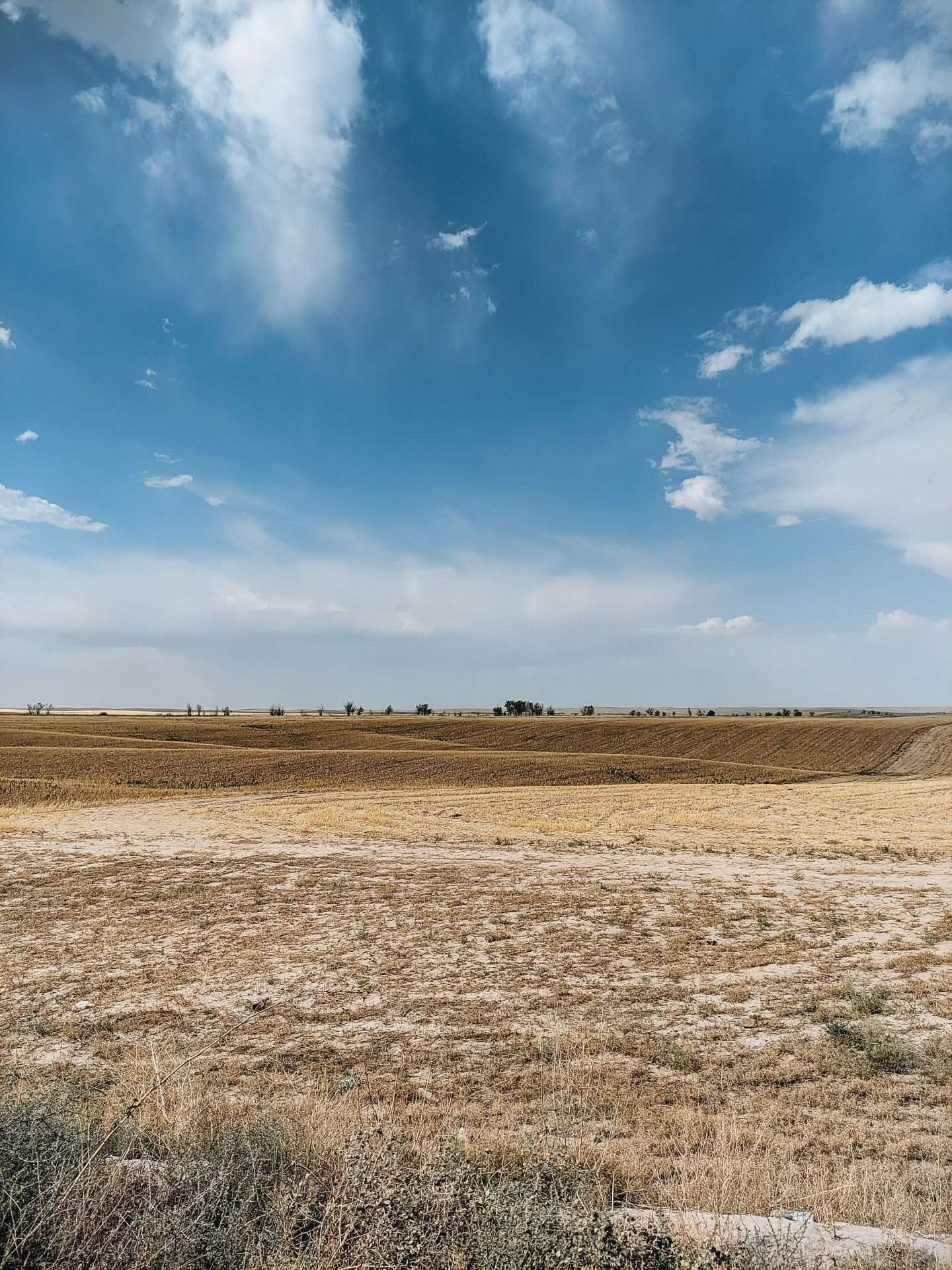
While this connection remains an active area of research, it illustrates how Arctic climate change can have consequences for wildfire risk thousands of kilometres away.
What This Means for People
- Higher health risks: Fine particles in wildfire smoke can penetrate deep into the lungs and increase respiratory and cardiovascular risks.
- Greater exposure for outdoor workers: Farmers, emergency responders, and other outdoor workers may face prolonged exposure to smoke during the fire season.
- Disruption to essential services: Severe haze can lead to school closures, reduced outdoor activity, and increased pressure on healthcare services.
- Economic impacts: Fires can disrupt agriculture, tourism, transport and local livelihoods, in affected rural areas.
- Long distance pollution: Smoke can travel across borders, affecting air quality and communities in Malaysia and Singapore.
- Longer term risks: Repeated fires can degrade forests and peatlands, reducing ecosystem services (such as carbon storage, water regulation, soil protection and wildlife habitat) and increasing future vulnerability to fire and drought.
Protecting & Improving during Extreme Heat: What Needs to Change Systemically
- Protect and restore peatlands: Prevent peatland drainage and degradation and strengthen fire prevention.
- Improve early warning: Expand satellite monitoring and local fire detection to identify fires before they spread.
- Protect public health: Strengthen air quality warnings, clean air facilities and access to respiratory healthcare. For example, real time SMS or app alerts, and mobile respiratory health clinics.
- Improve land management: Reduce uncontrolled burning for land clearing and promote safer alternatives. Examples are mulching and composting of crop residues, rewetting and maintaining higher water levels and controlled grazing or managed vegetation removal.
- Protect biodiversity: Strengthen forest protection and restore habitats damaged by repeated fires.
- Strengthen regional cooperation: Coordinate wildfire and haze responses across Indonesia, Malaysia and Singapore.
- Reduce carbon pollution: Address the longer-term climate drivers contributing to more extreme heat and dry conditions.
What YOU Can Do
- Monitor air quality: Check the Indonesian Ministry of Environment’s ISPU (Indeks Standar Pencemar Udara) platform for local air quality readings and pollution levels.
- Reduce exposure: Stay indoors and limit strenuous outdoor activity when air pollution reaches hazardous levels.
- Protect vulnerable people: Take additional precautions for children, older adults and people with respiratory or cardiovascular conditions.
- Support forest protection: Support organisations working on forest and peatland protection, restoration and wildlife conservation, such as BOS Foundation, Pantau Gambut, WALHI and Yayorin.
- Stay informed: Follow local emergency and health authorities for updates during wildfire and haze events.
- Subscribe to our Climate Alert Bulletin for monthly updates on how global climate risks impact you.
Read more: Extreme weather events | Health risks | Climate Risks Daily
Original source: Haze-choked Indonesia records more than 170,000 respiratory cases
What You Can Do?
Join the Fight Against World's Climate Crisis
SubscribeDiscover global climate challenges and the Polar connection
Spread the WordShare this page to raise awareness
Read More From the Global Risks Category
- Latest News
Caption Text Global Greenhouse Gas Levels Reach Record Highs
Our agriculture, transportation, fossil fuel industry, Global greenhouse gas levels have reached high records. The World Meteorological Organization (WMO)... - Latest News
Caption Text Home for Christmas? What El Niño’s rains could mean for your journey and your family meal
Your holiday celebrations begin long before the meal is served. There is a lot to plan, someone to call... - Latest News
Caption Text Could Your Child’s Cough Be Caused by Air Pollution?
A child develops a cough during the dry season. In many communities, it is attributed to dust, changing weather,... - Latest News
Caption Text Air Pollution Is Putting Skin Health at Risk in India
If your skin feels drier, more sensitive or more breakout-prone every winter, you may have put it down to... - Latest News
Caption Text Storm Boelo Disrupts Power Supply to 90,000 UK Properties
Storm Boelo disrupted power supply in the UK. It brought severe winds and flooding to some parts of Scotland... - Latest News
Caption Text Arctic Permafrost Thaw Contaminates Drinking Water in Norwegian Town
Residents of Longyearbyen, a town in Norway’s Svalbard group of islands, have been advised not to drink tap water...


All Global Risks posts
