
March 14, 2023

Latest News
Malawi is considered highly vulnerable to climate change due to the climate impacts it experiences, and relatively limited resources to adapt.
Malawi has a notoriously fragile water system due to its reliance on rivers and inland lakes. In recent decades, the Lake Malawi and Shire River basins have experienced an increase in drought, both from a lack of rainfall and consequential low water levels in rivers and lakes. With average temperatures projected to increase by 1-3°C by 2050, drier conditions and increased human demand will further threaten water security. Though overall rainfall may decrease, Malawi will likely be subject to more extreme rainfall events, for example in cyclones. Malawi was battered by record-breaking Cyclone Freddy in February and March 2023, with hundreds dead and thousands of homes destroyed.
Freddy is also an example of how the changing climate can have devastating impacts on public health in Malawi. The cyclone spurred Malawi’s worst-ever cholera outbreak, as it destroyed sanitary infrastructure and left many people without access to clean water. As of October 2023, Malawi had seen 59,075 cases of cholera and 1,769 deaths, making it the country’s worst cholera outbreak in 20 years (UNICEF). Heavy rainfall events, higher temperatures, and flooding are actively associated with more cases of diarrhoeal disease. Warming also increases the threat of mosquito-borne illnesses like malaria, dengue, and Zika, as mosquitoes can survive longer and at higher altitudes than before.
Droughts also have knock on effects on the Malawi’s agriculture and energy production, the latter of which is largely dependent on hydroelectricity. Energy production along the Shire River has experienced up to 66% reductions from its peak performance due to low water levels, resulting in energy rationing across Malawi.
Warming in the Arctic is a major factor affecting warming on a global scale. Arctic warming is outpacing warming globally by fourfold, and Arctic sea ice has drastically declined. When reflective ice is lost, more sunlight is absorbed as heat by the ocean, which drives a positive feedback loop that accelerates warming in the Arctic and around the world. Not only does the Arctic influence rising temperatures in Malawi, but it also alters precipitation patterns that affect the population locally. Additionally, the warming polar regions increase cyclonic activity off the nearby coasts of Mozambique and Tanzania, which have led to devastating storms extending inland.
Most of Malawi’s agriculture is rainfed, which means any change in precipitation can have significant impacts on the country’s agricultural sector. With increased temperatures and decreased rainfall projected for the next century, these crops are highly vulnerable to water stress. Adaptation initiatives must urgently be scaled up in Malawi to avoid further negative impacts from climate change. Some Malawians have found success in agroforesty, a technique that integrates trees into traditional agricultural settings to increase resilience to extreme events like floods and droughts.
Still, wealthier, high-emitting countries that have driven the climate crisis must step up both in reducing emissions and in financing adaptation in Malawi and other climate vulnerable countries. Wealthy countries and organisations have been promising upwards of US$100 billion in funding since COP15 in 2009 to poorer countries to combat the effects of the climate crisis. At COP26, a new initiative was launched to generate $40 billion per year but only about half of the funding materialised. The following year, a historic Loss and Damages fund was established, but the parameters have yet to be determined. Despite being a low emitter of greenhouse gases, Malawi is suffering the impacts of the climate crisis and international funding is crucial to adapt.
Read more about food insecurity here.
Read more about water insecurity here.
Read more about health risks here.
Read more about extreme weather here.
What You Can Do?
Join the Fight Against World's Climate Crisis
SubscribeDiscover global climate challenges and the Polar connection
Spread the WordShare this page to raise awareness
Read More From the Global Risks Category
- Latest News
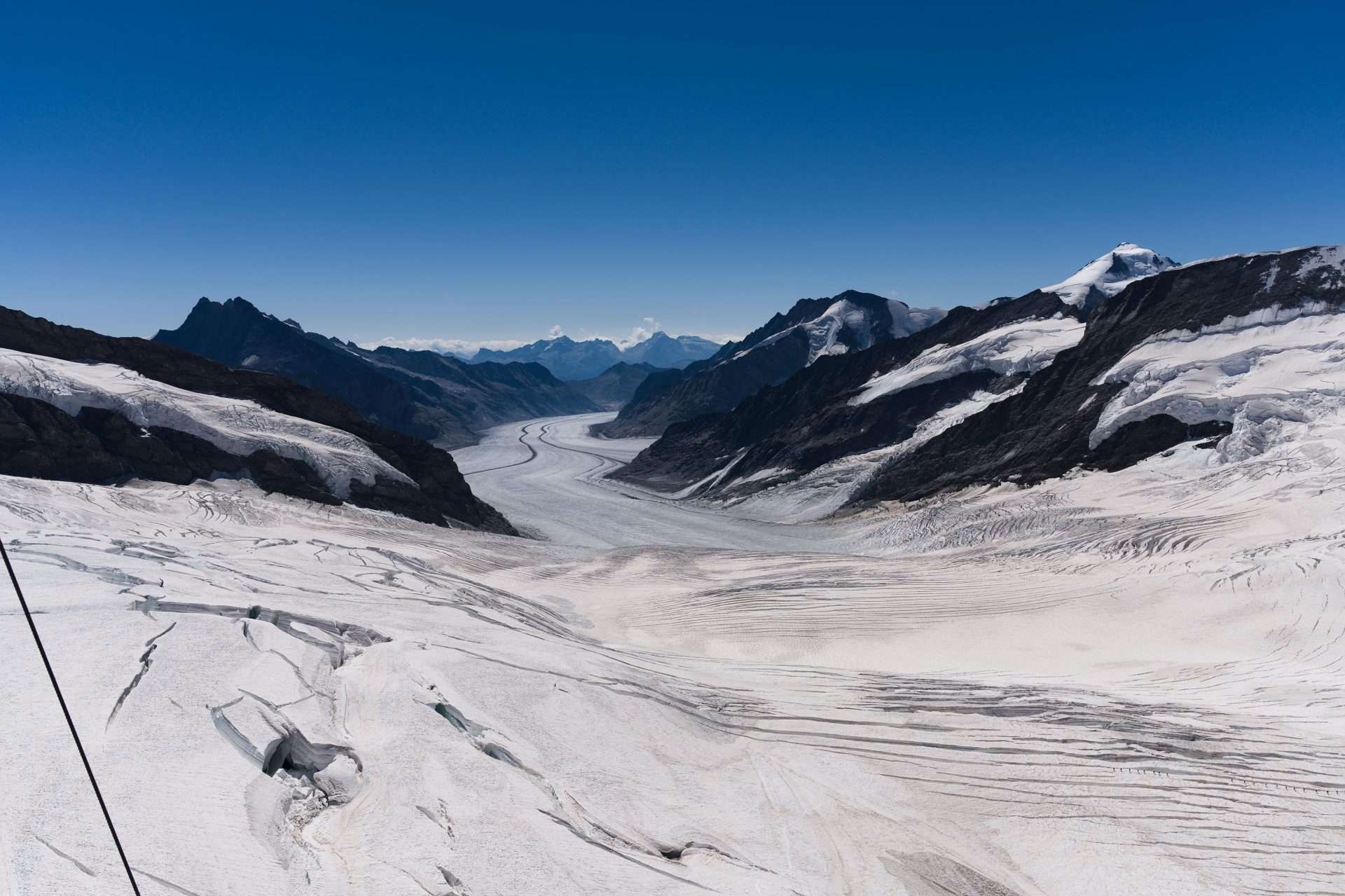
Caption Text Swiss Glaciers Have Lost Almost 20% of Their Ice Since 2021
A winter with very little snowfall followed by intense heatwaves from May to September left glaciers without their protective... - Latest News
Caption Text Rooftop Revolution in France: Why Big Buildings Are Going Green
France is making rooftops part of its response to climate change. Instead of treating roofs as unused building space, new... - Latest News
Caption Text Half of Europe Experienced Very Strong Heat Stress During Summer 2026
More than half of Europe experienced very strong heat stress at some point during summer 2026, as repeated heatwaves pushed temperatures... - Latest News
Caption Text Europe’s Climate Change Bill Is Growing
Climate change is already creating a growing financial burden across Europe. Between 1980 and 2024, weather and climate related... - Latest News
Caption Text By 2030, Most Families in Ethiopia, Malawi, and Nigeria Won’t Be Able to Afford a Healthy Meal
By 2030, more than 90% of people in Malawi and Nigeria, and 75% in Ethiopia, won’t be able to... - Latest News
Caption Text Global Rivers Are Losing Oxygen as the Climate Warms
Rivers around the world are losing dissolved oxygen, an essential condition for healthy freshwater ecosystems. A 2026 study published in Science Advances analysed 21,439...





All Global Risks posts
