
October 18, 2023

Latest News
From violence and insecurity, to progress on its SDG targets and food and water insecurity, climate change lies behind many of Nigeria’s most crippling crises. The global climate emergency is also having a profound impact on the nation’s health, as exemplified by recent extreme weather events that contributed to a surge in preventable diseases such as cholera.
Nigeria typically experiences its annual rainy season from June to September. Last year, significant precipitation led the country to experience the most severe flooding disaster in more than a decade. The 2022 floods impacted an estimated 4.4 million people and resulted in a death toll of more than 660, with more than 2.4 million displaced. They damaged more than 676,000 hectares of farmland, impacting the country’s levels of hunger and malnutrition. More than 19.5 million people in Nigeria were already facing severe food insecurity before the floods. (OCHA, 2022)
To adapt and prevent a recurrence of last year’s devastation, the Nigerian Government activated its national response plan last July. This action underscored the importance of early warning systems, as it placed several states on alert before another expected round of annual flooding. (AP News, July 2023)
The International Rescue Committee (IRC) warned that the deadly flooding resulted in a major spike in cholera cases and other preventable diseases in Nigeria last year. In fact, Nigeria recorded over 20,000 cholera cases in 2022, resulting in nearly 500 fatalities. This year, more than 2,300 cases had resulted in 57 reported deaths by July. (WHO, 2022, 2023)
The Arctic plays a crucial role in regulating the Earth’s climate system, and disruptions in the Arctic can have far-reaching effects globally, including in Nigeria. Arctic warming results in the melting of sea ice, which in turn results into increased global warming. The rising temperatures influence weather patterns, including rainfall variability and extreme events, in different parts of the world, including Nigeria. Additionally, disruptions in the Arctic can influence atmospheric circulation patterns, such as the jet stream, which can affect weather patterns in distant regions. Changes in the jet stream can lead to shifts in rainfall patterns, droughts, or extreme weather events in Nigeria.
Despite accounting for less than 1% of global emissions, Nigeria is ranked among the bottom 20% of nations prepared to address the impacts of climate change. This country bears the brunt of a global climate emergency for which it is not responsible. The world’s top carbon emitters must take action and support countries like Nigeria before more innocent people die from preventable diseases and suffer the devastating consequences of climate change.
Read our blog: SDGs On Thin Ice: Arctic Warming and Climate Crisis in Nigeria
Read more about extreme weather here.
Read more about food insecurity here.
Read more about health risks here.
Read more about SDGs here.
What You Can Do?
Join the Fight Against World's Climate Crisis
SubscribeDiscover global climate challenges and the Polar connection
Spread the WordShare this page to raise awareness
Read More From the Global Risks Category
- Latest News
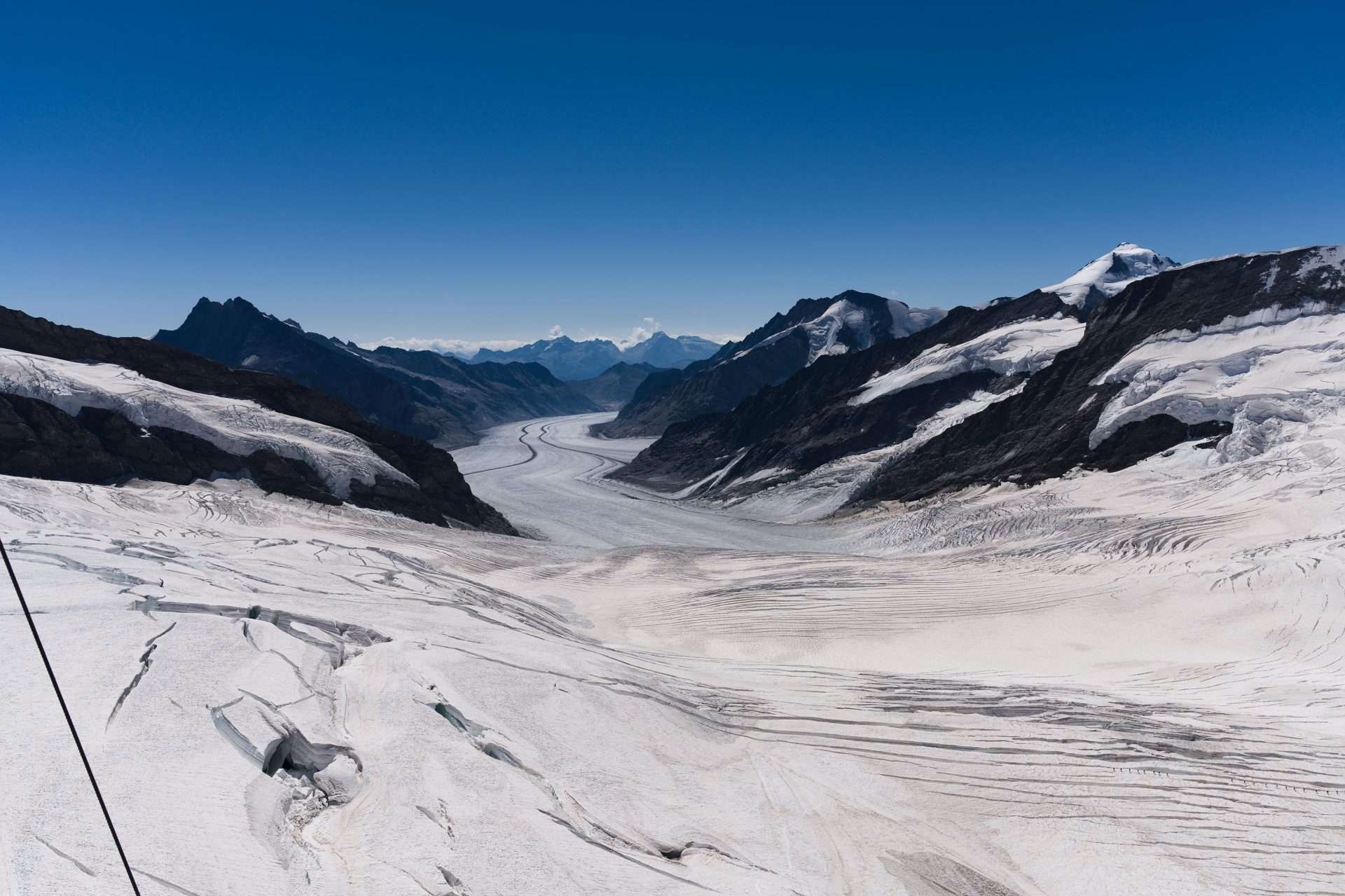
Caption Text Swiss Glaciers Have Lost Almost 20% of Their Ice Since 2021
A winter with very little snowfall followed by intense heatwaves from May to September left glaciers without their protective... - Latest News
Caption Text Rooftop Revolution in France: Why Big Buildings Are Going Green
France is making rooftops part of its response to climate change. Instead of treating roofs as unused building space, new... - Latest News
Caption Text Half of Europe Experienced Very Strong Heat Stress During Summer 2026
More than half of Europe experienced very strong heat stress at some point during summer 2026, as repeated heatwaves pushed temperatures... - Latest News
Caption Text Europe’s Climate Change Bill Is Growing
Climate change is already creating a growing financial burden across Europe. Between 1980 and 2024, weather and climate related... - Latest News
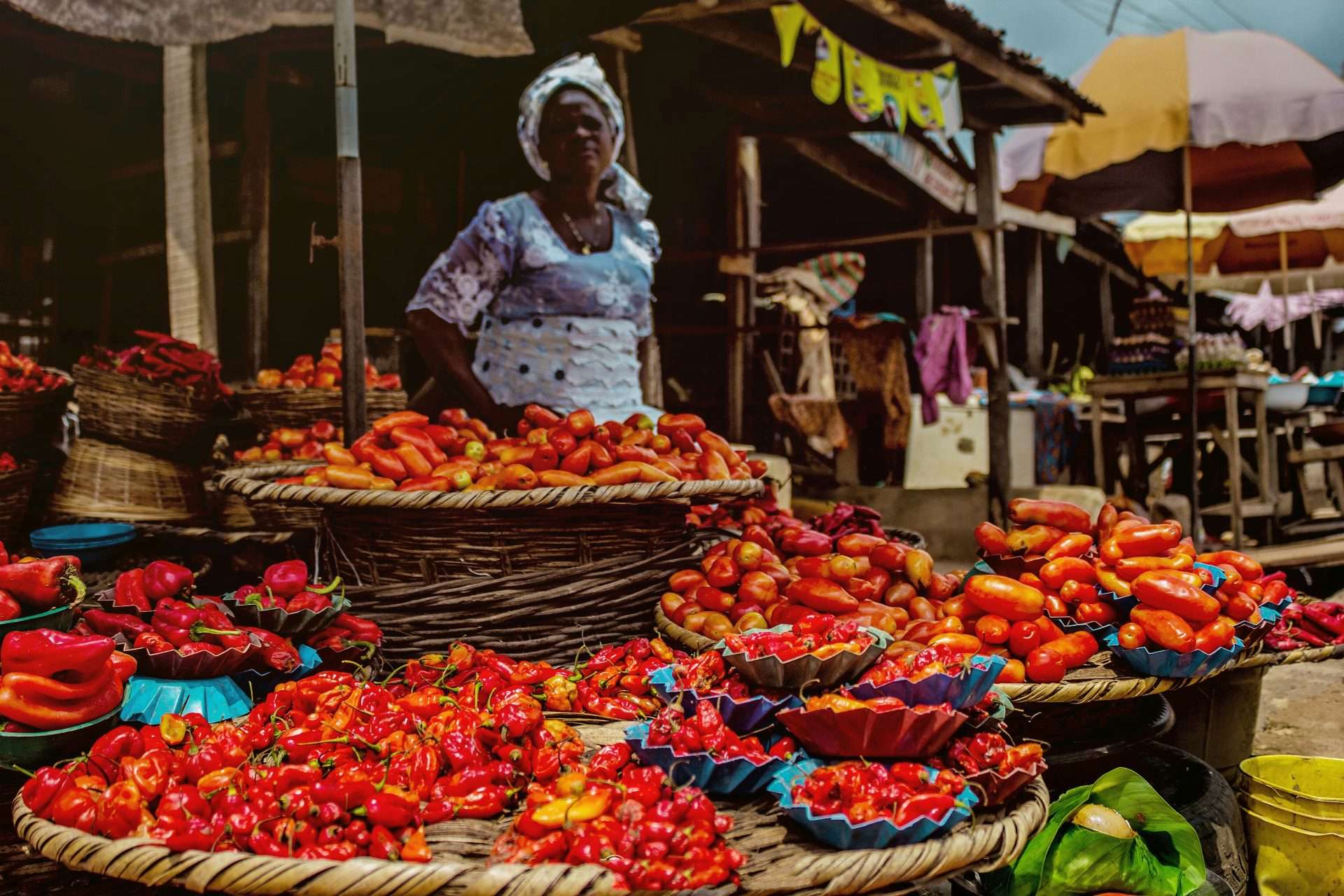
Caption Text By 2030, Most Families in Ethiopia, Malawi, and Nigeria Won’t Be Able to Afford a Healthy Meal
By 2030, more than 90% of people in Malawi and Nigeria, and 75% in Ethiopia, won’t be able to... - Latest News
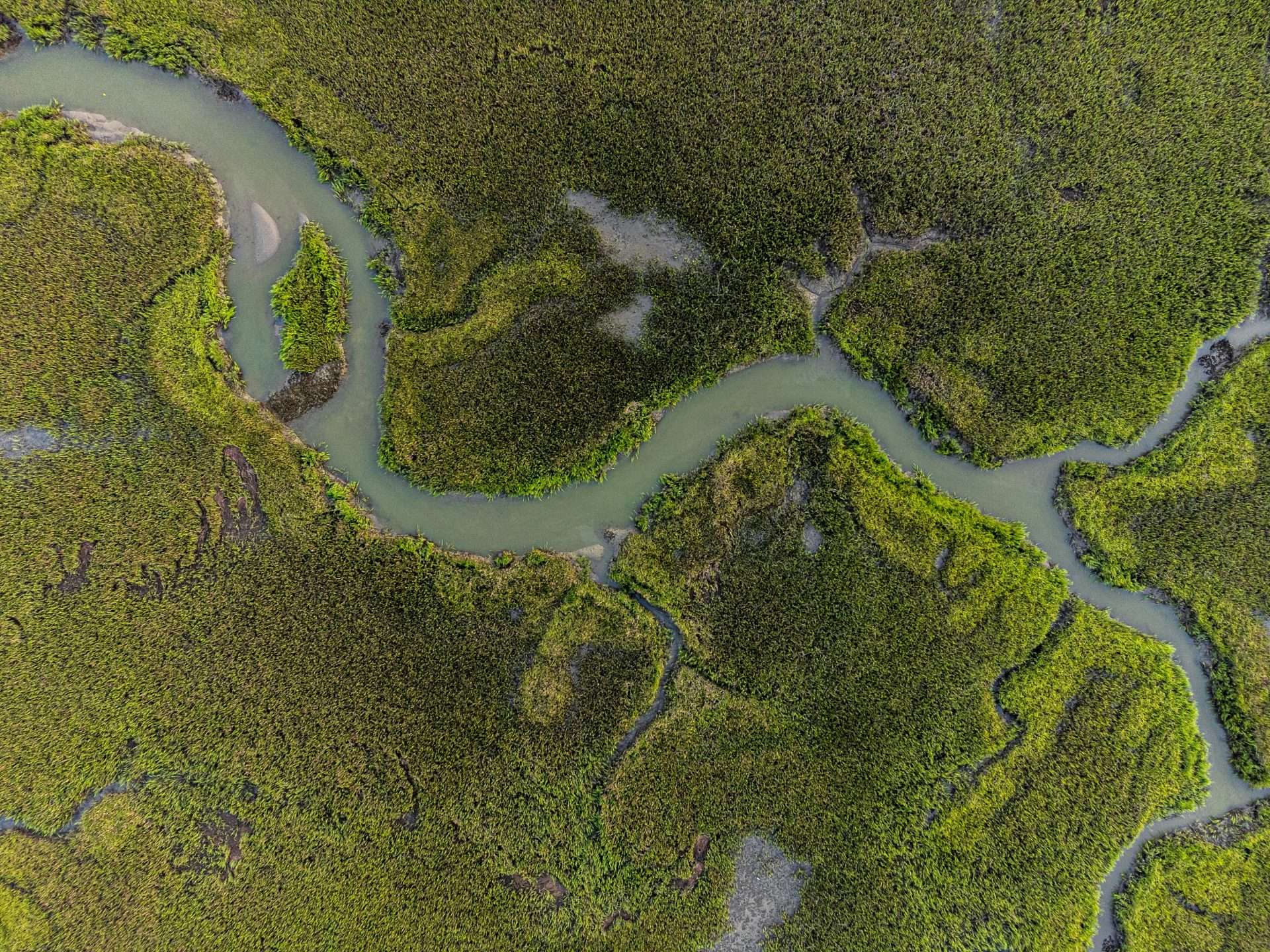
Caption Text Global Rivers Are Losing Oxygen as the Climate Warms
Rivers around the world are losing dissolved oxygen, an essential condition for healthy freshwater ecosystems. A 2026 study published in Science Advances analysed 21,439...



All Global Risks posts
