
November 22, 2024
Pacific Northwest Faces Deadly Bomb Cyclone: High Winds, Floods, and Snow
4 min read

Latest News
A rapidly intensifying storm termed a “bomb cyclone” swept through the Pacific Northwest on 19th November and 20th November 2024, unleashing devastating winds, torrential rain, and snow at higher elevations. The storm has left a trail of destruction, causing widespread power outages, road blockages, and fatalities. Power outages impacted over 400,000 residents across Washington, with the city of Seattle experiencing its largest blackout since 2006. In addition, there were 2 deaths recorded in Seattle.
Wind gusts in urban areas peaked at 70 mph, with even stronger gusts of 75 mph recorded in mountainous regions. These winds have collapsed trees, damaged homes, and disrupted transportation networks. This deluge, combined with high winds, poses a high risk of flooding, debris flows, and rockslides. The National Weather Service warned that the storm will transition into blizzard conditions at higher altitudes in the Cascade Mountains, with wet snow compounding the hazards.
A bomb cyclone develops through a process called bombogenesis, where a storm intensifies rapidly, with atmospheric pressure dropping at least 24 millibars within 24 hours. This phenomenon occurs when cold air masses collide with warm, moisture-laden air, typically over oceanic regions. In the Pacific Northwest, this bomb cyclone drew warm air from the Pacific, fueling its strength and leading to extreme weather impacts.
Compounding the storm’s severity was an accompanying atmospheric river, a concentrated corridor of atmospheric moisture often referred to as a “river in the sky.” These systems carry immense amounts of water vapor from the tropics, releasing it as intense rainfall when encountering cooler air or mountainous terrain. This particular atmospheric river has significantly amplified rainfall across the Pacific Northwest and Northern California, heightening risks of flooding, debris flows, and rockslides.
Atmospheric rivers are increasingly influenced by polar changes driven by global warming. Rising temperatures add more water vapor to the atmosphere, enhancing the intensity of these systems. They are shifting poleward due to La Niña conditions, which expand tropical rainfall belts, and greenhouse gas-induced changes such as rising atmospheric and ocean temperatures that push midlatitude jet streams northward. Additionally, warming accelerates evaporation from oceans and continents, intensifies moisture transport from lower latitudes, and increases sublimation of Arctic ice and snow. These shifts result in fewer atmospheric rivers in the subtropics, amplifying droughts, while higher latitudes experience more extreme rainfall and flooding. Frequent atmospheric rivers in the Arctic could accelerate sea ice melt, further amplifying global warming and disrupting regional ecosystems.
In the case of the bomb cyclone in the Pacific northwest, forecasts warn of heavier rainfall and snowfall at higher elevations as the atmospheric river persists. With wind gusts expected to reach 60 mph, whiteout conditions and additional strain on emergency services are likely in affected areas. This combination of phenomena highlights the dynamic and destructive power of extreme weather systems amplified by climate change in coastal and mountainous regions.
This bomb cyclone serves as a stark reminder of the urgent need to address the root causes of climate change, which amplify the severity and frequency of such extreme weather events. The rapid phase-out of fossil fuels is essential to curtail greenhouse gas emissions and stabilize the global climate system. Increased investment in renewable energy projects can provide sustainable alternatives, reducing dependence on carbon-intensive fuels. Moreover, protecting the polar regions from new oil extraction projects is critical to preventing further warming and preserving fragile weather systems and ecosystems that regulate the planet’s climate. As COP 29 concludes, we urge global leaders to champion a united commitment to accelerating the clean energy transition and protecting our polar regions. Global commitment and efforts are vital for mitigating the impacts of climate change and building resilience against future disasters.
Feature image: Windgusts near Seattle, 20th Nov, 2024. Credit: Ventusky.
For more such stories check out Climate Risks Daily
What You Can Do?
Join the Fight Against World's Climate Crisis
SubscribeDiscover global climate challenges and the Polar connection
Spread the WordShare this page to raise awareness
Read More From the Global Risks Category
- Latest News
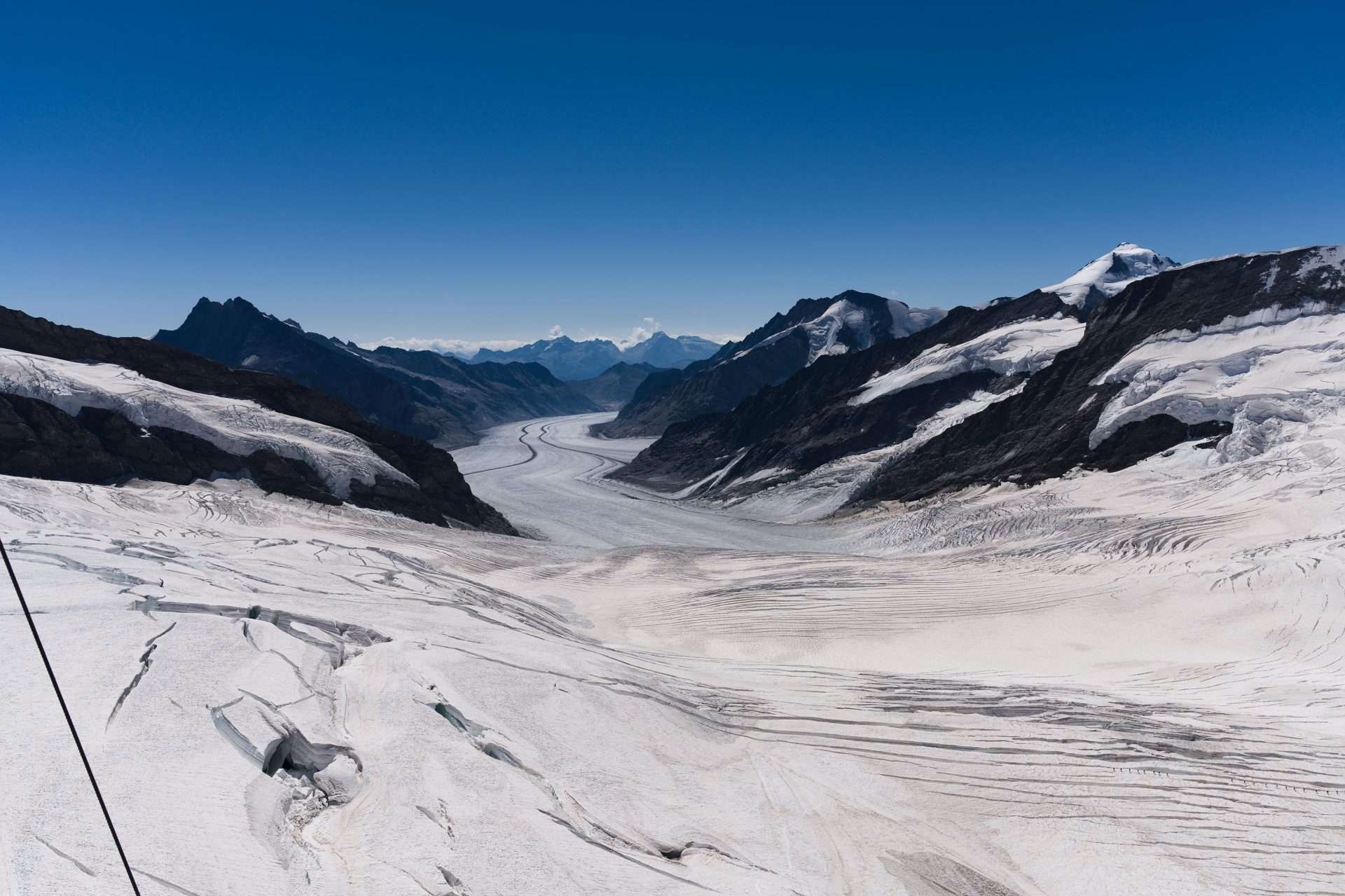
Caption Text Swiss Glaciers Have Lost Almost 20% of Their Ice Since 2021
A winter with very little snowfall followed by intense heatwaves from May to September left glaciers without their protective... - Latest News
Caption Text Rooftop Revolution in France: Why Big Buildings Are Going Green
France is making rooftops part of its response to climate change. Instead of treating roofs as unused building space, new... - Latest News
Caption Text Half of Europe Experienced Very Strong Heat Stress During Summer 2026
More than half of Europe experienced very strong heat stress at some point during summer 2026, as repeated heatwaves pushed temperatures... - Latest News
Caption Text Europe’s Climate Change Bill Is Growing
Climate change is already creating a growing financial burden across Europe. Between 1980 and 2024, weather and climate related... - Latest News
Caption Text By 2030, Most Families in Ethiopia, Malawi, and Nigeria Won’t Be Able to Afford a Healthy Meal
By 2030, more than 90% of people in Malawi and Nigeria, and 75% in Ethiopia, won’t be able to... - Latest News
Caption Text Global Rivers Are Losing Oxygen as the Climate Warms
Rivers around the world are losing dissolved oxygen, an essential condition for healthy freshwater ecosystems. A 2026 study published in Science Advances analysed 21,439...





All Global Risks posts
