
December 9, 2025
U.S. Braces for a Harsh December as Polar Patterns Shift
3 min read

Latest News
Feature image: Global Probability Map of Below-Normal (0–20%) 2-Metre Temperatures for December 2025. Image credit: MicroEnsemble – MicroDuet Forecast System, Judah Cohen, X.
Meteorologists are warning that a major shift in atmospheric patterns could bring a chilly and volatile December to large parts of the United States. While exact forecasts are still evolving, early signals point to a significant cold outbreak, driven by unusual disturbances in the polar vortex and broader climate patterns.
Key Developments
- Unusual early disruption of the polar vortex, the band of winds that normally keeps the coldest Arctic air locked near the North Pole. This rare late-November disturbance is allowing frigid air to push southward.
- Colder-than-normal temperatures are likely across the northern and eastern United States through mid-December as weakened polar vortex winds let Arctic air spill into the region.
- Potential for a major cold outbreak from the Canadian Plains to the U.S. East Coast in the third week of December, as forecast models show the vortex stretching and sending deeper cold farther south.
- A weak La Niña pattern (characterized by cooler-than-average equatorial Pacific sea surface temperatures that typically favor a colder U.S. seasonal climate response) is reinforcing this shift, increasing the likelihood of a colder and more winter-like December.
Why This Is Happening
The atmosphere is undergoing an unusually early disturbance in the polar vortex, the band of strong winds that keeps the coldest Arctic air trapped near the pole. When weakened or distorted, this cold air can spill southward.
A rare sudden stratospheric warming (SSW) event is also possible; an abrupt warming high above the pole that disrupts the vortex and often precedes major cold-air outbreaks. Events like this typically occur in mid-winter, not late November, making this year particularly uncertain.
Climate and Polar Change Connection
Rapid warming in the Arctic, occurring at an average rate four times faster than the global average, is destabilizing polar atmospheric systems. Loss of sea ice, shifting jet streams, and more frequent polar vortex disturbances are increasingly linked to erratic winter weather in mid-latitudes.
Urgent Response Needed
- Enhance Arctic monitoring and early-warning systems to better anticipate polar-driven extreme weather.
- Strengthen regional climate resilience, including winter storm preparedness and energy-grid stability.
- Accelerate global emissions reductions to slow Arctic warming and reduce future disruption risks.
Read more: Extreme weather events | Health risks | Climate Risks Daily
Original source:Cold and snowy weather could be coming for many, thanks to the polar vortex – ABC News
Tags
What You Can Do?
Join the Fight Against World's Climate Crisis
SubscribeDiscover global climate challenges and the Polar connection
Spread the WordShare this page to raise awareness
Read More From the Global Risks Category
- Latest News
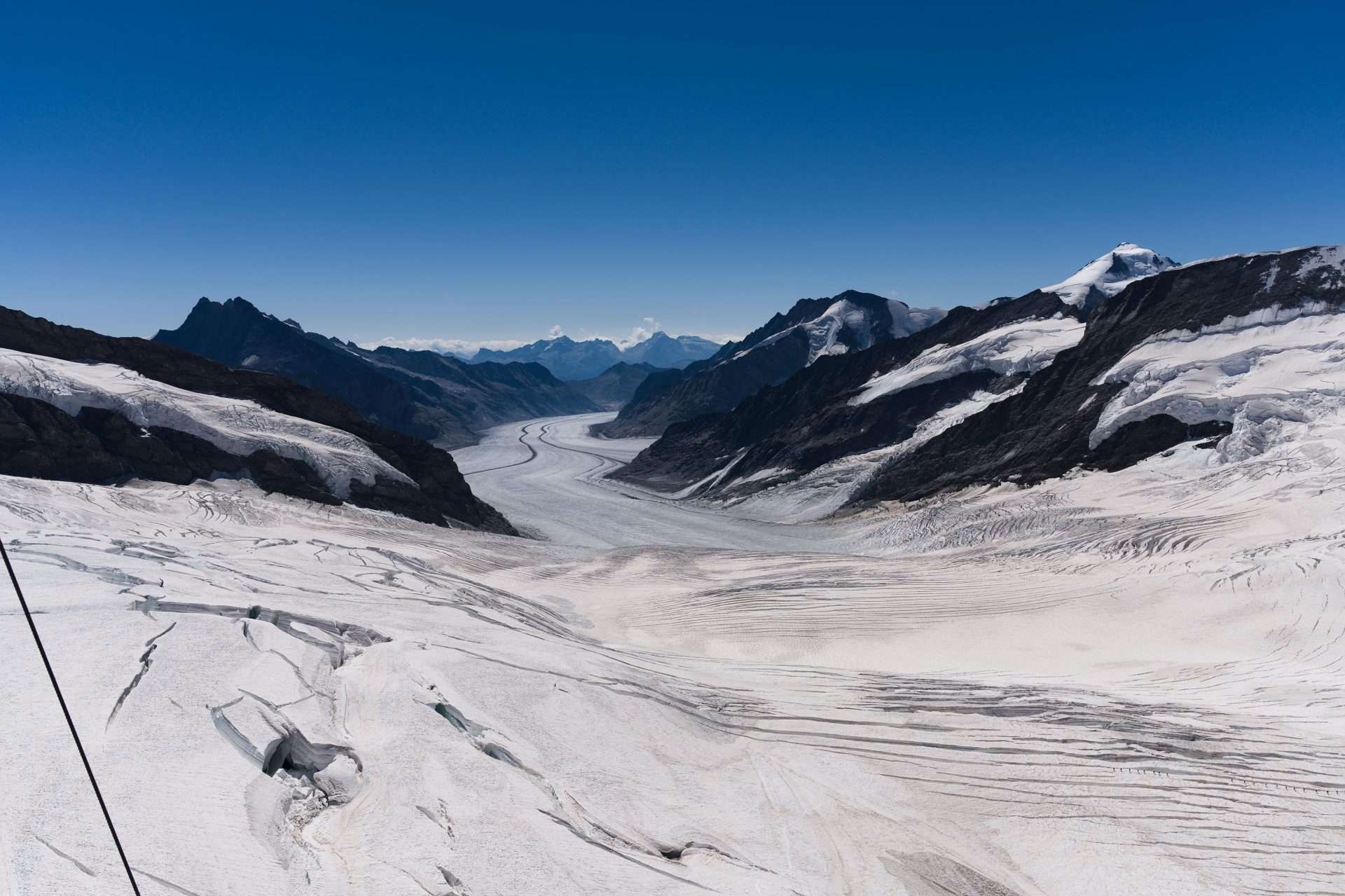
Caption Text Swiss Glaciers Have Lost Almost 20% of Their Ice Since 2021
A winter with very little snowfall followed by intense heatwaves from May to September left glaciers without their protective... - Latest News
Caption Text Rooftop Revolution in France: Why Big Buildings Are Going Green
France is making rooftops part of its response to climate change. Instead of treating roofs as unused building space, new... - Latest News
Caption Text Half of Europe Experienced Very Strong Heat Stress During Summer 2026
More than half of Europe experienced very strong heat stress at some point during summer 2026, as repeated heatwaves pushed temperatures... - Latest News
Caption Text Europe’s Climate Change Bill Is Growing
Climate change is already creating a growing financial burden across Europe. Between 1980 and 2024, weather and climate related... - Latest News
Caption Text By 2030, Most Families in Ethiopia, Malawi, and Nigeria Won’t Be Able to Afford a Healthy Meal
By 2030, more than 90% of people in Malawi and Nigeria, and 75% in Ethiopia, won’t be able to... - Latest News
Caption Text Global Rivers Are Losing Oxygen as the Climate Warms
Rivers around the world are losing dissolved oxygen, an essential condition for healthy freshwater ecosystems. A 2026 study published in Science Advances analysed 21,439...



All Global Risks posts
