
September 18, 2022

Latest News
Uganda, located in East Africa, is significantly affected by climate change and experiencing impacts across different industries. Climate change is driven by multiple factors, including the changing Arctic, which contributes to global change and can have repercussions for Uganda.
Climate change poses risks to agriculture and food security in Uganda. Increasing temperatures, changes in rainfall patterns, and more frequent extreme weather events like droughts and floods can negatively affect crop yields and livestock health. Water resources are also vulnerable, with changes in rainfall patterns impacting water availability, leading to water scarcity and increased potential for waterborne diseases. Transmission of waterborne disease is known to increase after flooding as well as in times of reduced water availability when people have no choice but to rely on polluted water sources.
Uganda’s rich biodiversity and ecosystems are threatened by climate change. Shifts in vegetation patterns, altered species distributions, and habitat loss impact the wildlife and the ecosystem services provided to local communities. Rising temperatures contribute to increased heat-related illnesses, while changes in rainfall patterns can increase the prevalence of waterborne diseases.
The Arctic plays a role in driving climate change globally, which in turn affects Uganda. Arctic amplification and shifts in atmospheric circulation patterns can influence weather systems and precipitation patterns around the world, including in Uganda. Teleconnections, or large-scale atmospheric interactions, can transmit changes from the Arctic to distant regions, potentially affecting Uganda’s rainfall patterns and temperature regimes.
In northeastern Uganda, a prolonged drought in 2022 left more than 518,000 people hungry and resulted in the deaths of more than 200 people from starvation. Some regions affected by drought were then hit by floods in August, where at least 24 people died. Because dry ground has a reduced capacity to absorb water, the drought exacerbated flooding.
Uganda recognizes the importance of addressing climate change and has developed strategies and policies to mitigate and adapt to its impacts. Efforts include promoting sustainable agriculture, enhancing water resource management, conserving biodiversity, and improving public health systems. However, international cooperation and support are crucial to effectively cope with the challenges posed by climate change, including those driven by the Arctic.
Read more about health risks here.
Read more about food insecurity here.
Read more about water insecurity here.
Read more about extreme weather here.
What You Can Do?
Join the Fight Against World's Climate Crisis
SubscribeDiscover global climate challenges and the Polar connection
Spread the WordShare this page to raise awareness
Read More From the Global Risks Category
- Latest News
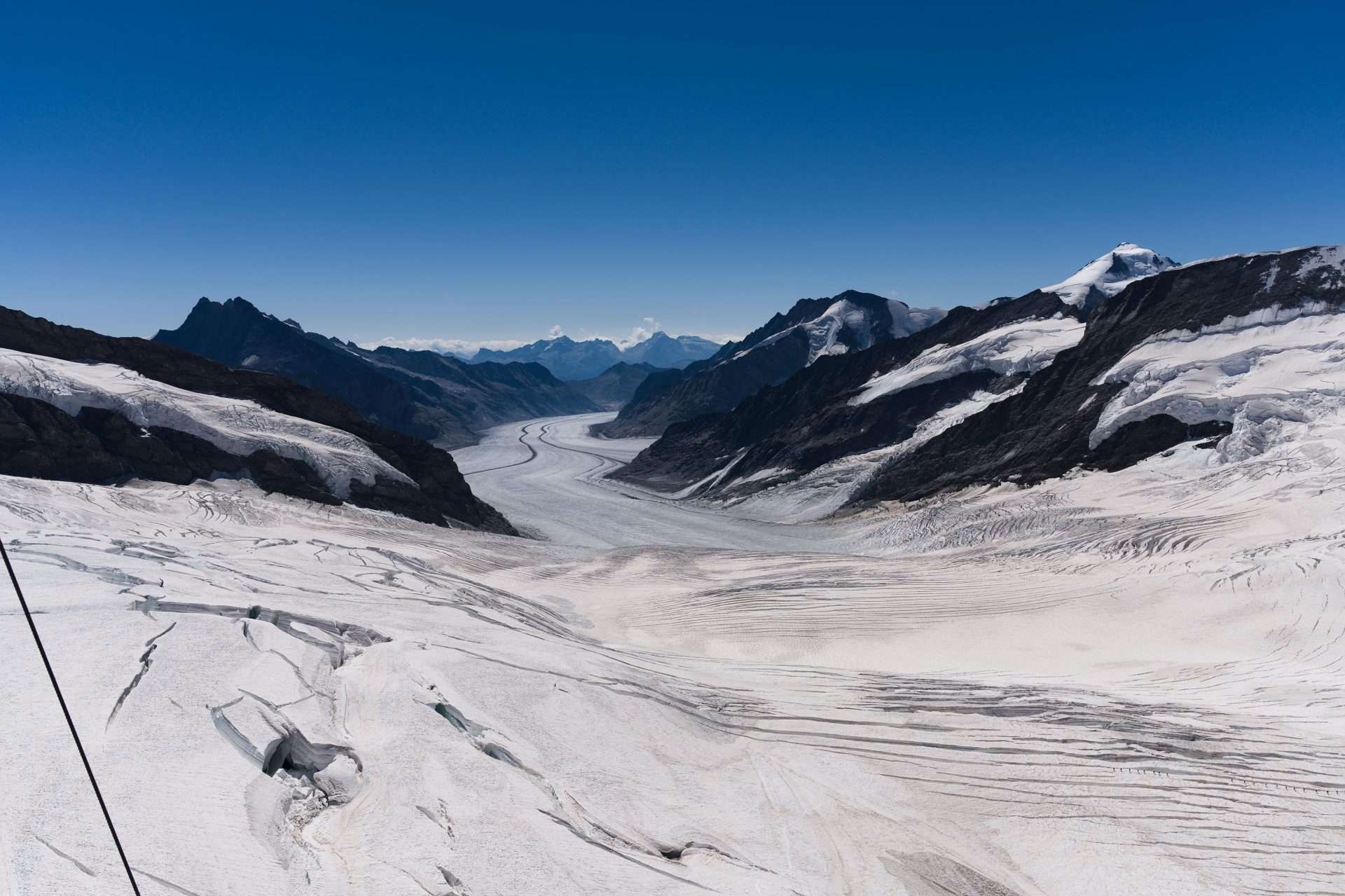
Caption Text Swiss Glaciers Have Lost Almost 20% of Their Ice Since 2021
A winter with very little snowfall followed by intense heatwaves from May to September left glaciers without their protective... - Latest News
Caption Text Rooftop Revolution in France: Why Big Buildings Are Going Green
France is making rooftops part of its response to climate change. Instead of treating roofs as unused building space, new... - Latest News
Caption Text Half of Europe Experienced Very Strong Heat Stress During Summer 2026
More than half of Europe experienced very strong heat stress at some point during summer 2026, as repeated heatwaves pushed temperatures... - Latest News
Caption Text Europe’s Climate Change Bill Is Growing
Climate change is already creating a growing financial burden across Europe. Between 1980 and 2024, weather and climate related... - Latest News
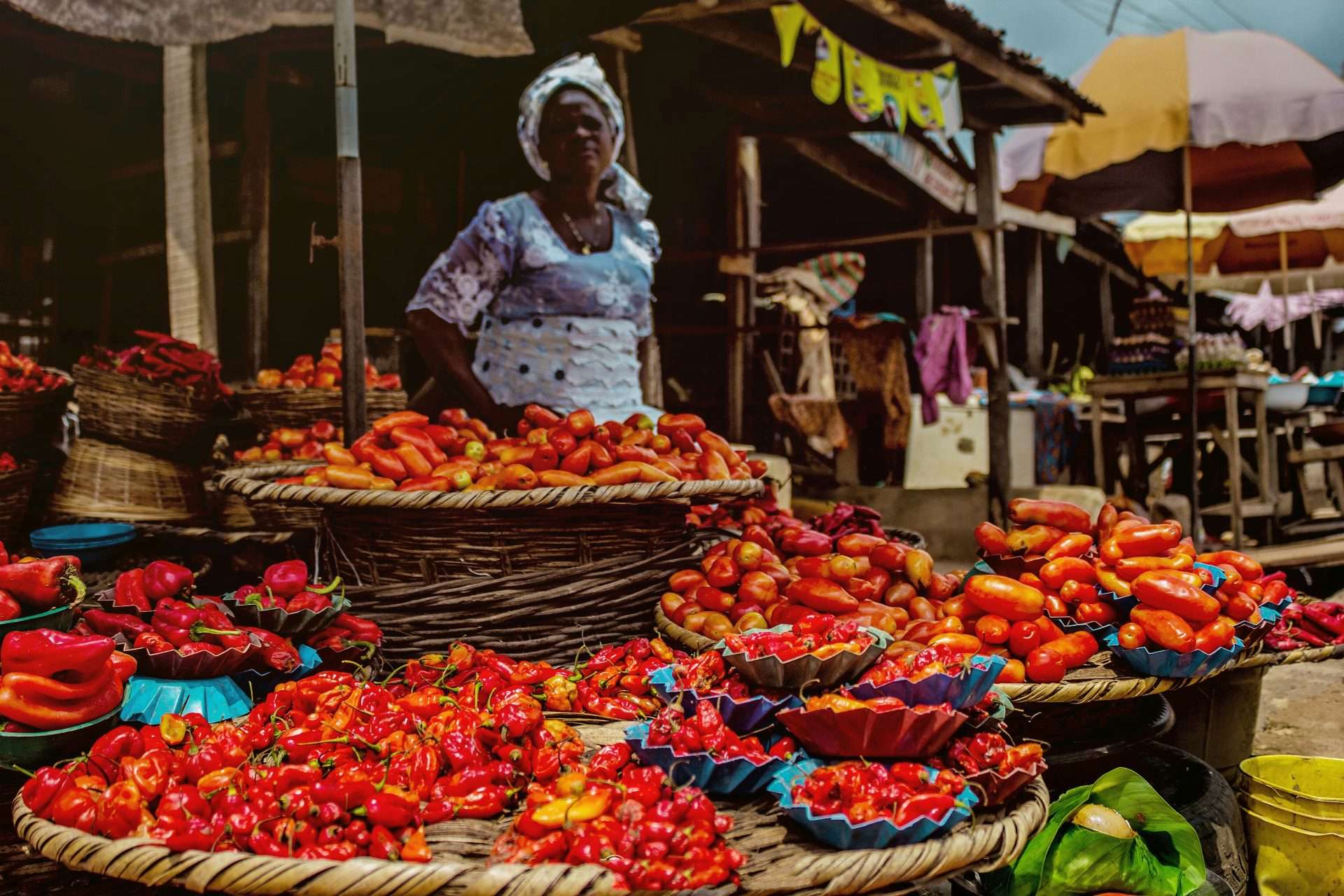
Caption Text By 2030, Most Families in Ethiopia, Malawi, and Nigeria Won’t Be Able to Afford a Healthy Meal
By 2030, more than 90% of people in Malawi and Nigeria, and 75% in Ethiopia, won’t be able to... - Latest News
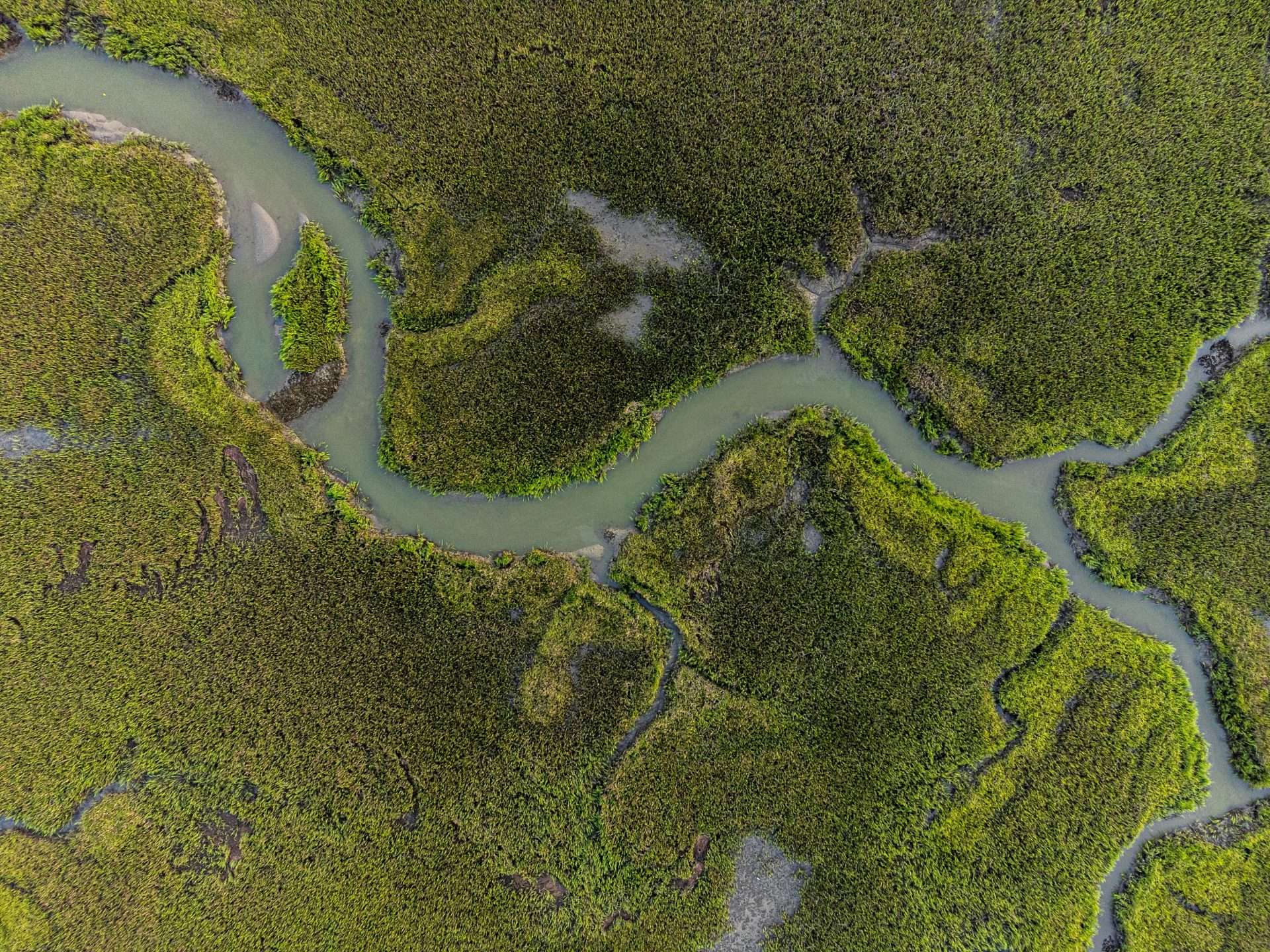
Caption Text Global Rivers Are Losing Oxygen as the Climate Warms
Rivers around the world are losing dissolved oxygen, an essential condition for healthy freshwater ecosystems. A 2026 study published in Science Advances analysed 21,439...



All Global Risks posts
