
March 10, 2026

Latest News
Patiala, India Railway Station by Naveen Sharma
A new study published in the Proceedings of the National Academy of Sciences finds that many Indian cities may heat up far faster than global climate models currently predict.
Researchers from the University of East Anglia analyzed temperature trends in 104 medium sized cities across tropical and subtropical regions, including 18 cities in India.
Their findings show that urban areas are consistently warm faster than surrounding rural regions, meaning people living in cities could face significantly stronger heat exposure in the future.
Key highlights
Across the cities studied:
- Urban areas warmed about 45% more than surrounding rural regions.
- Climate models projecting around 2.2°C warming for the region could mean 2.6–2.7°C in cities once urban effects are included.
- Some cities could experience even larger increases.
One striking example is Patiala in northern India, where temperatures could rise twice as fast as projected for nearby rural areas.
This means that if global climate models predict 2°C warming, the actual temperature increase inside the city could reach 4°C.

Legend:
Background colours show the level of regional warming in land surface temperature.
Red dots indicate cities where the urban heat island effect increases warming compared to surrounding rural areas.
Blue dots indicate cities where urban warming is similar to or lower than nearby rural areas.
Credit: (Berk et al. 2026)
Climate Change Context
The main reason is the urban heat island effect. Cities contain large areas of concrete, asphalt, and buildings that absorb and retain heat, while having less vegetation and moisture to provide natural cooling. In contrast, surrounding rural areas often have more vegetation that cools the land through evapotranspiration. As climate change increases moisture, rainfall, evapotranspiration and plant growth in some rural regions, these areas may warm more slowly, widening the temperature gap between cities and the countryside.
Health and Socioeconomic implications
Faster urban warming has major implications for public health and infrastructure.
Higher temperatures in cities can increase:
- Heat stress and heat related illness
- Demand for cooling and electricity
- Water stress in already vulnerable regions
- Public spending on heat adaptation measures
As climate change continues to intensify global heat extremes, urban populations could face the greatest risks.
Urgent Response Needed
Reducing future heat risks will require both climate mitigation and urban adaptation.
Cities can act by:
- Expanding urban tree cover and green spaces
- Designing cooler buildings and reflective surfaces
- Improving water management and urban ventilation
- Strengthening heat early warning systems
At the same time, reducing greenhouse gas emissions globally remains essential to limit the overall rise in temperatures.
Without stronger climate action, urban heat stress could become one of the most serious climate risks for rapidly growing cities across the tropics.
Read more about heat stress here.
Subscribe to our Climate Alert Bulletin for biweekly updates on how global climate risks impact you.
What You Can Do?
Join the Fight Against World's Climate Crisis
SubscribeDiscover global climate challenges and the Polar connection
Spread the WordShare this page to raise awareness
Read More From the Global Risks Category
- Latest News
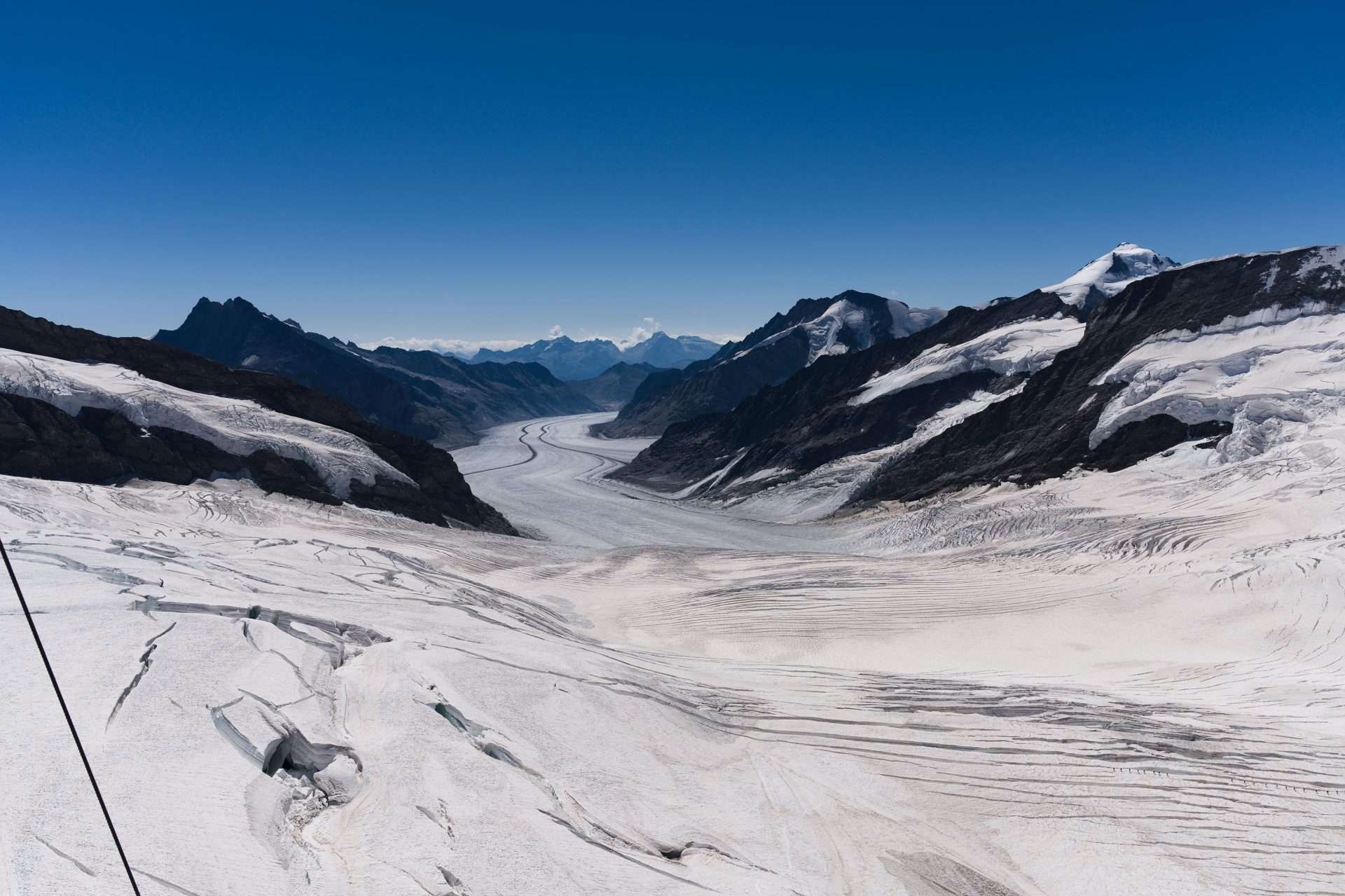
Caption Text Swiss Glaciers Have Lost Almost 20% of Their Ice Since 2021
A winter with very little snowfall followed by intense heatwaves from May to September left glaciers without their protective... - Latest News
Caption Text Rooftop Revolution in France: Why Big Buildings Are Going Green
France is making rooftops part of its response to climate change. Instead of treating roofs as unused building space, new... - Latest News
Caption Text Half of Europe Experienced Very Strong Heat Stress During Summer 2026
More than half of Europe experienced very strong heat stress at some point during summer 2026, as repeated heatwaves pushed temperatures... - Latest News
Caption Text Europe’s Climate Change Bill Is Growing
Climate change is already creating a growing financial burden across Europe. Between 1980 and 2024, weather and climate related... - Latest News
Caption Text By 2030, Most Families in Ethiopia, Malawi, and Nigeria Won’t Be Able to Afford a Healthy Meal
By 2030, more than 90% of people in Malawi and Nigeria, and 75% in Ethiopia, won’t be able to... - Latest News
Caption Text Global Rivers Are Losing Oxygen as the Climate Warms
Rivers around the world are losing dissolved oxygen, an essential condition for healthy freshwater ecosystems. A 2026 study published in Science Advances analysed 21,439...





All Global Risks posts
