
Speaking Science to People
The People Hub empowers you to understand and act on climate risks, connecting Polar change to your community’s future.
The climate emergency threatens us with cascading risks - from extreme weather to food insecurity and sea level rise - impacting every corner of the planet.
The climate emergency is the biggest crisis of our times, and it threatens us with a series of cascading risks. From intensified and more frequent extreme weather events to food and water insecurity and public health and humanitarian crises, sea level rise and economic losses, trade and supply chain disruption and cities too hot to live in, climate change is impacting every corner of the planet.
The Arctic is a turbocharger for these global climate risks. And it’s warming four times faster than the rest of the world.
The changing reality of people’s lives (2024-25)
- Around 4 billion people (nearly half the world's population) experienced at least 30 additional days of extreme heat between May 2024 and May 2025 because of human-caused climate change. In 195 countries and territories, climate change at least doubled the number of extreme heat days.
- Heat-related mortality has increased by 63% since the 1990s, with heat now contributing to an estimated 546,000 deaths each year worldwide.
- Around 123.7 million more people experienced moderate or severe food insecurity as more frequent droughts and heatwaves disrupted food production and livelihoods.
- US$1.09 trillion lost in labour productivity due to extreme heat.
- The average person experienced 16 additional days of dangerous heat in 2024 that would not have occurred without human-caused climate change, with infants and older adults facing over 20 extra heat days.
However, on a positive note, climate action is already delivering measurable benefits. An estimated 160,000 premature deaths are avoided each year due to reductions in coal-related air pollution. Renewable energy now supplies a record 12% of global electricity, supporting around 16 million jobs worldwide. In addition, two-thirds of medical students received training in climate and health in 2024, reflecting growing awareness of climate-related health risks in the medical field.
Is your country climate vulnerable?
According to the World Health Organization, approximately 3.6 billion people already live in highly climate-vulnerable regions, where rising heat, water stress, food insecurity, and disease are increasingly affecting daily life.
How does the Arctic impact global risks such as droughts, wildfires, food and water insecurity, sea level rise, cyclones and hurricanes where you live?
EXPLORE YOUR REGION:
Total Regional Site Visits
Interactive Tools
Interactive Tools for Climate Insight
- News
Iceberg Tool Iceberg Tool
With the Iceberger tool, you can draw your own iceberg and see how it would float in water. - News
Climate Risks Daily Climate Risks Daily
Explore Climate Risks Daily, our AI-driven tool that visualizes global climate threats updated daily. - News
Meltometer Meltometer
Explore the Arctic Sea Ice Meltometer, an interactive tool that visualizes the decline in Arctic sea ice. - News
Climate Calculator Climate Calculator
Have you ever wondered how much the world has warmed since you were born?


Latest People Stories
- Latest News
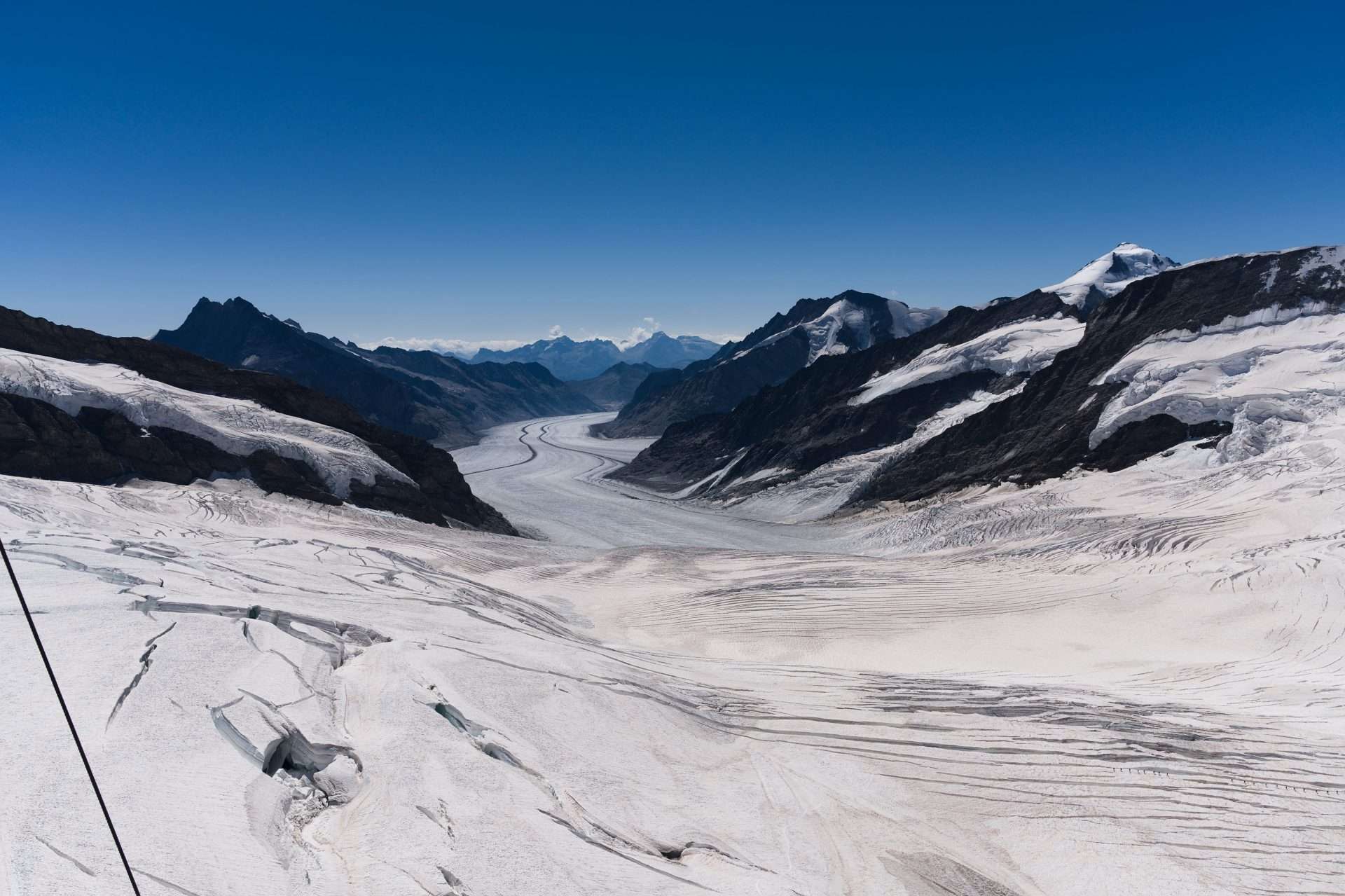
Caption Text Swiss Glaciers Have Lost Almost 20% of Their Ice Since 2021
A winter with very little snowfall followed by intense heatwaves from May to September left glaciers without their protective... - Latest News
Caption Text Rooftop Revolution in France: Why Big Buildings Are Going Green
France is making rooftops part of its response to climate change. Instead of treating roofs as unused building space, new... - Latest News
Caption Text Arctic Shipping Boom Shows the Unequal Costs of a Warming Arctic
Shipping through the Arctic is reaching record levels as declining sea ice makes the Northen Sea Route easier to navigate. Moreover, disruption...



The unreveling Arctic is a Global Threat
What You Can Do?
Climate Risks Daily
See Today’s Climate Risks in Real Time

