
Familia Torres
Aligning vineyard and product choices with a changing climate

Climate and nature-related risk: Heat, drought, changing ripening patterns, soil degradation and biodiversity loss affecting vineyard productivity and wine quality
Solution pathway: Vineyard location choices; variety research; regenerative management; long-term production planning
Business type: Family-owned wine producer
Sector: Viticulture and wine production
Geography: Catalonia and other Spanish wine-growing regions
In practice
In its October 2025 harvest report, the company described harvesting the recovered Pirene variety at its Sant Miquel de Tremp estate, approximately 950 metres above sea level. Its technical director explicitly connected resilient varieties and higher-altitude vineyards with the company’s climate-adaptation strategy.
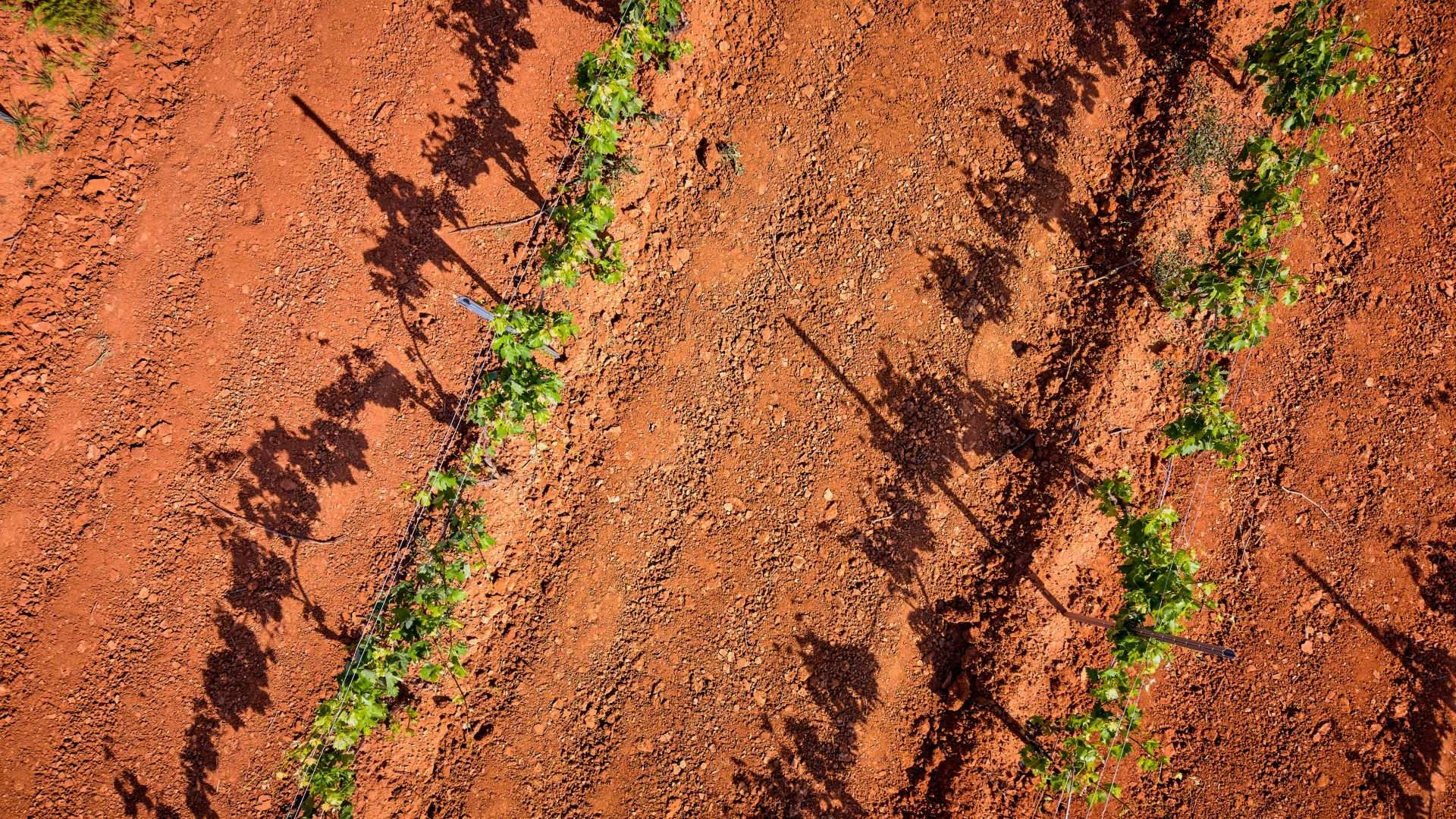
The company also began converting its Spanish estates to regenerative viticulture in 2021. Its October 2024 implementation update reported adoption across approximately 650 hectares. This adds soil and ecosystem management to location and variety choices. Together, the measures show climate considerations influencing the assets, research and production practices that will support future wines, with different interventions addressing different sources of vulnerability.
Why this example was selected
Key lesson
Use anticipated environmental change to inform location, research and product decisions together. Combine complementary adaptation measures and evaluate their performance over time, allowing evidence to shape future planting and investment choices.
