Wavelength Reef Cruises
Restoring the natural asset behind the visitor experience

Climate and nature-related risk: Marine heatwaves, coral bleaching, and reef degradation affecting the quality of visitor experiences
Solution pathway: Ecosystem restoration; research partnership; integration with existing tourism operations
Business type: Specialist reef-tourism operator
Sector: Marine tourism and recreation
Geography: Port Douglas and the Great Barrier Reef, Australia
In Practice
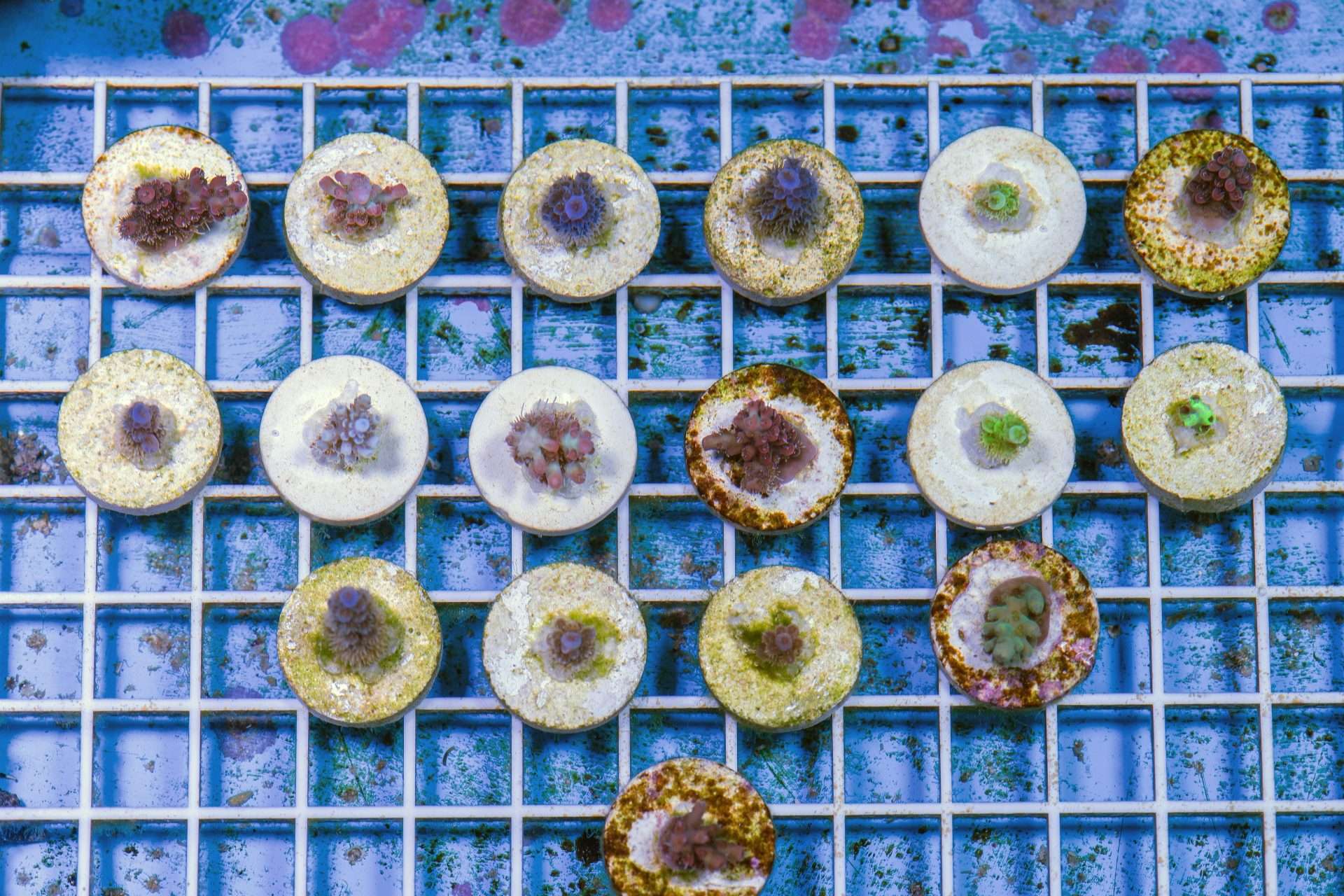
The Reef Resilience Network’s case study describes coral nurseries, propagation, and planting supported by existing vessels, staff expertise, and local knowledge. The Coralclip attachment device made planting easier to incorporate into routine operations, while shared training, site assessments, and monitoring supported consistent implementation across participating operators.
By April 2022, UTS reported more than 65,000 corals planted across 27 sites through the wider partnership. These are programme-wide totals involving multiple operators. They demonstrate substantial implementation, while continued ecological monitoring remains necessary to assess recovery, survival, and the durability of benefits under further marine heat exposure.