Service Reliability, Quality & Continuity
Maintaining reliable and consistent services under changing conditions

Service provision, for example, customer-facing environments such as hotels, restaurants, healthcare facilities, infrastructure sites, and tourism destinations, depends on the ability to maintain both operational continuity and consistent service standards. Climate and nature risks can disrupt where and how services are delivered, while also affecting the quality, reliability, and consistency of customer experiences. Service environments are increasingly exposed to flooding, heatwaves, storms, drought, poor air quality, and environmental degradation, creating challenges for both service availability and performance.
Service provision is sensitive because it relies on continuous operations, workforce availability, customer-facing environments, and the ability to meet expected standards in real time. Even where services remain operational, environmental conditions can affect service quality, customer satisfaction, and workforce performance. Businesses may therefore experience declining service standards before major operational disruption occurs.
Disruptions can cascade through customer dissatisfaction, missed service-level agreements (SLAs), reputational impacts, and reduced customer trust. Where businesses operate across multiple locations or depend on interconnected infrastructure and digital systems, localized disruptions can quickly affect wider service networks.
Vulnerabilities
What are the risks to service reliability, quality and continuity?
Climate and nature pressures affecting reliable service delivery and consistent standards.
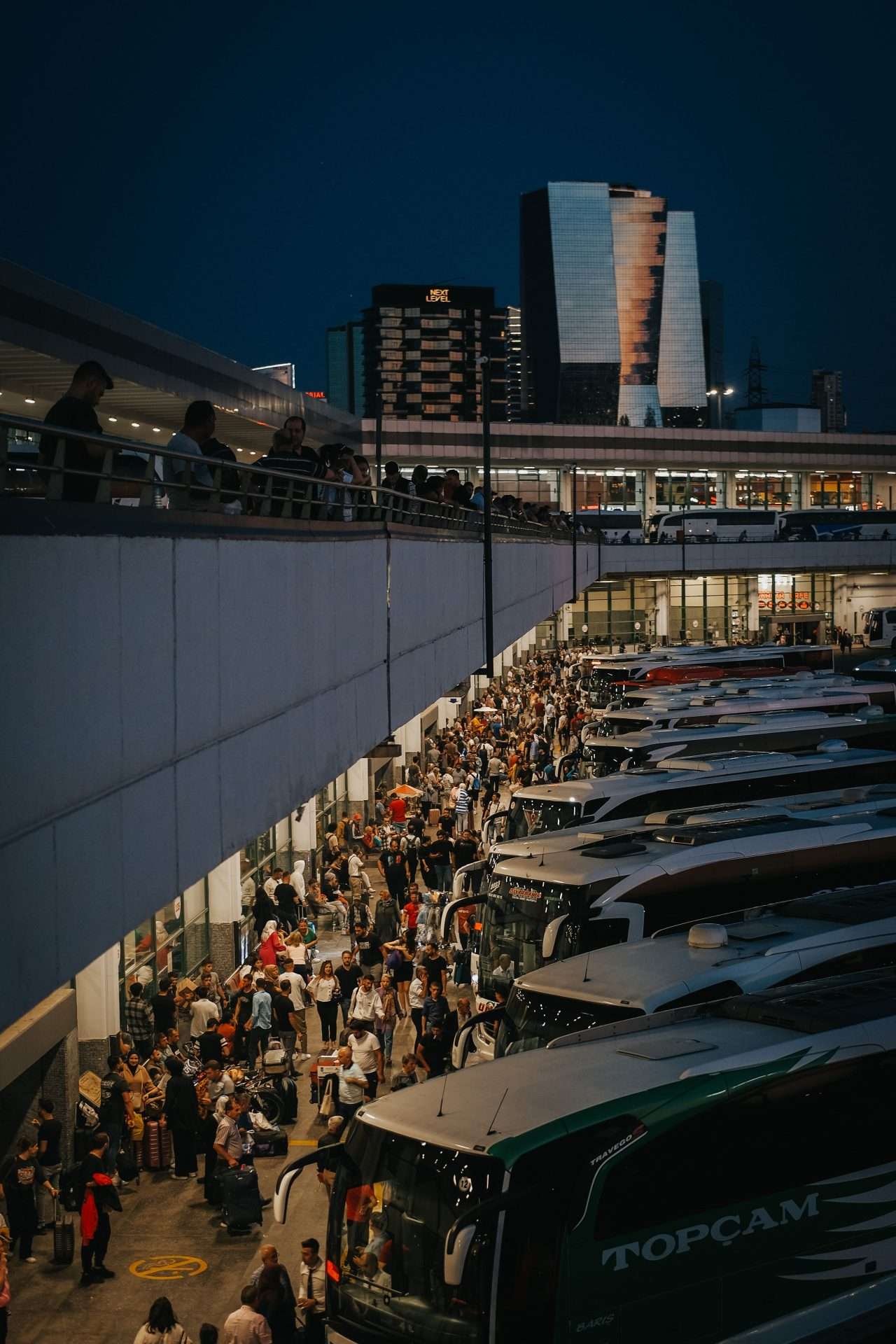
Extreme heat, flooding, storms, wildfires, water shortages, and ecosystem degradation can directly disrupt the environments in which services are delivered. These hazards may damage facilities, interrupt power or water supplies, restrict transport access, or make service locations temporarily unsafe or inaccessible. For businesses operating customer-facing sites, even short disruptions can reduce service availability and create immediate operational challenges.
Even where operations continue, changing environmental conditions can affect workforce performance, customer comfort, and operational efficiency. Extreme weather may make it more difficult to maintain consistent standards across locations and over time.
Many services cannot be stockpiled or delivered later. Disruption can therefore translate directly into cancelled bookings, delayed services, reduced customer satisfaction, and missed contractual commitments. Healthcare, hospitality, tourism, facilities management, professional services, and customer-facing operations may be particularly vulnerable.
As climate and environmental pressures increase, businesses may experience more frequent interruptions, longer recovery periods and greater challenges in maintaining reliable service standards. This may reduce customer confidence and increase operational costs.
How exposed are service reliability, quality and continuity?
Factors influencing exposure to disruption and inconsistent service performance.
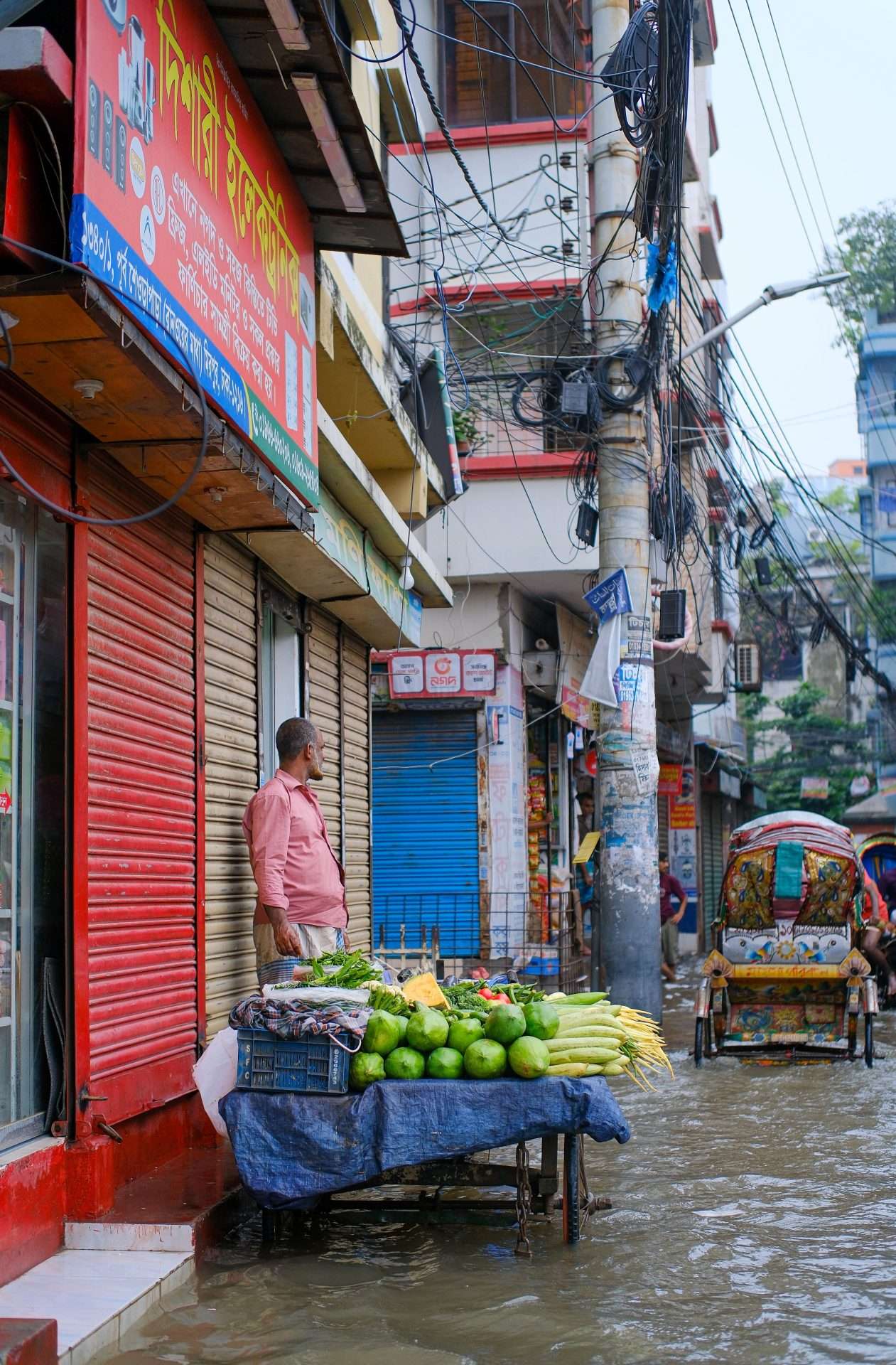
Exposure depends largely on where services are delivered and the degree to which operations rely on locations, infrastructure and systems vulnerable to climate and nature risks. Businesses operating in coastal zones, floodplains, wildfire-prone regions, heat-stressed cities or environmentally sensitive destinations may face higher levels of disruption than those in less exposed areas.
Many service businesses are also indirectly exposed through dependencies on transport networks, energy systems, water supplies and telecommunications infrastructure. Even when business facilities are unaffected, disruptions elsewhere can prevent employees, customers or suppliers from accessing services. Single-site operations or highly centralised service networks can further increase exposure because disruptions have limited alternative pathways for maintaining continuity.
Exposure increases further where organisations depend heavily on climate-sensitive destinations, dense urban environments or geographically concentrated service delivery models. In these situations, environmental disruptions may affect both operational capacity and customer demand simultaneously.
How sensitive are businesses to service reliability, quality and continuity?
Why some service models are more vulnerable than others.
Sensitivity increases where services must be delivered continuously, in real time, and to clearly defined performance standards. Many service-based business models depend on immediate interactions between customers, staff and facilities, leaving little flexibility to delay delivery when disruption occurs.
Businesses may be particularly sensitive where workforce availability, specialist skills, customer appointments, or contractual service-level agreements underpin service provision. Small interruptions can quickly generate backlogs, delays, and reduced service quality, even when facilities remain operational. Healthcare, hospitality, tourism, and business support services often experience these impacts before services stop completely.
Where redundancy, spare capacity, or alternative delivery channels are limited, businesses may struggle to absorb shocks without affecting customers. This increases the likelihood that environmental disruption translates directly into operational and financial impacts.
How could disruption create wider knock-on effects?
The wider impacts of declining service reliability and consistency.
Service disruptions rarely remain isolated. Interruptions can quickly affect customer relationships, workforce productivity, contractual performance, and wider business operations. Service failures may lead to cancelled bookings, reduced utilisation rates, lost revenue, and increased operational costs associated with recovery and customer support.
Where businesses provide essential or highly visible services, disruption can also generate reputational damage. Customers may switch providers, reduce future purchases, or publicly share negative experiences, amplifying commercial impacts beyond the original event. These effects can persist long after operations are restored.
Over time, repeated disruptions may alter investment decisions, insurance costs, customer behaviour, and competitive positioning. Businesses that experience recurring continuity challenges may become less attractive to customers, employees, and investors, reducing long-term resilience.