
August 10, 2026

Latest News
Melting ice in Yakutia, Siberia. Photo by Sébastien Vincon from Pexels.
Arctic Circle heat has reached striking new highs, with temperatures across northern Russia recently exceeding 32°C! Some locations have reached levels more commonly associated with summer heat in much warmer parts of the world. On 3 August 2026, the Selagoncy meteorological station recorded 33.9°C, while the Olenek district reached 32.7°C, according to weather data reported by Scientific American. These temperatures are striking for a region known for its long, cold winters and add to a series of unusually high temperatures recorded across the Arctic this summer.
This heat is occurring against a much larger change in the Arctic. The region is warming nearly 4 times faster than the global average, while sea ice continues to shrink. According to Copernicus, the Arctic sea ice extent in June 2026 was 5% below the 1991–2020 average, ranking sixth-lowest for June. The Arctic also reached a record-low winter maximum in March 2026, at 5.7% below average. As a result, 2026 is now statistically tied with 2025 for the lowest maximum sea-ice extent in the satellite record.
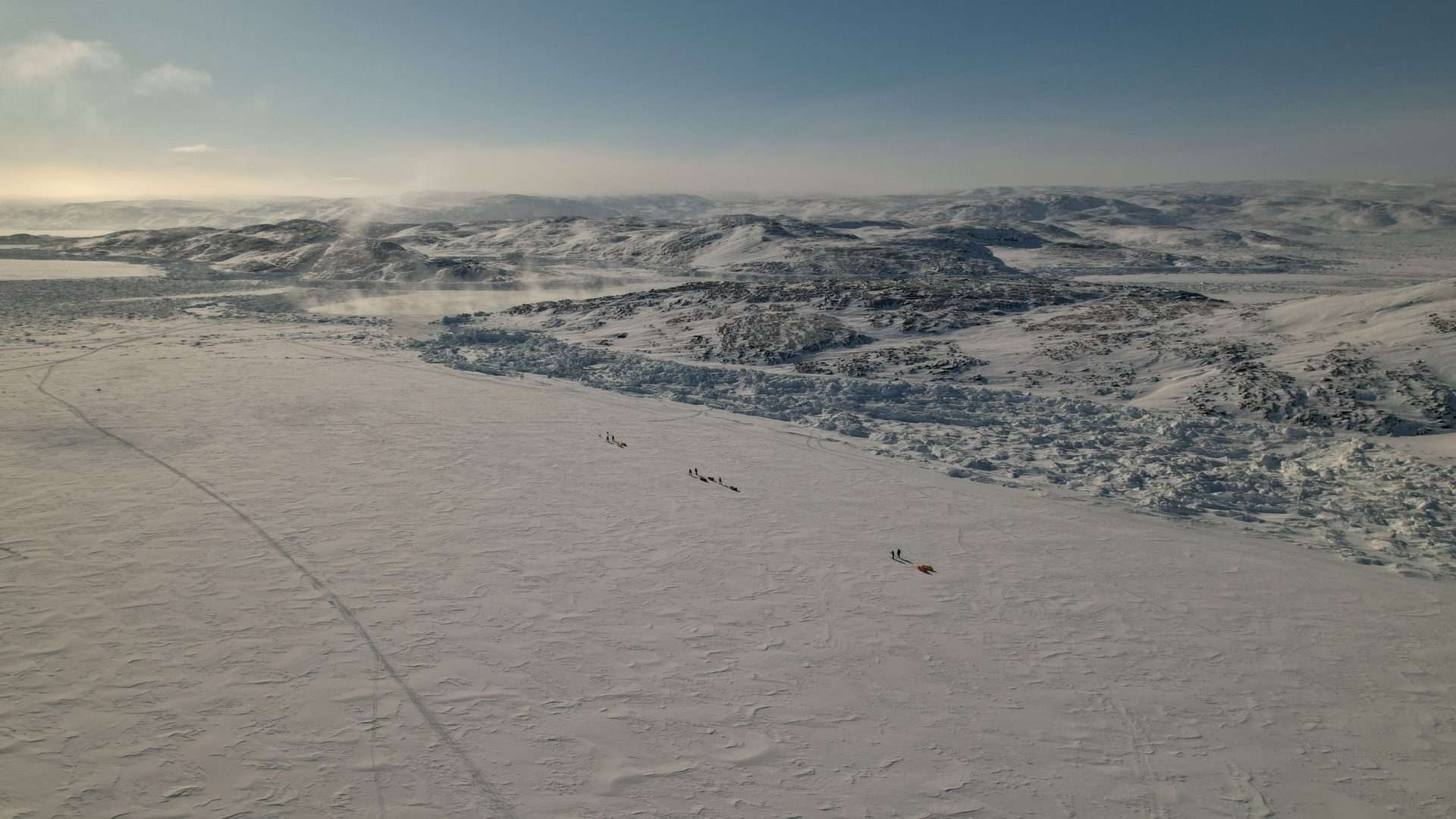
What is Happening?
- Temperatures in the Arctic circle are reaching unusually high heat levels: Northern Russia has experienced temperatures above 32°C, with Selagoncy reaching 33.9°C and Olenek 32.7°C in early August (around 18°C above Olenek’s typical August average of about 14°C). These measurements show how extreme heat is reaching high northern latitudes even during the short Arctic summer.
- Arctic sea ice started the 2026 melt season from a record-low winter maximum: only 14.29 million km² on 15 March 2026, which is statistically tied with 2025 for the lowest winter maximum in the 48-year satellite record.
- Summer sea ice remains well below average: In June 2026, Arctic sea ice covered an average of 10.9 million km², around 0.6 million km² below the 1991–2020 average.
Why This Keeps Getting Worse: The Overheating Arctic and Disappearing Sea Ice
The Arctic is caught in a powerful feedback loop. As temperatures rise, snow and sea ice melt, exposing darker land and ocean surfaces that absorb more sunlight. That additional heat makes it harder for ice to recover and contributes to further warming.
This matters far beyond the Arctic. The region plays a key role in the movement of heat, moisture, and air around the Northern Hemisphere. Rapid Arctic warming can alter atmospheric circulation, including the jet stream, while changes in sea ice, snow and ocean temperatures can influence weather patterns farther south.
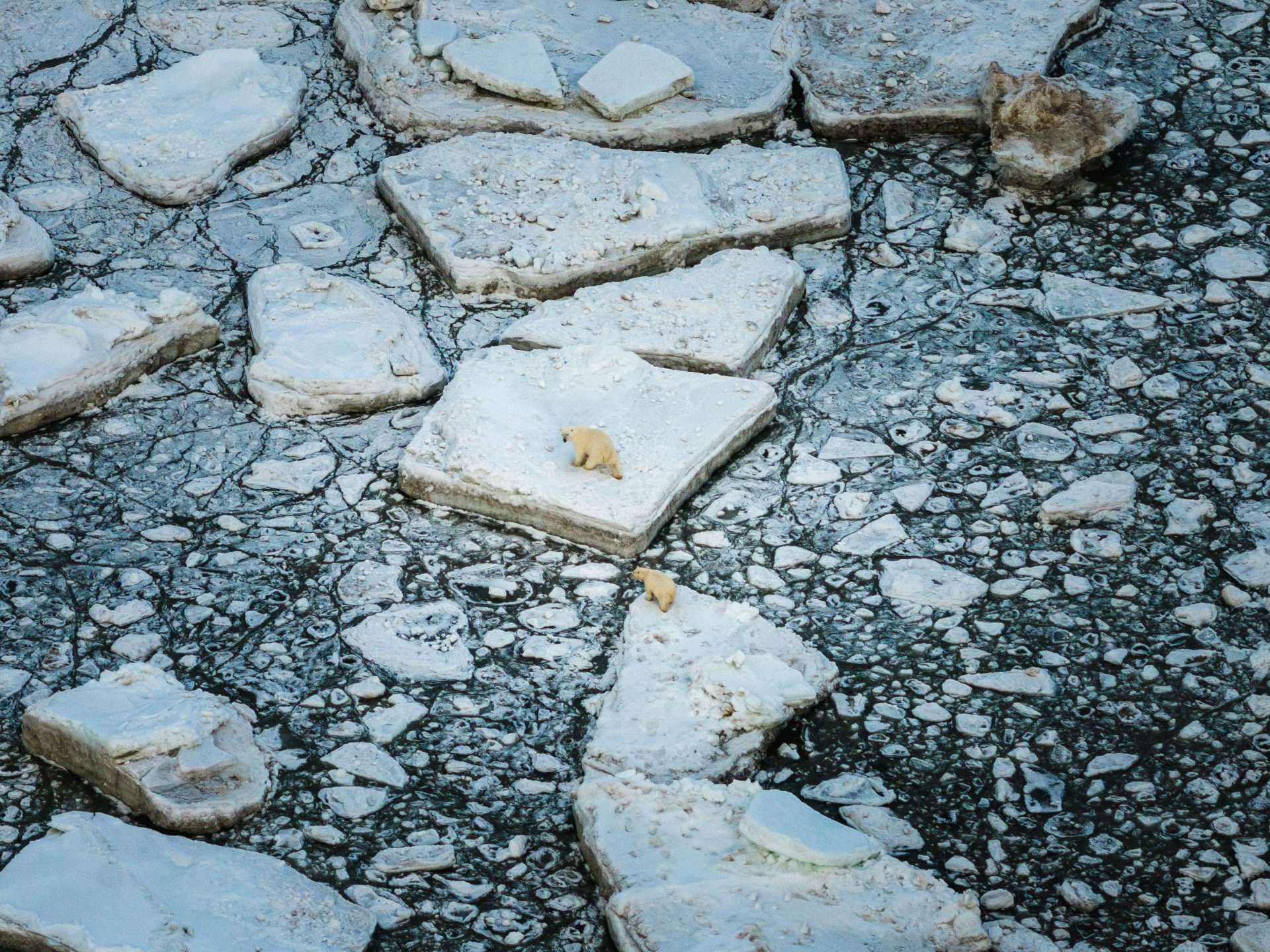
The loss of Arctic sea ice can influence global sea levels indirectly through changes in ocean and atmospheric circulation and the wider climate system, while the melting of Greenland’s land-based ice sheet directly adds freshwater to the oceans and contributes to sea-level rise. These interconnected changes in the Arctic can therefore affect coastal communities, food systems, infrastructure, and human health far beyond the polar region.
What Does This Mean Beyond the Arctic?
- More extreme weather: Changes in Arctic warming and atmospheric circulation can influence weather patterns across Europe, North America and Asia, contributing to risks from heatwaves, heavy rainfall, drought and unusual cold spells.
- Rising coastal risks: Continued warming of the Arctic is contributing to the loss of Greenland’s land-based ice, which adds water to the oceans and increases long-term sea-level rise.
- Food and water security: Changes in Arctic weather, ocean conditions and ecosystems can affect fisheries, agriculture and water systems far beyond the polar region.
- Risks to Arctic communities: Rapid environmental change is disrupting ecosystems, travel conditions, infrastructure and traditional ways of life for people living across the Arctic.
A changing climate system: The Arctic is not isolated from the rest of the world. Its rapid warming and loss of ice are signs of a wider overheating planet and can amplify changes in weather and ocean systems.
The Urgent Response Needed
What needs to change:
- Strengthen Arctic monitoring and early warning systems to track extreme heat, sea-ice loss, wildfires, permafrost thaw and other rapidly changing risks.
- Protect Arctic communities and infrastructure by preparing for changing ground conditions, flooding, coastal erosion and increasingly unpredictable weather.
- Improve climate information and forecasting so communities, governments, transport operators and emergency services can prepare for rapidly changing Arctic conditions.
- Protect Arctic ecosystems that support wildlife, fisheries, Indigenous communities and the wider food system.
- Reduce carbon pollution that is overheating the planet while building stronger adaptation measures for the changes that are already happening.
What You Can Do:
- Support reliable Arctic science, monitoring and early warning systems that help communities prepare for rapidly changing conditions. Check out: Arctic Council, National Snow and Ice Data Center (NSIDC), World Meteorological Organization (WMO), and International Arctic Research Center (IARC).
- Support practical actions that reduce carbon pollution, including cleaner transport, renewable energy, energy-efficient buildings, and reduced energy waste.
- If you can, choose one action from the UN Actions for a Healthy Planet list. Switching to a train instead of a flight, whenever you can, already makes a measurable difference. Check the impact of your actions here.
Read more: Sea Level Rise | Health risks | Climate Risks Daily
Original source: It’s 90 degrees in the Arctic right now | Scientific American
What You Can Do?
Join the Fight Against World's Climate Crisis
SubscribeDiscover global climate challenges and the Polar connection
Spread the WordShare this page to raise awareness
Read More From the Polar Change Category
- Latest News
Caption Text Opposed in Principle, Permitted by Law: the EU and Arctic Drilling
On the 20th of October 2026, the European Union published a new Arctic strategy, dropping its earlier commitment to... - Latest News
Caption Text Arctic Shipping Boom Shows the Unequal Costs of a Warming Arctic
Shipping through the Arctic is reaching record levels as declining sea ice makes the Northen Sea Route easier to navigate. Moreover, disruption... - Latest News
Caption Text Record-Low Polar Sea Ice Is a Warning Sign for the Whole Planet
Sea ice at both poles has reached unusually low levels in 2026, according to the National Snow and Ice... - Latest News
Caption Text Antarctica’s Missing Sea Ice
An area of Antarctic winter sea ice roughly the size of France – around 650,000 km² – failed to... - Latest News
Caption Text What’s Happening to Antarctic Sea Ice – and Why It Matters Where You Live
Antarctica lost an area of sea ice roughly the size of Greenland in 2023. Scientists now warn the continent... - Latest News
Caption Text The Ground Beneath North Canada is Collapsing. The Consequences Won’t Stay There.
On Herschel Island–Qikiqtaruk, thawing permafrost – the frozen ground that lies beneath much of Canada’s north – is causing the ground...


All Polar Change posts
