
February 13, 2023

Latest News
Although Cyclone Gabrielle is just making landfall in New Zealand’s North Island, one-third of the country’s population is already under a state of emergency by this once-in-a-century storm. The impacts of this storm will peak tonight aligning with the midnight high tide.
In January, this region was hit by what is considered the ‘biggest climate event’ in New Zealand’s history, as per the Guardian. New Zealand’s new Prime Minister, Chris Hipkins, has warned that ‘Extreme weather event has come on the back of extreme weather event,’ magnifying the impacts.
In addition to the high tide, New Zealand’s National Institute of Water and Atmospheric Research warns that this storm will be a ‘record’ storm surge of 0.7m on top of waves reaching 12m. ‘Red’ warnings from MetService have also hit a record with winds topping 150-160km.
But New Zealand, a polar country? Not geographically, but is it becoming so environmentally? A southern hemisphere country, New Zealand is far from the Arctic–but the presence of the northern pole is still felt in the land of the Silver Fern. Warming four times faster than the rest of the planet, the Arctic is a driving force for warming globally. The current New Zealand summer has brought unusually warm waters, which fuel more powerful cyclones. Part of this warming also stems from La Niña, the increasing effects of which are a concern with Antarctic heating.
So what? Although several factors are in play, what is important to note is that the stability (and instability!) of the polar regions affects the entire planet. A warming Arctic is a warning to all. These storms are going to become norms rather than records as polar impacts heighten global risk unless emissions drop radically and immediately.
Photo by Brett Phibbs for the NZ Herald
Tags
What You Can Do?
Join the Fight Against World's Climate Crisis
SubscribeDiscover global climate challenges and the Polar connection
Spread the WordShare this page to raise awareness
Read More From the Global Risks Category
- Latest News
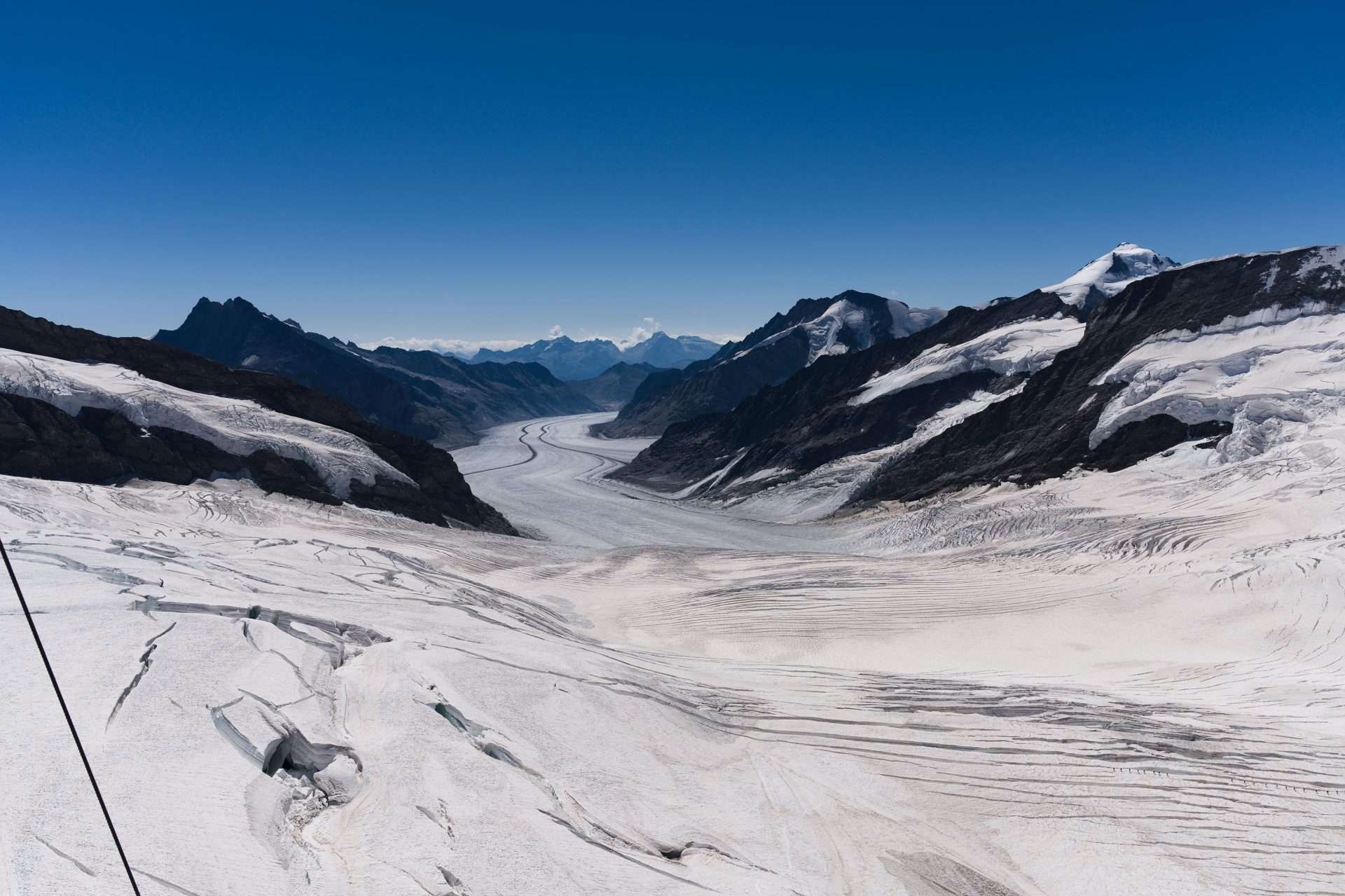
Caption Text Swiss Glaciers Have Lost Almost 20% of Their Ice Since 2021
A winter with very little snowfall followed by intense heatwaves from May to September left glaciers without their protective... - Latest News
Caption Text Rooftop Revolution in France: Why Big Buildings Are Going Green
France is making rooftops part of its response to climate change. Instead of treating roofs as unused building space, new... - Latest News
Caption Text Half of Europe Experienced Very Strong Heat Stress During Summer 2026
More than half of Europe experienced very strong heat stress at some point during summer 2026, as repeated heatwaves pushed temperatures... - Latest News
Caption Text Europe’s Climate Change Bill Is Growing
Climate change is already creating a growing financial burden across Europe. Between 1980 and 2024, weather and climate related... - Latest News
Caption Text By 2030, Most Families in Ethiopia, Malawi, and Nigeria Won’t Be Able to Afford a Healthy Meal
By 2030, more than 90% of people in Malawi and Nigeria, and 75% in Ethiopia, won’t be able to... - Latest News
Caption Text Global Rivers Are Losing Oxygen as the Climate Warms
Rivers around the world are losing dissolved oxygen, an essential condition for healthy freshwater ecosystems. A 2026 study published in Science Advances analysed 21,439...




All Global Risks posts
