
April 14, 2025
The Cascading Impacts of Climate Change on Health, Agriculture, and Livelihoods in Malawi
2 min read

Latest News
In Malawi, the 2023/24 rainfall season, influenced by El Niño, was marked by a late onset and prolonged dry spells, particularly in the southern and central regions. These conditions led to substantial crop failures, especially in maize, with a forecasted 45% decline against the five-year average. In March 2024, the President declared a state of disaster in 23 out of 28 districts, affecting nearly 2 million farming households, representing over 9 million people.
In March 2023, Cyclone Freddy caused extensive damage, particularly in the southern regions. The cyclone resulted in over 1,000 fatalities and left lasting scars on communities, with destroyed homes and submerged agricultural lands. The health sector suffered approximately $4.14 million in damages, disrupting services for nearly 340,000 children under five, 175,000 people living with HIV, and 90,000 pregnant and breastfeeding women.
The aftermath of Cyclone Freddy led to a surge in cholera cases, affecting over 2.2 million people and overwhelming Malawi’s healthcare system. The increased frequency of extreme weather events has also heightened the prevalence of vector-borne diseases such as malaria and dengue fever. Additionally, disruptions to water and sanitation infrastructure have escalated the risk of waterborne diseases like typhoid fever.
The compounded effects of droughts and cyclones have deepened poverty among subsistence farmers and strained the government’s capacity to provide assistance. This has caused an average annual GDP loss of about 1.7% due to reduced agricultural output and other economic impacts. The agricultural sector, vital to Malawi’s economy, has been particularly hard-hit, leading to increased food insecurity and malnutrition.
These recent events underscore the urgent need for comprehensive climate adaptation strategies to safeguard Malawi’s vulnerable populations and sustain its development progress.
Read more about health risks here.
Read more about extreme weather here.
What You Can Do?
Join the Fight Against World's Climate Crisis
SubscribeDiscover global climate challenges and the Polar connection
Spread the WordShare this page to raise awareness
Read More From the Global Risks Category
- Latest News
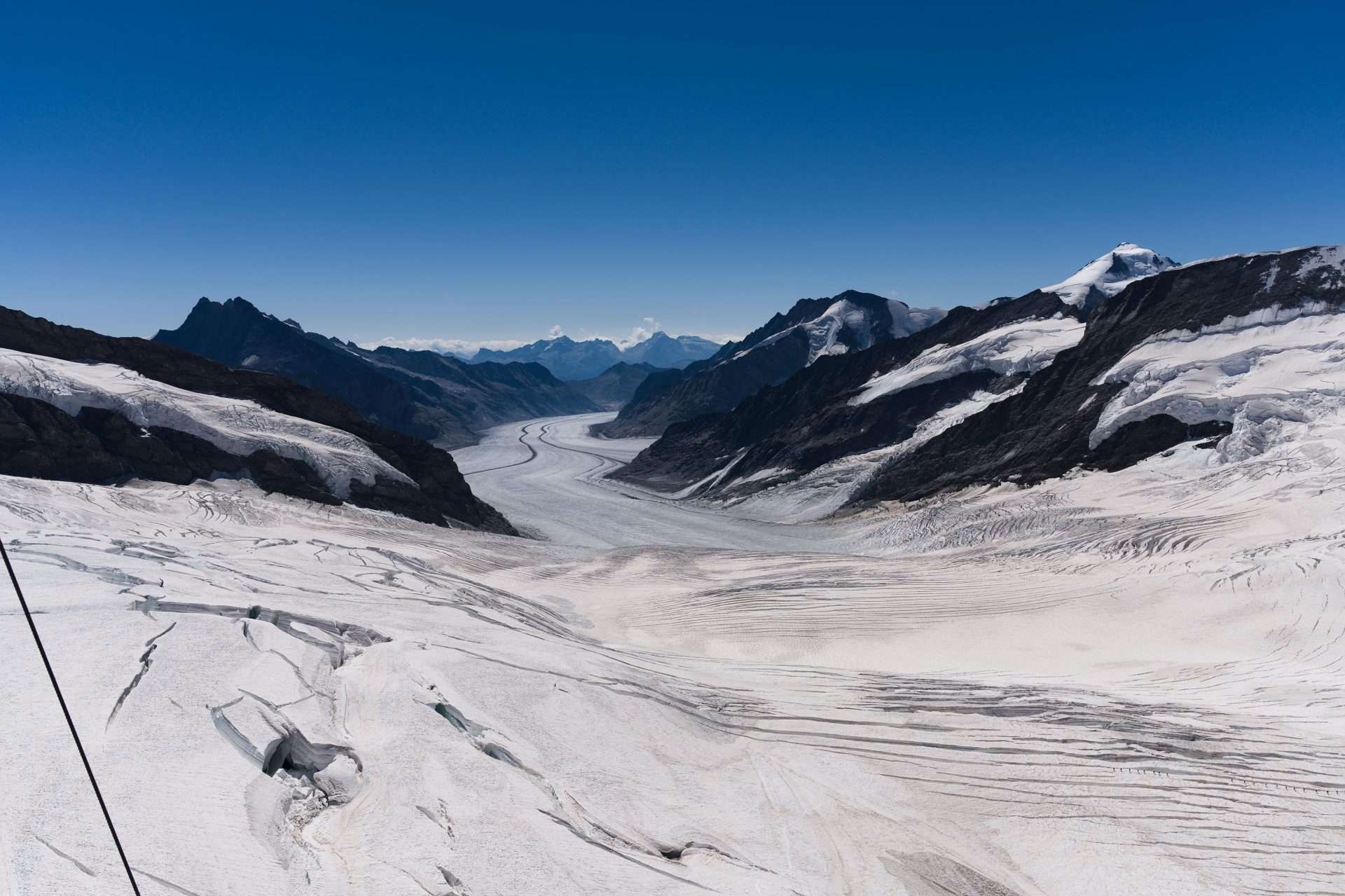
Caption Text Swiss Glaciers Have Lost Almost 20% of Their Ice Since 2021
A winter with very little snowfall followed by intense heatwaves from May to September left glaciers without their protective... - Latest News
Caption Text Rooftop Revolution in France: Why Big Buildings Are Going Green
France is making rooftops part of its response to climate change. Instead of treating roofs as unused building space, new... - Latest News
Caption Text Half of Europe Experienced Very Strong Heat Stress During Summer 2026
More than half of Europe experienced very strong heat stress at some point during summer 2026, as repeated heatwaves pushed temperatures... - Latest News
Caption Text Europe’s Climate Change Bill Is Growing
Climate change is already creating a growing financial burden across Europe. Between 1980 and 2024, weather and climate related... - Latest News
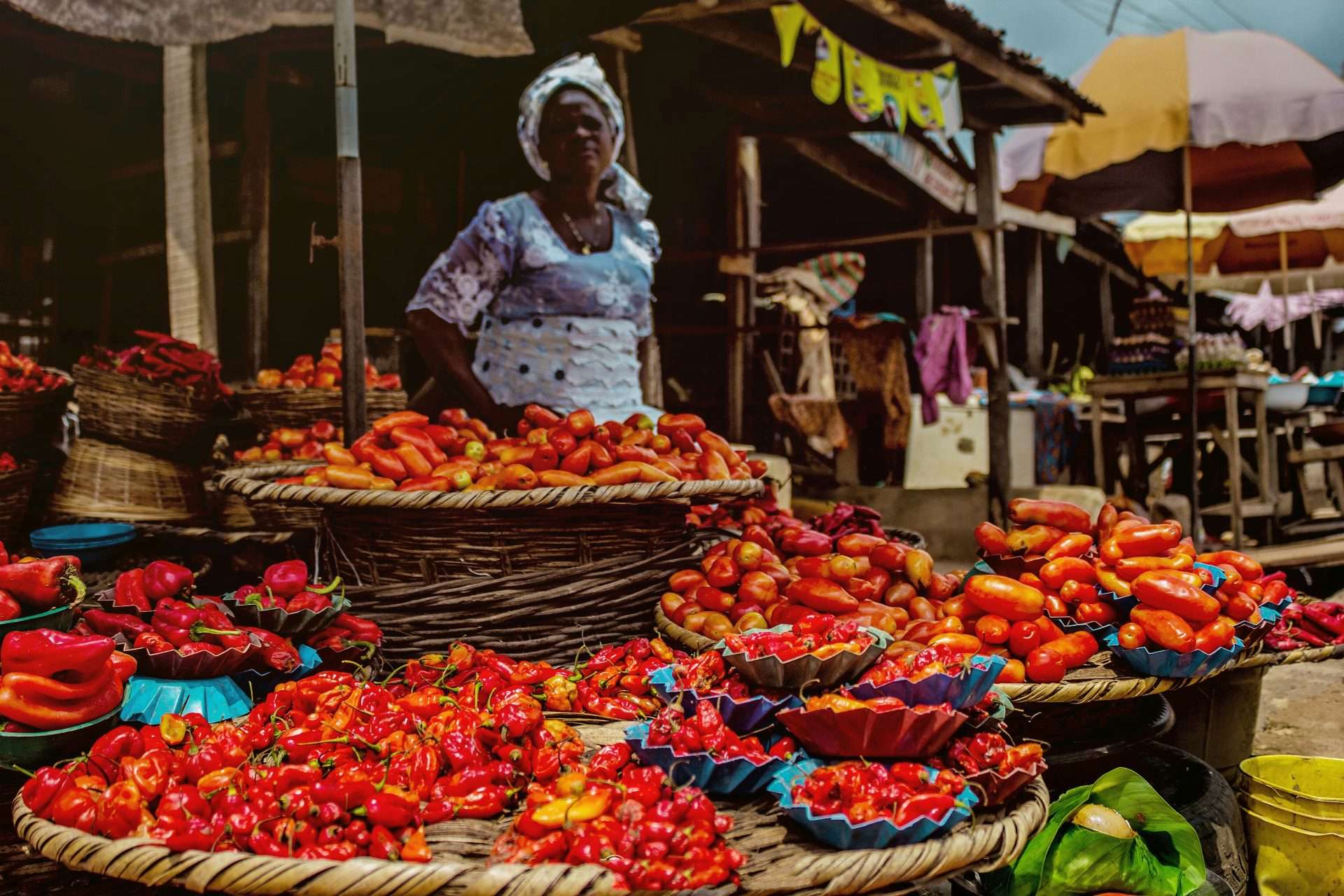
Caption Text By 2030, Most Families in Ethiopia, Malawi, and Nigeria Won’t Be Able to Afford a Healthy Meal
By 2030, more than 90% of people in Malawi and Nigeria, and 75% in Ethiopia, won’t be able to... - Latest News
Caption Text Global Rivers Are Losing Oxygen as the Climate Warms
Rivers around the world are losing dissolved oxygen, an essential condition for healthy freshwater ecosystems. A 2026 study published in Science Advances analysed 21,439...




All Global Risks posts
