Technology & Information Systems
Keeping technology and IT systems fit for use

Vulnerabilities
What could affect technology and IT systems?
Service businesses suffer when climate disruption affects digital systems.
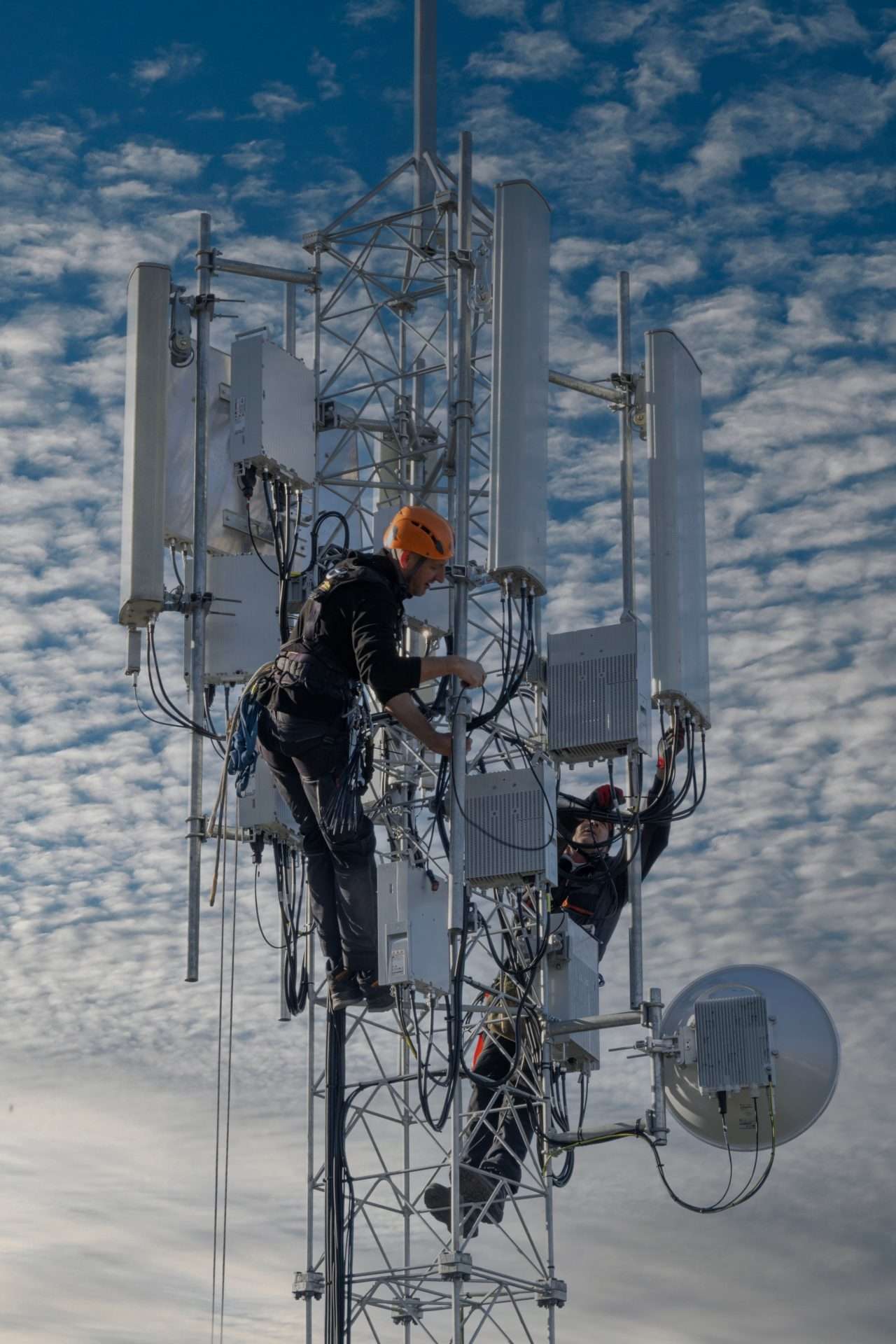
Extreme heat, flooding, storms, wildfire smoke, and power disruptions can affect the physical infrastructure that supports digital services. Data centres, telecommunications networks, power supplies, and cloud infrastructure may all experience increasing stress from changing environmental conditions.
Service businesses are becoming increasingly dependent on digital platforms for booking systems, customer engagement, transactions, communications, and operational coordination. As digital systems become more central to service delivery, disruptions can have immediate consequences for both employees and customers.
Climate-related infrastructure disruption therefore represents more than an IT issue. It can directly affect revenue generation, customer experience, business continuity, and organisational resilience.

Why are some businesses more exposed when climate change reaches their IT infrastructure?
How exposure of IT systems put services businesses at risk.
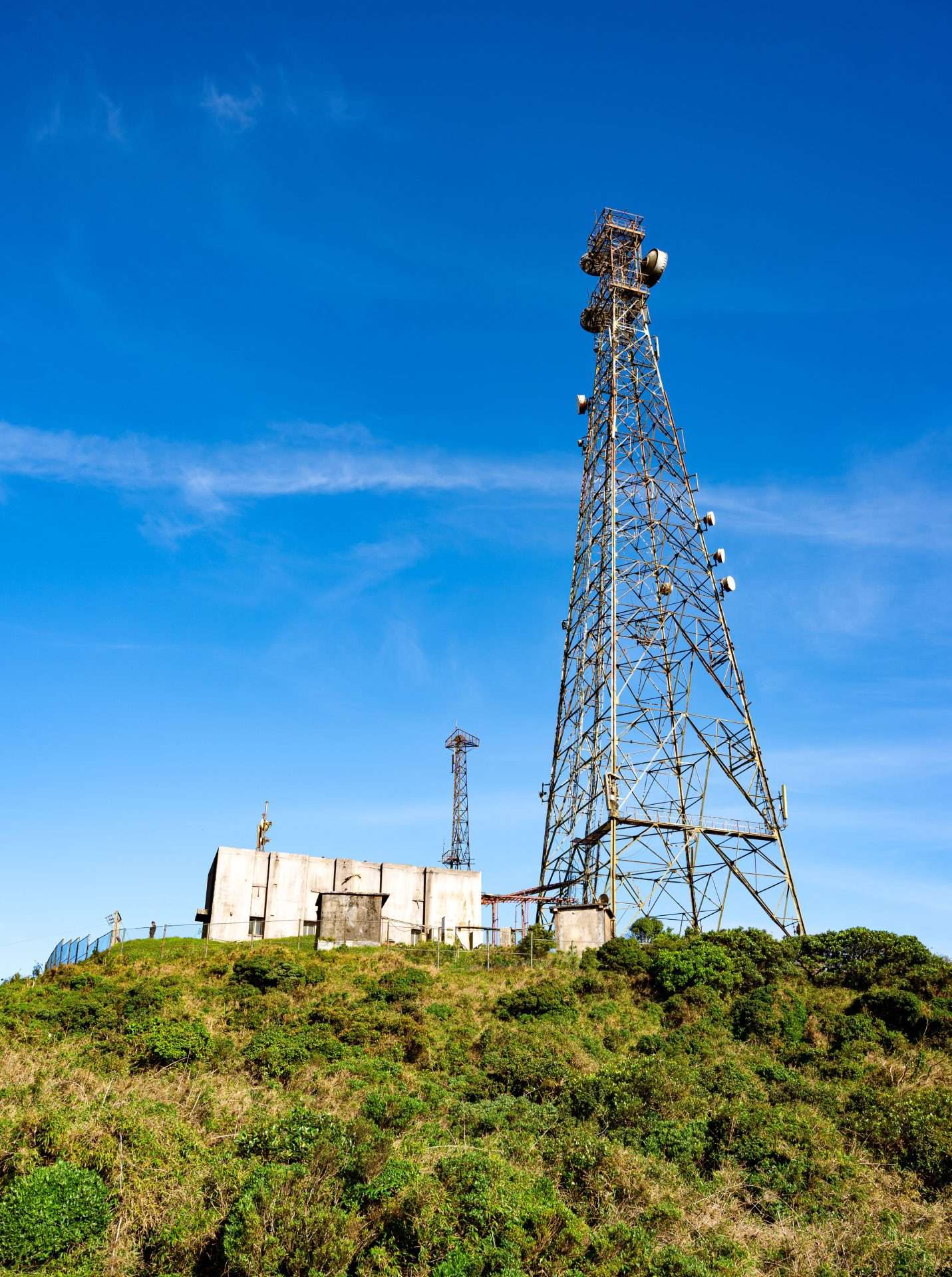
Exposure is shaped by where digital infrastructure is located, how services are connected, and the extent to which operations rely on external providers. Businesses whose critical systems depend on single data centres, regional telecommunications infrastructure, or concentrated cloud providers may be particularly exposed to environmental disruption.
Organisations operating across geographically dispersed service networks may also face exposure through dependencies on local power grids, communication systems, and internet connectivity. Interruptions affecting any part of these networks can disrupt service delivery across multiple locations.
As digital infrastructure becomes increasingly interconnected, exposure often extends beyond organisational boundaries into wider infrastructure systems and third-party providers.
What are the factors that make some services businesses more sensitive to disruption?
How IT infrastructure is organised can put businesses at higher risk.
Sensitivity increases where operations are highly digitised and where customer interactions depend on uninterrupted access to digital services. Online booking platforms, CRM systems, payment infrastructure, and operational management tools are increasingly fundamental to service provision.
Businesses are often more sensitive where systems are tightly integrated and where manual alternatives are limited. When one component fails, disruption can rapidly affect connected processes, teams, and customer-facing services.
Sensitivity is further heightened when backup systems, redundancy arrangements, or disaster recovery capabilities are insufficient to maintain continuity during environmental disruptions.
What are the knock-on effects of IT system disruption?
What are the factors leading to systemic amplification.
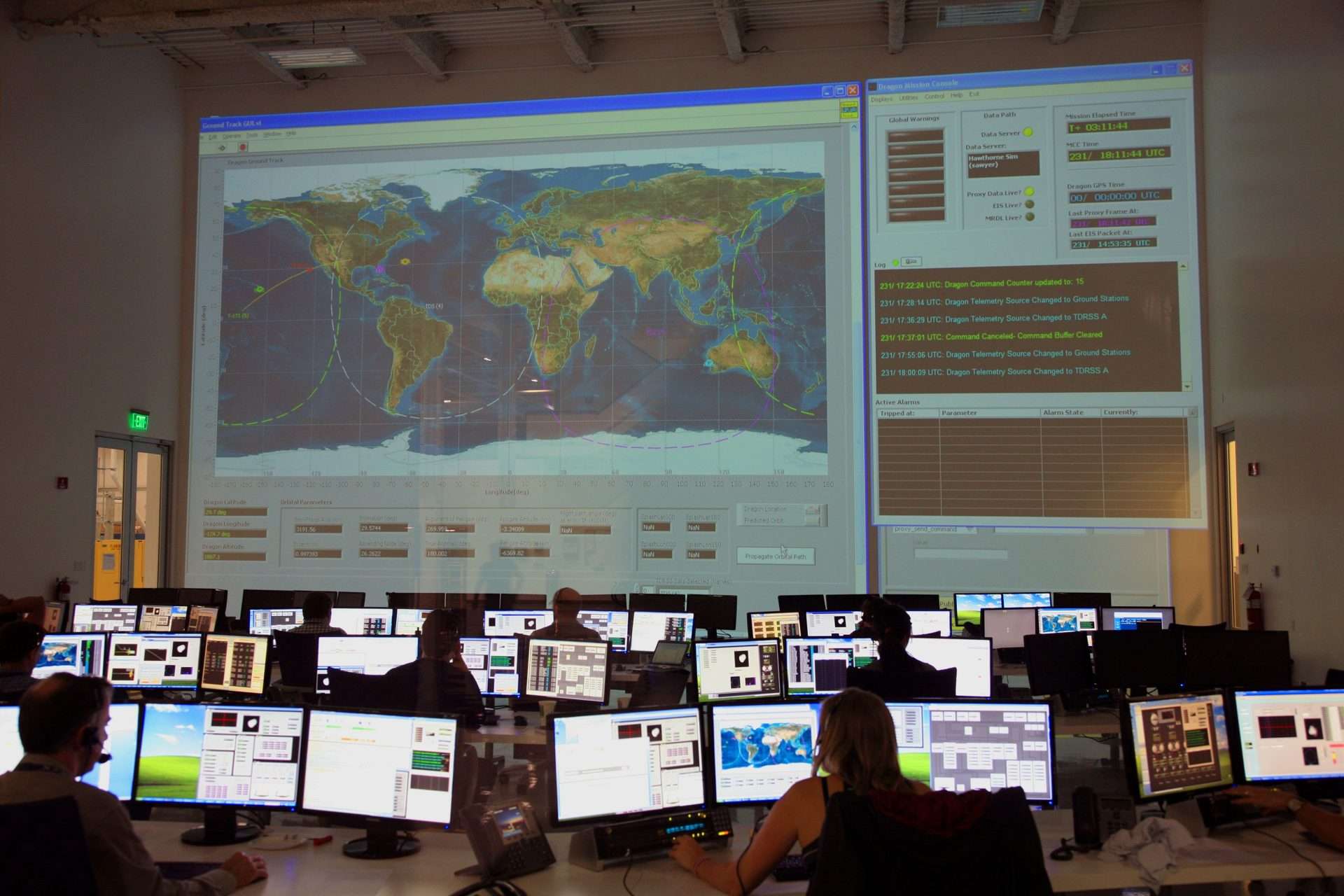
Technology failures rarely remain isolated. Disruptions affecting booking systems, communications platforms, payment systems, or operational management tools can quickly spread across customer journeys and business operations.
Customers may experience cancelled bookings, delayed services, poor communications, or reduced confidence in service reliability. At the same time, employees may lose access to information, coordination tools, and operational visibility needed to maintain service standards.
Over time, recurring technology disruptions may increase operational costs and weaken customer trust and require significant investment in resilience, redundancy, and infrastructure upgrades. As digital dependence grows, the wider business consequences of system disruption become increasingly significant.