Workforce Productivity, Health & Availability
Protecting the people who deliver services

Service workers are often exposed to outdoor conditions or non-climate-controlled environments. Workforce performance is sensitive to heat stress and fatigue, air quality and health risks, and disruption to transport and commuting.
Workforce disruptions can reduce service capacity and quality, increase labour costs and staff turnover, and amplify operational inefficiencies.
Vulnerabilities
What are the climate and nature risks to service workers and workforces?
How workforces respond to climate and nature change.
Heatwaves, poor air quality, extreme weather events, infectious disease risks, and changing environmental conditions can directly affect workforce health, wellbeing, and performance. Service-sector employees often work in customer-facing roles where physical presence, concentration, and interpersonal interaction are essential for delivering consistent outcomes.
Heat stress has emerged as a major climate-related workforce risk. Higher temperatures can reduce physical and cognitive performance, increase fatigue and raise the likelihood of workplace incidents, absenteeism, and health-related disruptions. These impacts are not limited to outdoor workers and increasingly affect indoor environments that lack adequate cooling or ventilation.
As climate risks intensify, organisations may experience growing challenges associated with maintaining workforce capacity, employee wellbeing, and long-term productivity. This has implications for service quality, operational continuity, and labour costs.
What is the exposure to workforce-related risks?
What are the factors increasing exposure to workforce disruption.
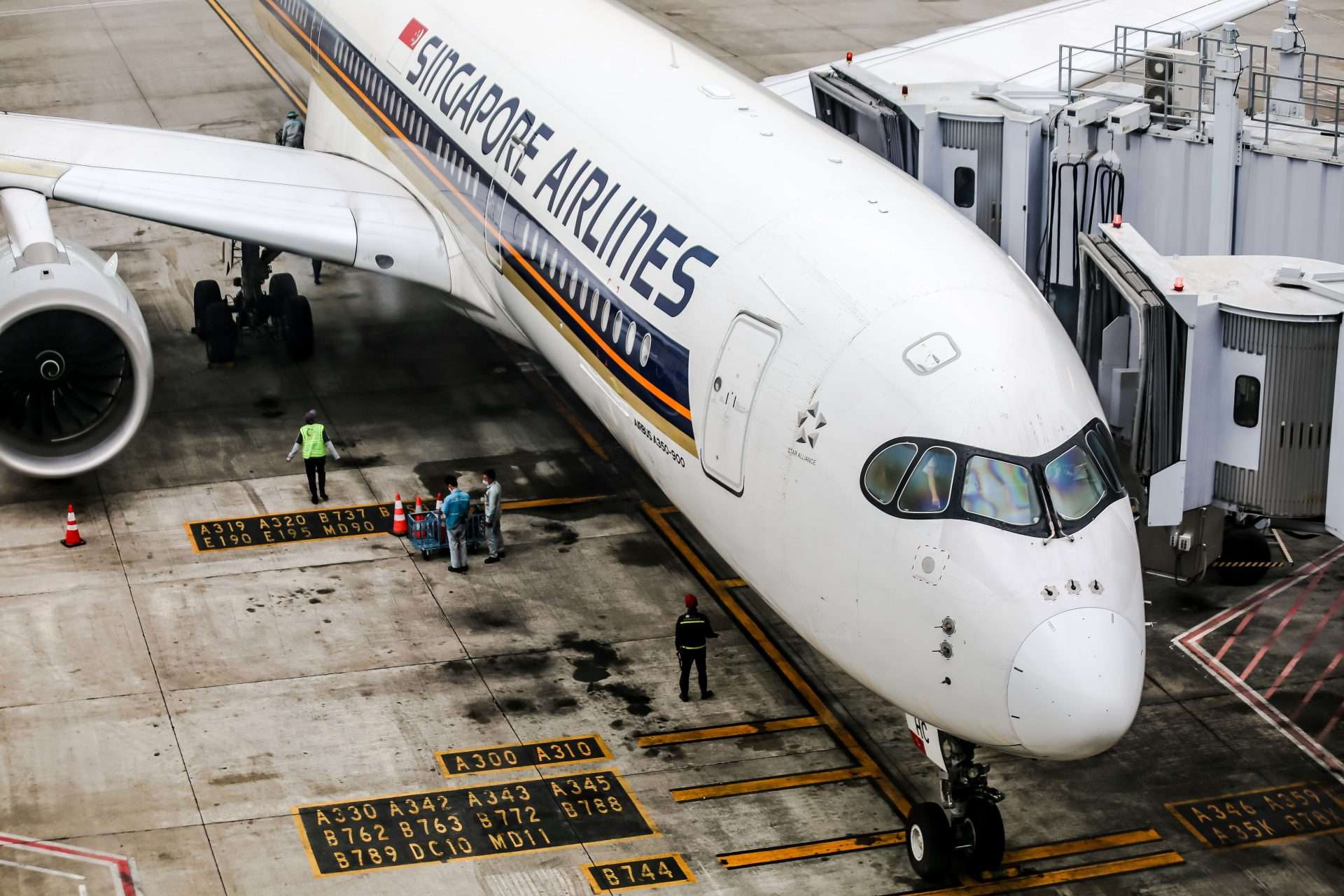
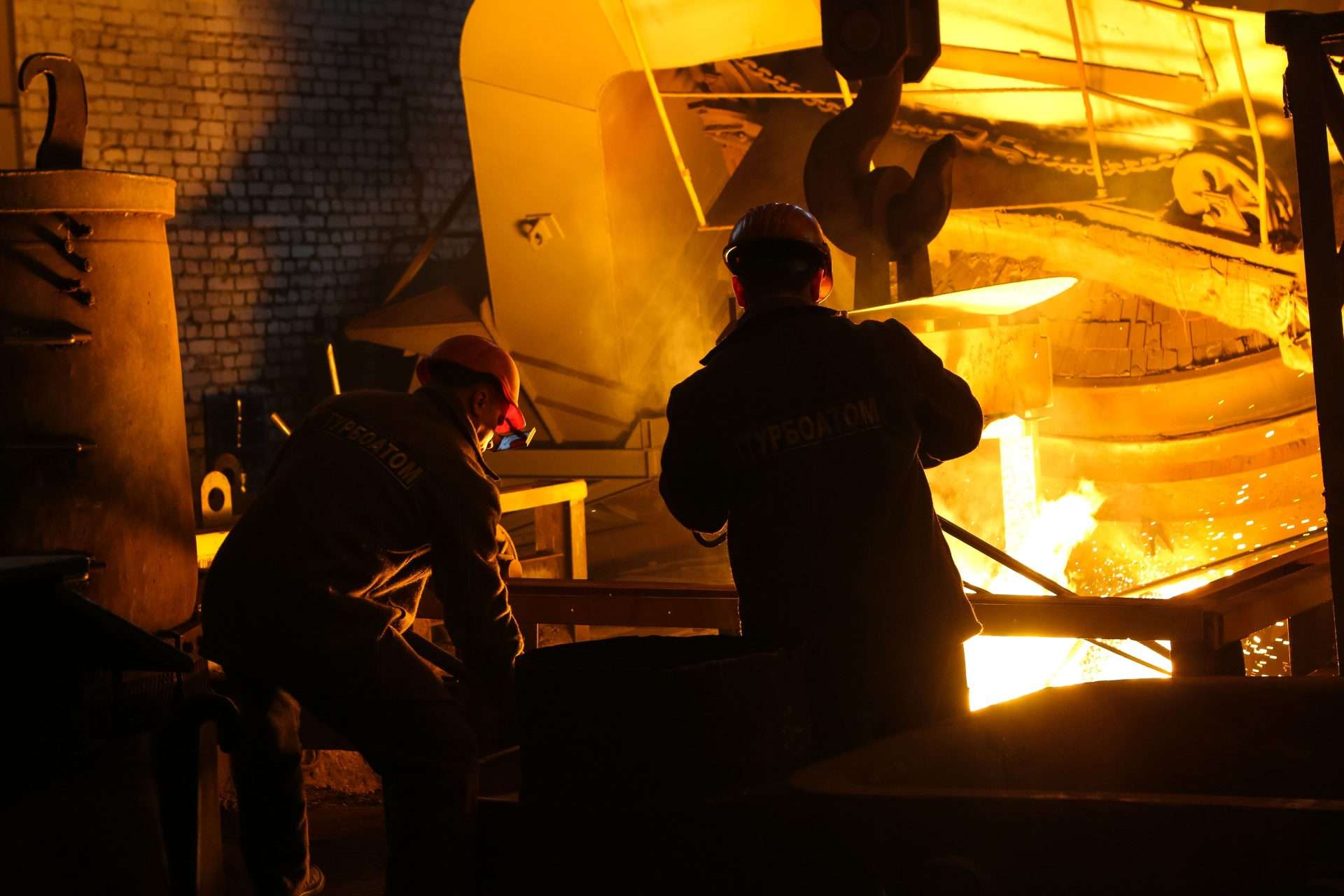
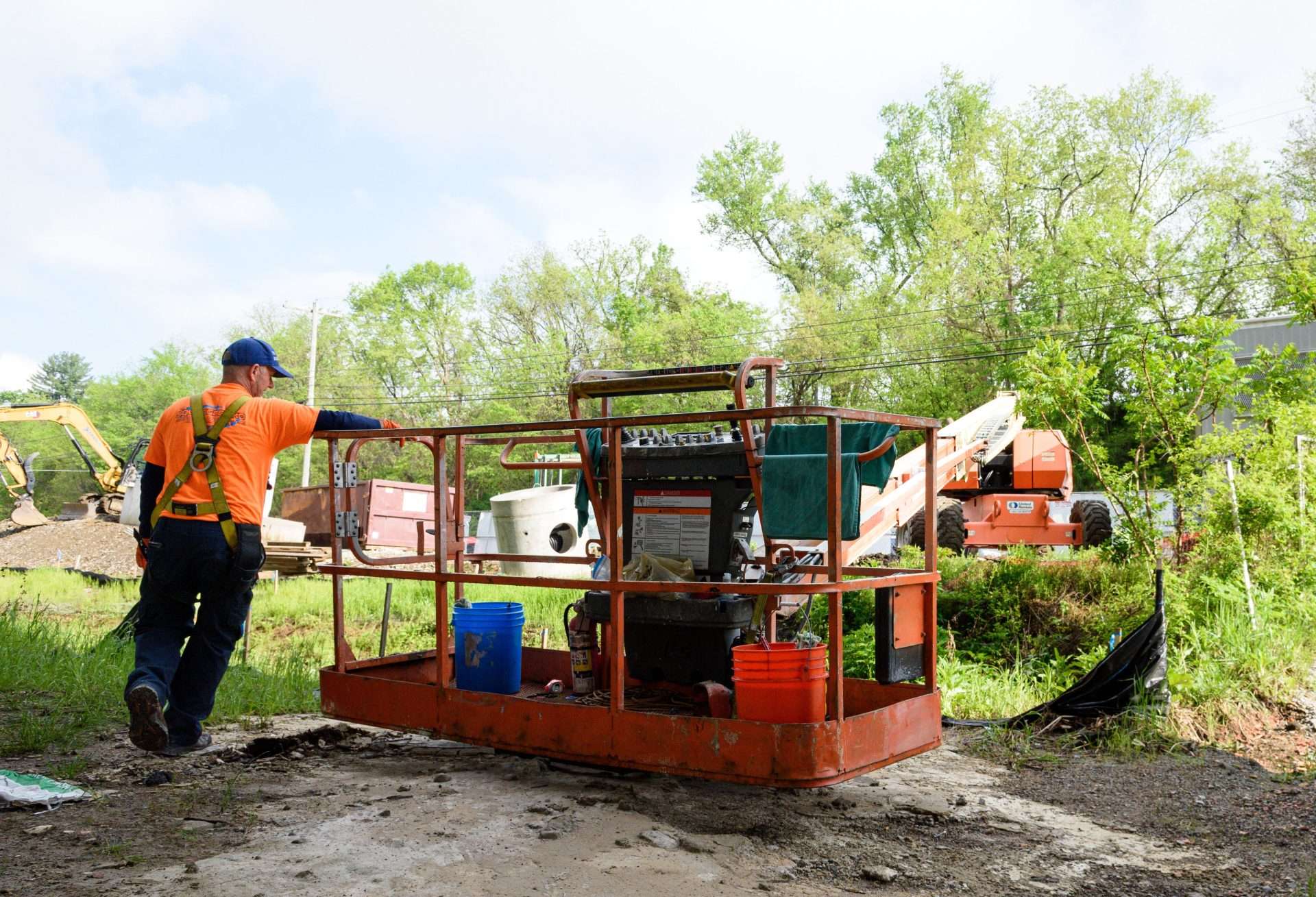
Exposure is higher where work involves outdoor activities, physically demanding tasks, direct customer interaction, or travel between locations. Workers in hospitality, tourism, facilities management, maintenance, transport, and field-based services may face elevated environmental exposure during everyday operations.
Organisations may also be exposed where facilities lack effective climate controls, where commuting depends on vulnerable transport systems, or where businesses operate in regions projected to experience more frequent extreme heat or severe weather. Environmental disruption can affect workforce availability even when workplaces remain operational.
Exposure increases further where businesses already face labour shortages or depend on limited pools of specialist employees. Climate-related disruption can make recruitment, retention, and workforce planning more difficult over time.
What are the workforce dependencies that make risks worse?
Why are some businesses are more sensitive to labour disruption than others.
Sensitivity increases where service delivery depends heavily on human performance, specialist expertise, or customer-facing interactions. Unlike many physical assets, workforce capability cannot easily be substituted when employees experience health impacts, fatigue, or restricted availability.
Organisations may be particularly sensitive where staffing levels closely match demand, specialist skills are difficult to replace, or service quality relies on employee knowledge and experience. In these situations, relatively small reductions in workforce capacity can have disproportionate effects on service outcomes.
Where employee wellbeing and customer experience are closely linked, environmental pressures affecting workers can quickly translate into wider operational and commercial impacts.
How does decreased workforce productivity lead to wider impacts?
How does disruption widen the impacts.
Reductions in workforce productivity and availability can affect service delivery, operational efficiency, and customer satisfaction simultaneously. Lower productivity may increase waiting times, reduce service quality, and create additional workloads for remaining staff.
Businesses may also face increased costs associated with overtime, temporary staffing, recruitment, and workforce support measures. Repeated disruption can contribute to employee burnout, lower morale, and higher staff turnover, weakening organisational resilience.
Over time, workforce disruption can affect competitiveness, profitability, and the ability to deliver reliable services in increasingly challenging environmental conditions.