
November 23, 2026
Latest News
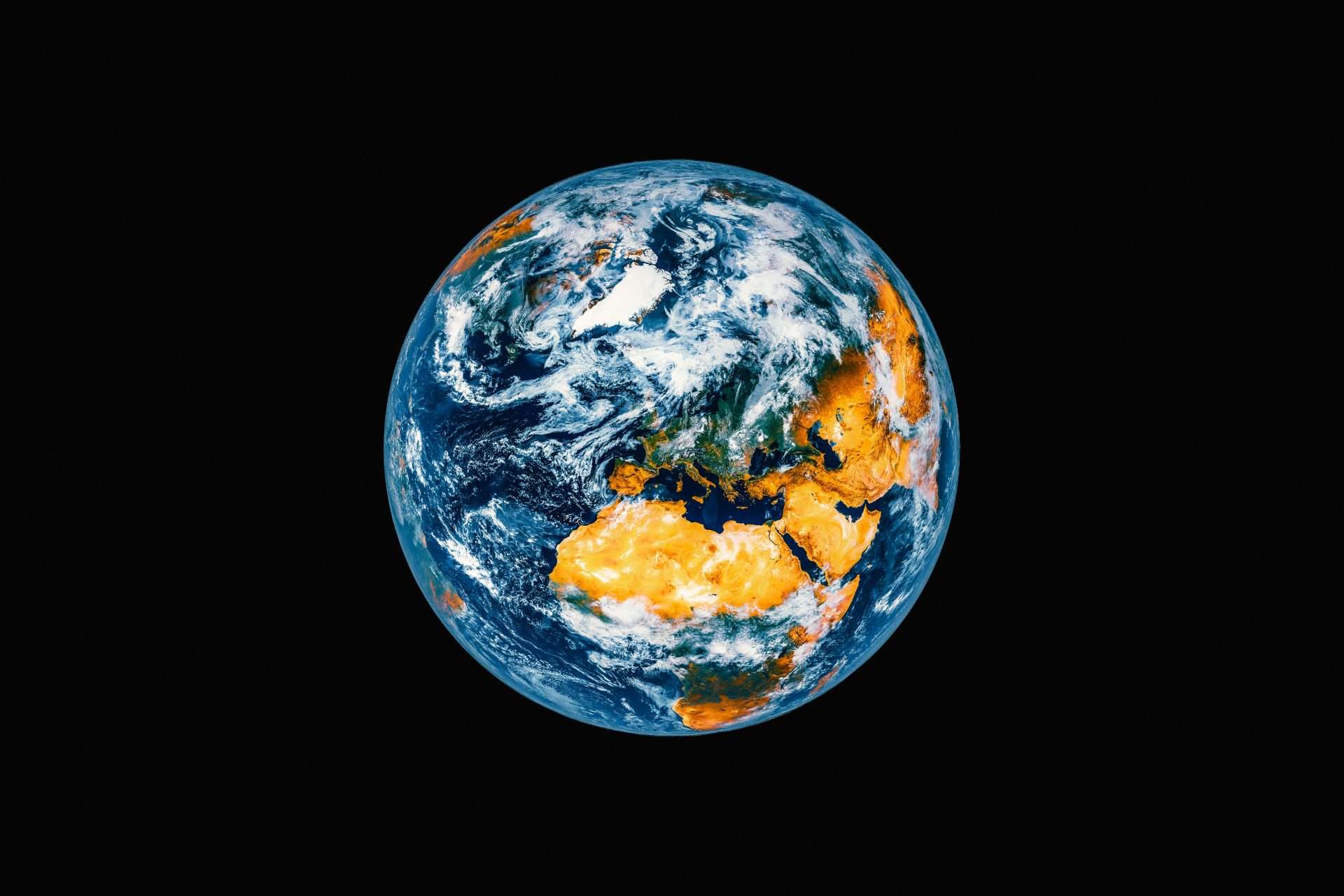
2026 is Set to Become the Second Year Above 1.5°C of Global Warming. Photo by ostudio on Unsplash
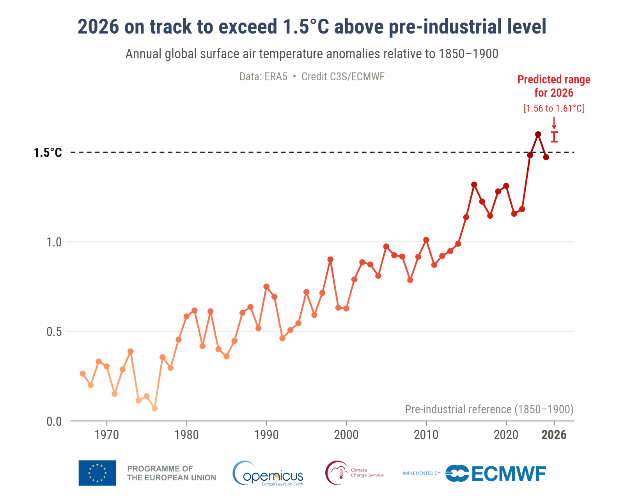
2026 is now virtually certain to become the second calendar year in which global temperatures exceed 1.5°C above pre-industrial levels. The first one was 2024. This comes amid exceptionally high ocean temperatures and a strengthening El Niño. In fact, El Niño is adding further heat to a climate already warmed by greenhouse gas emissions.
The Copernicus Climate Change Service (C3S) has reported that October 2026 was the warmest October on record globally. In fact, the average global surface air temperature reached 15.35°C, equivalent to 1.75°C above the estimated pre-industrial level.
The findings highlight how rapidly global warming is progressing, alongside the growing risks to human health, ecosystems, food systems, and infrastructure.
What Is Happening
- October breaks the global temperature record: October 2026 was 1.75°C above the estimated pre-industrial average, making it the warmest October on record and the third consecutive month above 1.5°C.
- 2026 is virtually certain to exceed 1.5°C: Copernicus estimates that the annual average will reach 1.56–1.61°C above pre-industrial levels, making 2026 the second calendar year to exceed this level after 2024.
- The four-year average is also expected to exceed 1.5°C: Global temperatures averaged over 2023–2026 are projected to surpass this level, highlighting the persistence of exceptionally high temperatures.
- Ocean temperatures remain exceptionally high: The average sea surface temperature outside the polar regions reached 20.95°C, the highest October value on record. El Niño conditions in the tropical Pacific continue to intensify.

- Europe experiences its second-warmest October: The average temperature over European land reached 11.51°C, 1.49°C above the 1991–2020 average. In particular, temperatures were high across Scandinavia and eastern Europe.
- Extreme weather continues across regions: Exceptionally low river flows persisted across parts of central and eastern Europe, affecting the Rhine, Danube and Vistula. Heavy rainfall and flooding also affected several countries, including the UK, Ireland, Spain, Greece and Türkiye. Dry conditions also affected parts of North America, South America, southern Africa and Asia; while unusually wet conditions were recorded in several regions, including central Asia, Australia and parts of Africa.
- Arctic and Antarctic sea ice remain below average: Arctic sea ice extent was 9% below average, ranking 13th lowest for October in the satellite record, with the Kara Sea reaching a record low. Antarctic sea ice extent was also 9% below average, ranking second lowest for October in the satellite record.
Why This Is Getting Worse
Carbon dioxide and other greenhouse gases from fossil fuels, industries and deforestation continue to trap heat in the climate system.
The oceans absorb much of this excess of energy. This is illustrated in a 2026 study, which found that global ocean heat content in the upper 2,000 metres increased by approximately 23 ± 8 zettajoules in 2025, reaching its highest level in the modern observational record. Moreover, human-driven warming may also be influencing El Niño itself. A 2025 study using large ensembles of climate models found that most models project more frequent and stronger El Niño–Southern Oscillation (ENSO) events as greenhouse gas emissions increase. El Niño can temporarily add to global temperatures, amplifying the effects of an already warming climate.
The Arctic is warming faster than the rest of the planet (at an average rate of 4 times the global average), amplifying polar change. Declining snow and sea ice reduces the Earth’s ability to reflect sunlight, allowing more heat to be absorbed and further accelerating regional warming. These changes contribute to sea ice loss, permafrost thaw and ecosystem disruption, with wider implications for global climate systems such an increased frequency and intensity of extreme weather events.
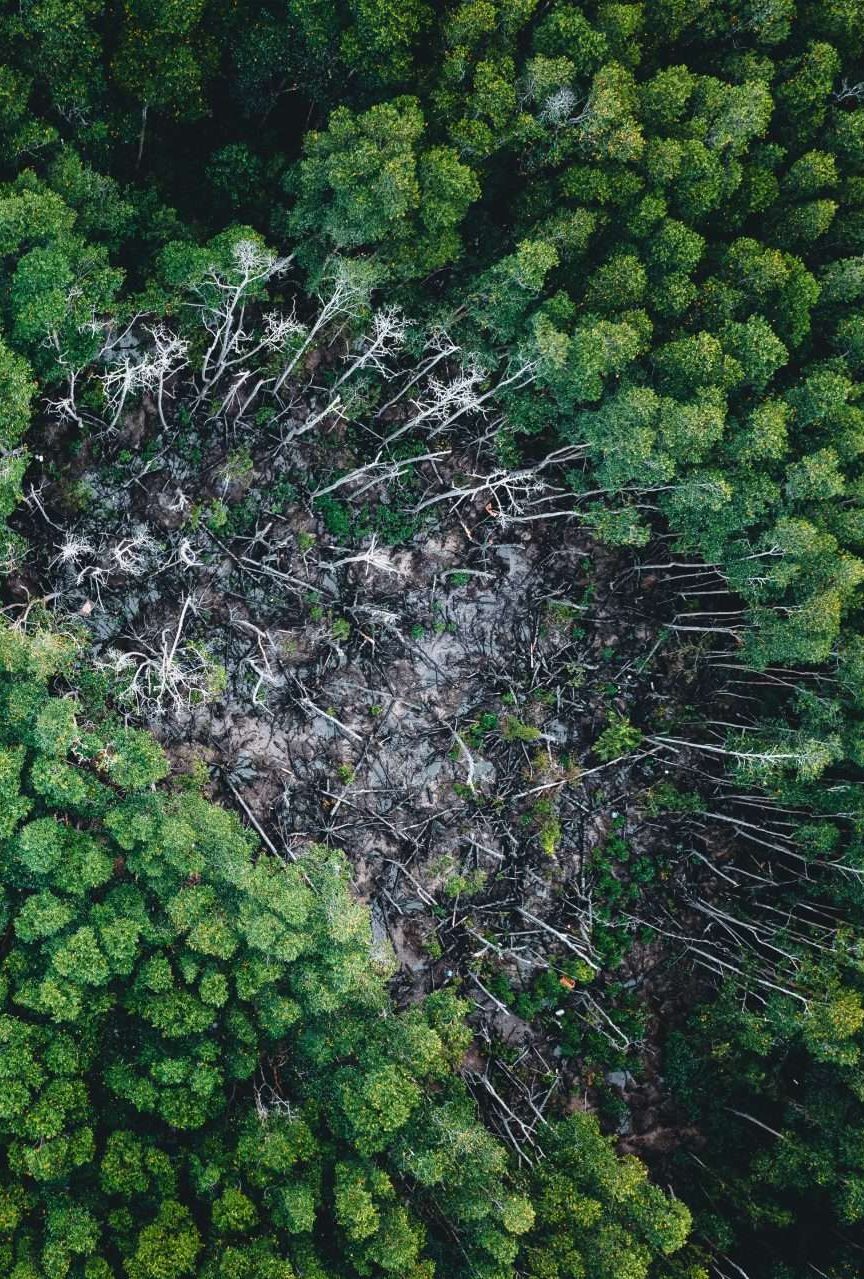
The consequences for human health and ecosystems are accelerating. The 2026 Lancet Countdown reports that annual average heat-related deaths increased by nearly 36%, compared with the preceding decade. This, only in the years following the Paris Agreement. Rising temperatures, extreme heat, drought and changing rainfall patterns are increasing pressure on food. As well as accelerating the threat to water security, infrastructure and vulnerable communities.
What This Means For People
- Rising heat-related illness: More frequent and intense heat increases the risk of heatstroke, dehydration, kidney disease and cardiovascular complications, particularly among older people and outdoor workers.
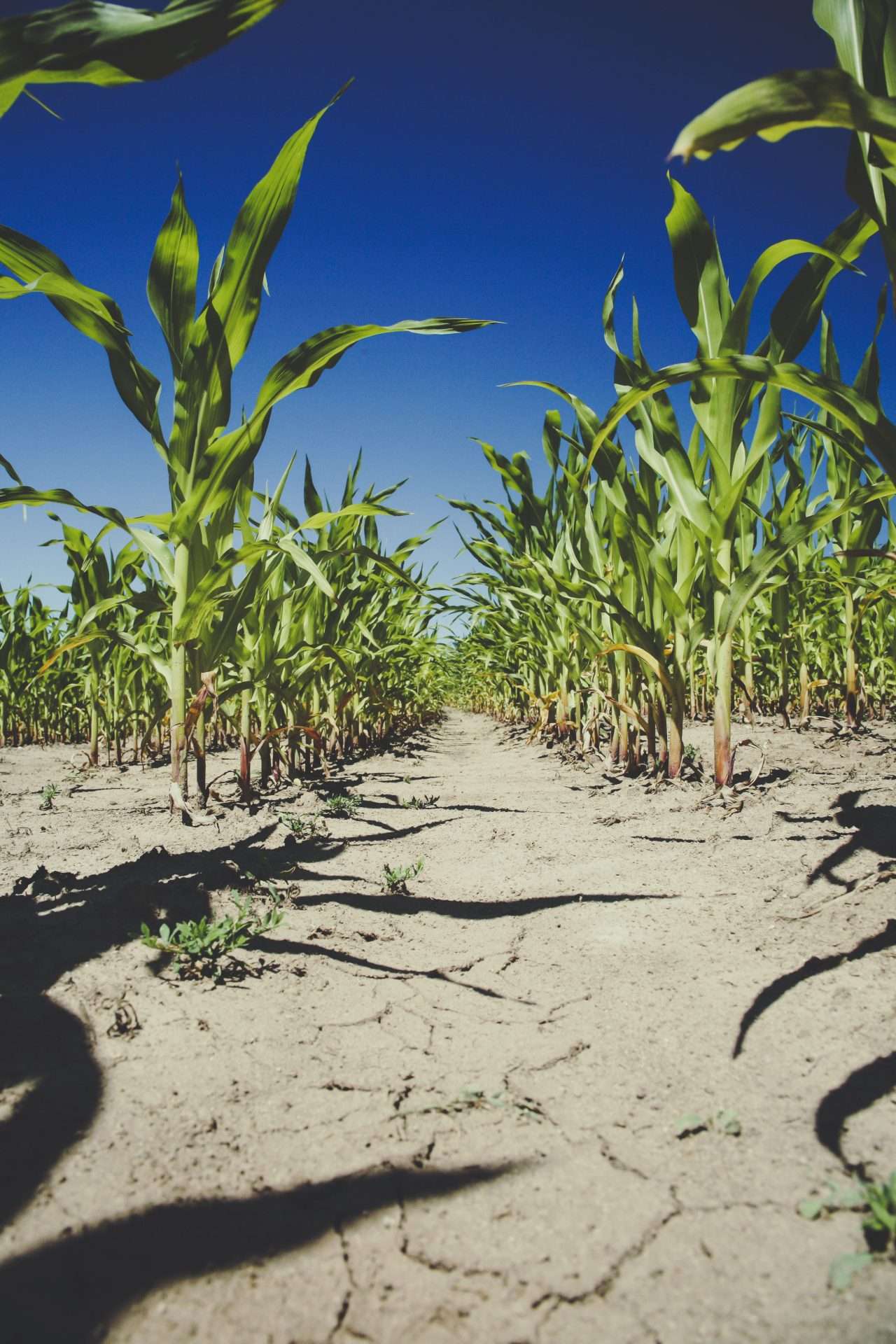
- Growing food insecurity: Heatwaves and droughts can damage crops, reduce livestock productivity and threaten food supplies, increasing the risk of malnutrition and rising food prices.
- Increasing infectious disease risks: Changing temperatures and rainfall patterns can expand the range of disease-carrying mosquitoes and ticks, increasing exposure to dengue, malaria, and Lyme disease.
- Disruption to essential services: Extreme heat, wildfires and flooding can damage electricity networks, disrupt transport and affect access to clean water and healthcare.
- Widening inequalities: Low-income households, children, pregnant women and people with existing health vulnerabilities often have fewer resources to protect themselves from climate extremes.
- Growing displacement: Sea-level rise, repeated flooding and prolonged drought can make homes and livelihoods increasingly difficult to sustain, forcing communities to relocate.
What YOU Can Do
- Reduce your carbon footprint: Choose low-carbon transport (walking, cycling, public transport) and reduce unnecessary flights.
- Save energy: Use energy-efficient appliances, switch off unused devices, and choose renewable electricity.
- Protect yourself from extreme heat: Stay hydrated, avoid outdoor activities during peak heat, and check on vulnerable people (older adults, children).
- Reduce food waste: Choose seasonal, locally produced and plant-based foods where possible.
- Save water: Fix leaks, take shorter showers, and avoid unnecessary water use.
- Stay prepared: Follow weather alerts and early warnings for heatwaves, floods, and storms.
- Support climate action: Participate in local initiatives and support policies that reduce greenhouse gas emissions.
- Subscribe to our Climate Alert Bulletin for monthly updates on how global climate risks impact you.

What Needs To Change Systemically
- Accelerate the reduction of greenhouse gas emissions: It is important to rapidly phase down fossil fuel use. Alongside, expanding renewable energy and improving energy efficiency to limit further warming.
- Strengthen climate adaptation: Invest in heat action plans, early warning systems, resilient infrastructure, water management, and disaster preparedness.
- Protect vulnerable populations: Expand access to healthcare, cooling, safe housing and social protection, for communities most exposed to climate hazards.
- Transform food and water systems: Support climate-resilient agriculture, sustainable water use, and food systems that can withstand increasing heat and rainfall variability.
- Strengthen international cooperation: Deliver climate finance and support for adaptation and loss and damage. This is important particularly in countries with limited resources and high climate vulnerability.
Read more: Extreme weather events | Health risks | Climate Risks Daily
Original source: https://climate.copernicus.eu/copernicus-warmest-october-record-2026-virtually-certain-exceed-15degc
What You Can Do?
Join the Fight Against World's Climate Crisis
SubscribeDiscover global climate challenges and the Polar connection
Spread the WordShare this page to raise awareness
Read More From the Global Risks Category
- Latest News
Caption Text Switzerland Reports First Locally Acquired Chikungunya Case
Switzerland reports that, for the first time, locally transmitted chikungunya cases have been confirmed in Switzerland, marking a significant... - Latest News
Caption Text More Than Half of Europe’s Ski Resorts Face an Uncertain Future
More than half of the ski resorts in Europe and facing uncertain futures. The cause? Climate change is making... - Latest News
Caption Text Why Climate Change Is a Global Health Emergency
Climate change is becoming a global health crisis, with rising temperatures, extreme weather and environmental changes putting lives and... - Latest News
Caption Text Global Greenhouse Gas Levels Reach Record Highs
Our agriculture, transportation, fossil fuel industry, Global greenhouse gas levels have reached high records. The World Meteorological Organization (WMO)... - Latest News
Caption Text Home for Christmas? What El Niño’s rains could mean for your journey and your family meal
Your holiday celebrations begin long before the meal is served. There is a lot to plan, someone to call... - Latest News
Caption Text Could Your Child’s Cough Be Caused by Air Pollution?
A child develops a cough during the dry season. In many communities, it is attributed to dust, changing weather,...


All Global Risks posts
