
November 23, 2026
More Than Half of Europe’s Ski Resorts Face an Uncertain Future
7 min read
Latest News
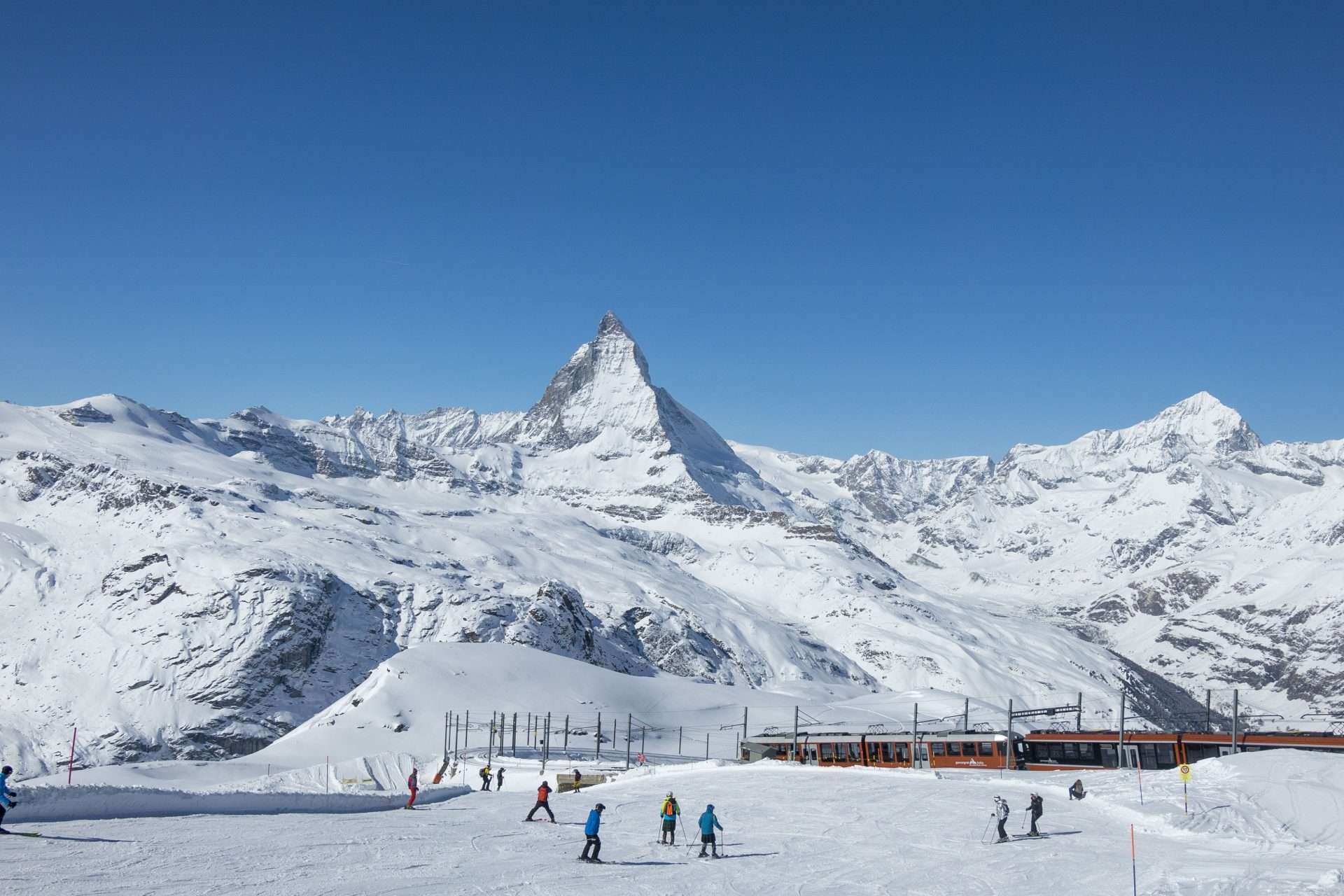
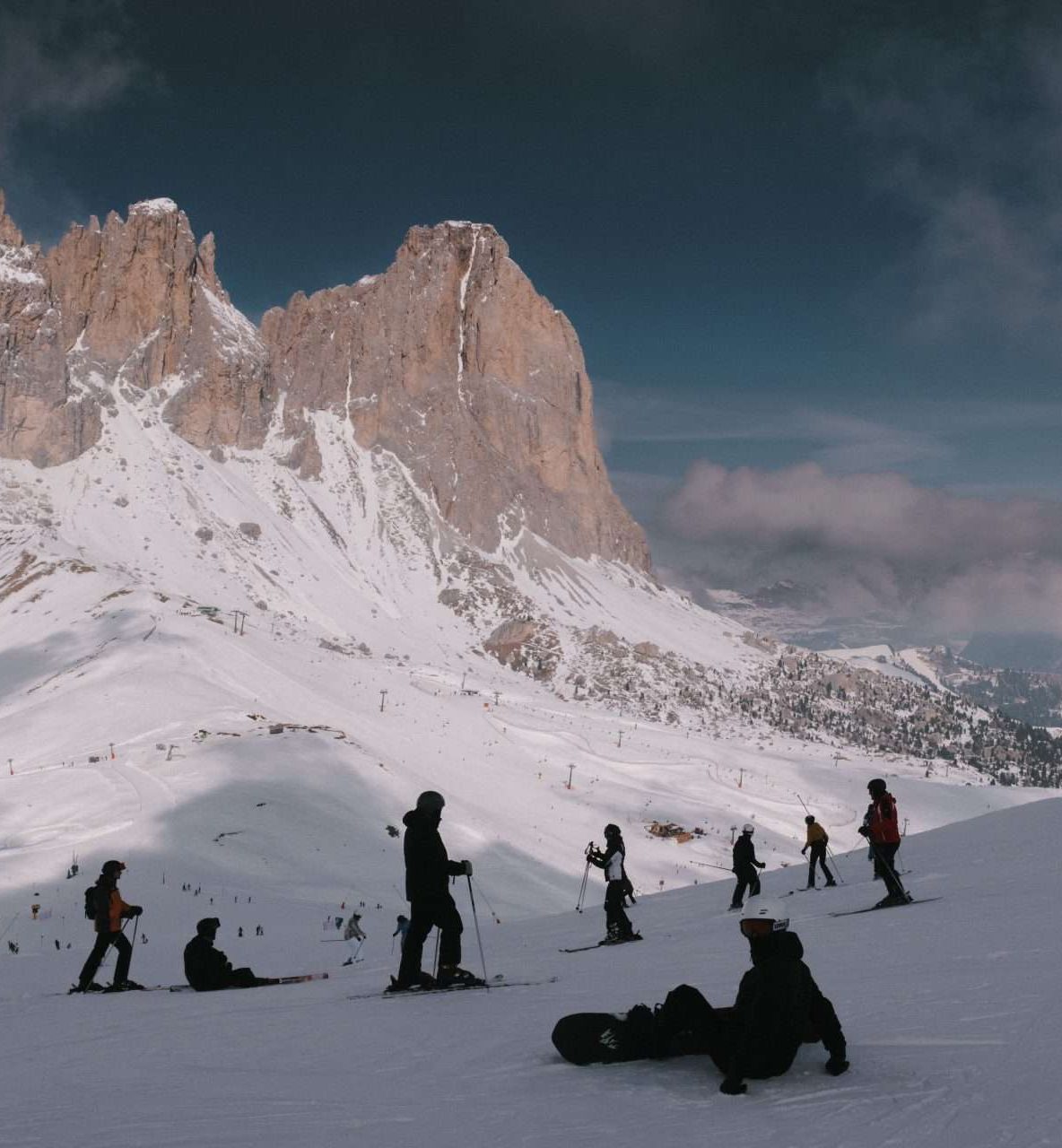
Skiers in Switzerland, a country where ski resorts are facing an uncertain future due to climate change. Credit: Phil Evenden
More than half of the ski resorts in Europe and facing uncertain futures. The cause? Climate change is making winter conditions increasingly unreliable for ski resorts across Europe, as rising temperatures and changing snowfall patterns reduce the availability of natural snow. Arctic warming, which is occurring faster than the global average, may further influence atmospheric circulation and weather patterns, contributing to changes in European winter temperatures and snowfall.
A report by the World Meteorological Organization (WMO) and the International Ski and Snowboard Federation (FIS), published on 3 November 2026, examines the growing challenges for winter sports and the role of weather and climate services in helping resorts prepare.
These changes are threatening tourism-dependent businesses, seasonal employment, and mountain communities.
What Is Happening: The Uncertainty Ski Resorts Face
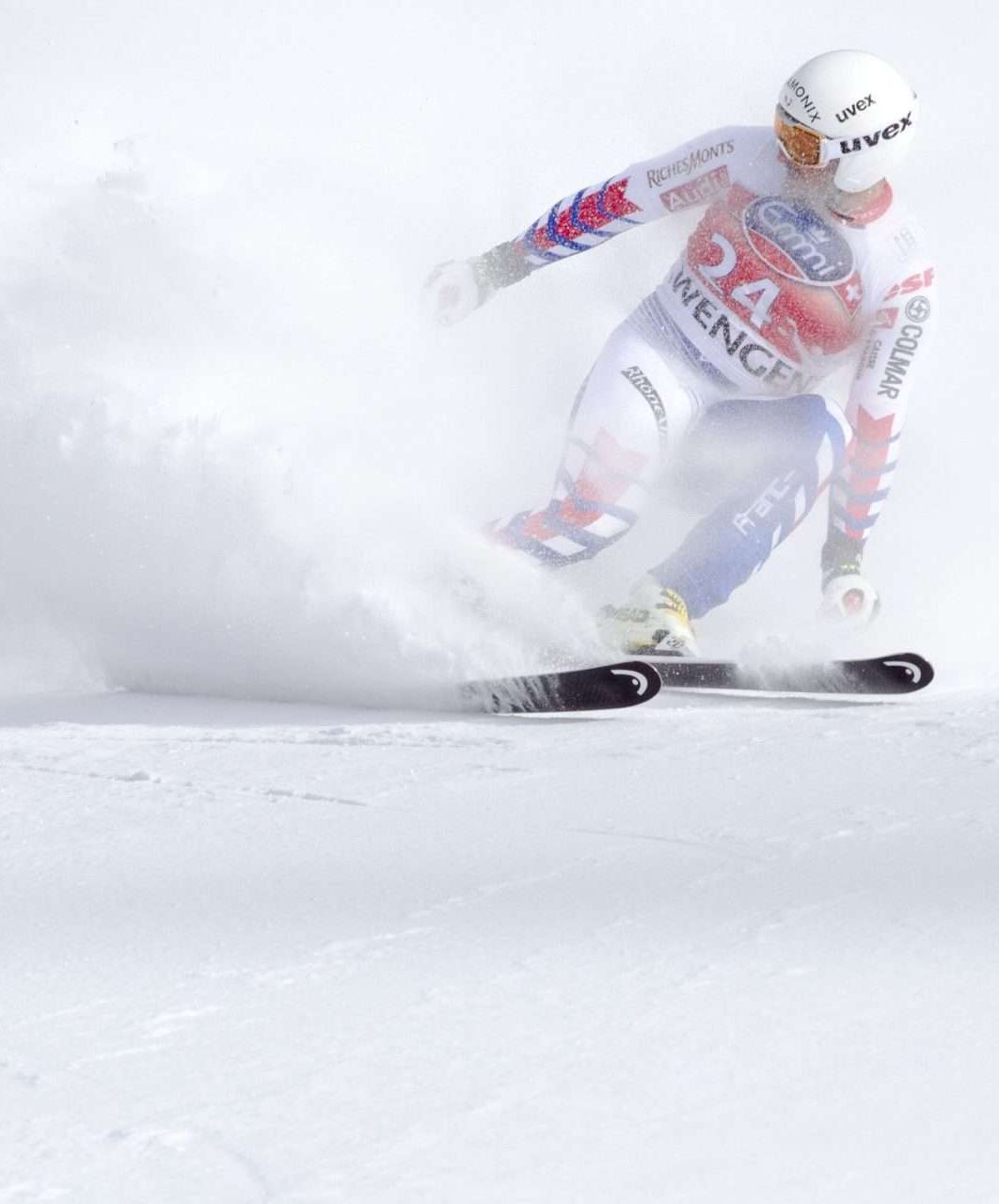
- During the 2025/2026 season, 25 Ski World Cup races were cancelled because of weather conditions, according to an internal FIS calculation.
- Western Europe experienced its warmest summer on record in 2026. Heatwaves and drought also contributed to severe glacier and snowpack losses in the Alps.
- The period 2015–2025 represents the warmest 11-year period on record globally, while glaciers have experienced widespread losses across all regions for four consecutive years.
- Snow cover duration has declined in nearly all regions, even at lower elevations, by an average of five days per decade, according to the Intergovernmental Panel on Climate Change (IPCC).
- Research published in Nature Climate Change estimates that 53% of 2,234 ski resorts across 28 European countries could face very high snow supply risks at 2°C of global warming without artificial snowmaking.
- In Switzerland, snowfall days at elevations below 800 metres have halved since 1970.
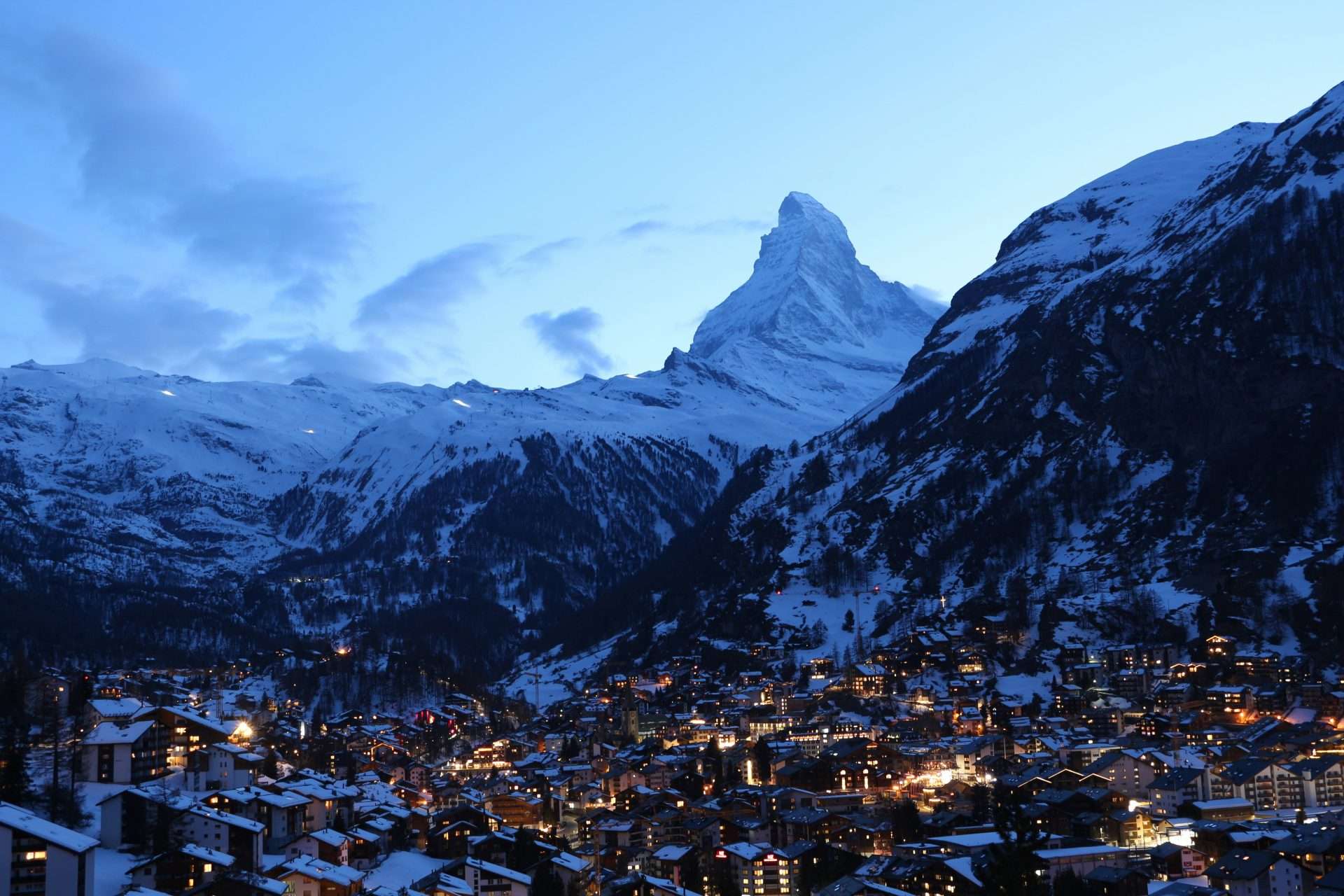
- Switzerland’s winter freezing level has risen from around 600 metres to 850 metres above sea level over the past 50 years. This means that areas at lower elevations are increasingly experiencing rain instead of snow, reducing natural snow cover for ski resorts.
- Between 2022 and 2026, Alpine glacier melt rates were more than twice those recorded in any previous monitored five-year period. Switzerland lost almost 20% of its glacier ice volume between 2021 and 2026.
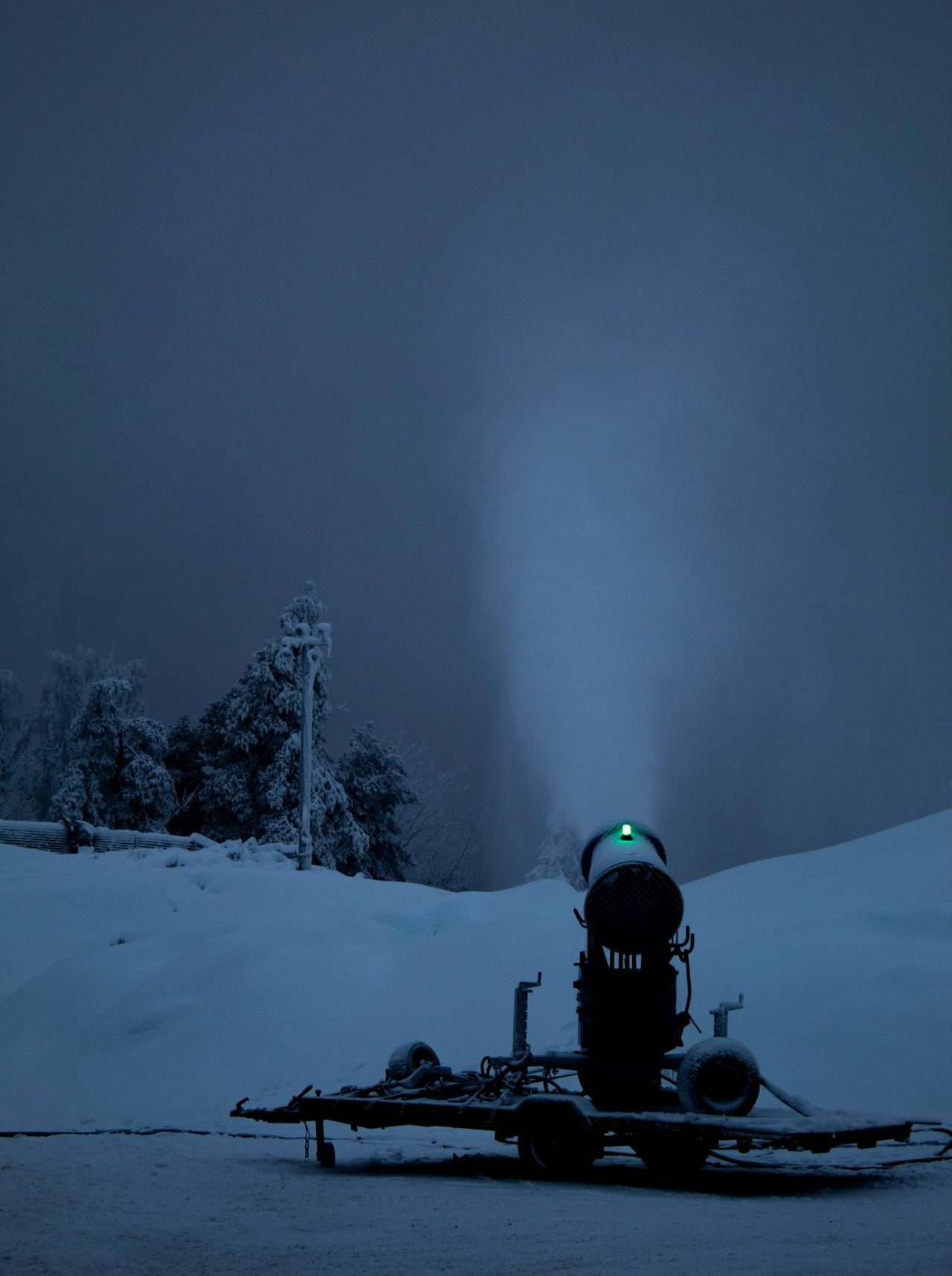
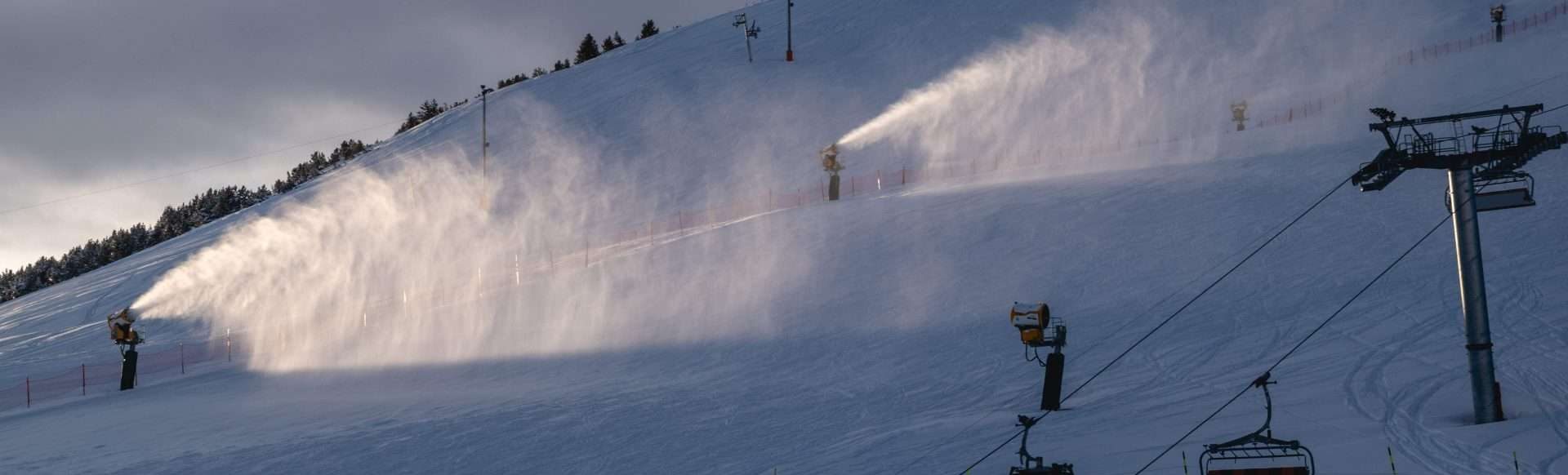
- Artificial snowmaking is becoming increasingly important for ski resorts, but warmer temperatures reduce the number of suitable conditions for producing snow. Water availability and rising energy costs create additional constraints.
Why This Getting Worse: The Reason Ski Resorts Face Uncertainty
Rising temperatures are shifting the snowline towards higher elevations, meaning more winter precipitation falls as rain rather than snow, at lower altitudes. Snow is also melting earlier in spring, which shortens the ski season. Glacier retreat and declining snowpack further affect seasonal water availability, creating additional challenges for resorts that rely on water for artificial snowmaking.
Arctic warming can also influence European winter weather by altering atmospheric circulation patterns, including the polar jet stream. The Arctic is warming faster than the global average, reducing the temperature difference between the Arctic and mid-latitudes. This can influence the movement of weather systems and the frequency and duration of cold spells across Europe. However, against a background of rising temperatures, cold spells are becoming less reliable, and precipitation is increasingly likely to fall as rain rather than snow. This makes natural snow accumulation less predictable.
What This Means For People
- Tourism and local economies: Reduced income for mountain communities (e.g. hotels, restaurants and ski rental businesses) as the ski season is shortening.
- Employment: Unreliable snow conditions threaten seasonal jobs, such as ski instructors, mountain guides and hospitality workers.
- Water availability: Increased snowmaking puts pressure on local water supplies, potentially competing with household and agricultural needs.
- Energy costs: Artificial snow production increases electricity demand and operating costs for ski resorts.
- Winter sports: Unreliable snow disrupts training, competitions and international events, affecting athletes and the wider sports industry.
- Safety: Changing snow and ice conditions, extreme rainfall and landslides increase risks for skiers, mountain workers and local communities.
What YOU Can Do
- Reduce carbon pollution: Choose lower-carbon transport when travelling to mountain destinations, such as trains and public transport instead of flights or individual car journeys.
- Choose responsible winter tourism: Support destinations that invest in environmental protection, renewable energy and sustainable water management.
- Diversify holiday activities: Consider hiking, cycling and other nature-based tourism activities outside the traditional ski season, where conditions permit.
- Conserve resources: Be mindful of water and energy consumption when staying at hotels and visiting mountain resorts.
- Support climate action: Support organisations and policies working to reduce greenhouse gas emissions and protect mountain ecosystems.
- Stay informed: Follow weather forecasts, avalanche bulletins and local safety warnings when visiting mountain regions.
- Subscribe to our Climate Alert Bulletin for monthly updates on how global climate risks impact you.
What Needs To Change Systemically
- Reduce greenhouse gas emissions: Accelerate the shift to renewable energy, energy-efficient systems and low-carbon transport to limit global warming.
- Strengthen weather and climate services: Improve access to reliable forecasts and climate projections to help resorts plan operations and investments (seasonal snow forecasts, extreme weather warnings).
- Improve climate risk assessments: Require resorts to assess future snow availability before expanding infrastructure, such as opening new ski lifts, slopes and hotels.
- Manage water and energy sustainably: Set limits on water use for artificial snowmaking and prioritise renewable electricity and efficient equipment.
- Diversify mountain economies: Reduce dependence on skiing by investing in year-round tourism, such as hiking, cycling, cultural tourism and nature-based activities.
- Protect mountain ecosystems: Restrict construction in sensitive areas and conserve forests, wetlands, glaciers and mountain water sources.
- Support workers and communities: Help tourism-dependent communities prepare for shorter ski seasons through alternative employment and economic opportunities. Examples can be: summer hiking and cycling tourism, nature guiding, local food production, cultural tourism and outdoor recreation.
- Strengthen international cooperation: Encourage meteorological agencies, researchers, ski associations and local authorities to share climate data, early warnings and adaptation strategies.
Read more: Extreme weather events | Health risks | Climate Risks Daily
Original source: Report on weather and climate services for ski resorts supports winter sports
What You Can Do?
Join the Fight Against World's Climate Crisis
SubscribeDiscover global climate challenges and the Polar connection
Spread the WordShare this page to raise awareness
Read More From the Global Risks Category
- Latest News
Caption Text 2026, the Second Year Above 1.5°C of Global Warming
2026 is now virtually certain to become the second calendar year, after 2024, in which global temperatures exceed 1.5°C... - Latest News
Caption Text Switzerland Reports First Locally Acquired Chikungunya Case
Switzerland reports that, for the first time, locally transmitted chikungunya cases have been confirmed in Switzerland, marking a significant... - Latest News
Caption Text Why Climate Change Is a Global Health Emergency
Climate change is becoming a global health crisis, with rising temperatures, extreme weather and environmental changes putting lives and... - Latest News
Caption Text Global Greenhouse Gas Levels Reach Record Highs
Our agriculture, transportation, fossil fuel industry, Global greenhouse gas levels have reached high records. The World Meteorological Organization (WMO)... - Latest News
Caption Text Home for Christmas? What El Niño’s rains could mean for your journey and your family meal
Your holiday celebrations begin long before the meal is served. There is a lot to plan, someone to call... - Latest News
Caption Text Could Your Child’s Cough Be Caused by Air Pollution?
A child develops a cough during the dry season. In many communities, it is attributed to dust, changing weather,...




All Global Risks posts
