
November 23, 2026
Latest News
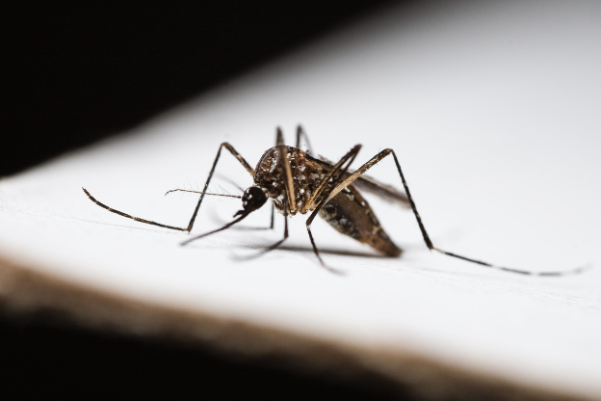
Switzerland Reports First Locally Acquired Chikungunya Case. Credit: Ignacio Vazquez
Switzerland reports that, for the first time, locally transmitted chikungunya cases have been confirmed, marking a significant development in the spread of mosquito-borne diseases in Europe. The cases highlight how infections previously associated with tropical and subtropical regions can increasingly emerge in areas where suitable mosquito vectors are established.
Chikungunya is a viral disease that can cause high fever and severe joint and muscle pain, with joint symptoms sometimes persisting for months or even years. Because of the changing climatic conditions, including warmer autumn temperatures, the period during which mosquitoes remain active and support virus transmission increases. These developments underscore the growing importance of monitoring mosquito-borne diseases in Europe.
Mosquito-borne diseases: What Is Happening
- First local transmission in Switzerland: Four locally acquired chikungunya cases have been confirmed in the Magadino Plain, in the canton of Ticino. The affected individuals had not recently travelled to regions where the virus circulates.
- The Asian tiger mosquito is the vector: The Asian tiger mosquito (Aedes albopictus), established in Ticino and other parts of Switzerland, can transmit the virus between people.
- How local transmission begins: An infected travellers returning from an affected region can introduce the virus into a local mosquito population. These mosquitoes can subsequently transmit the infection to other people.
- Warmer conditions may extend transmission: Warmer autumn temperatures can allow mosquitoes to remain active for longer and accelerate chikungunya virus replication, potentially extending the transmission season.
Spread of mosquito-borne diseases in Europe: Why This Getting Worse
Rising temperatures driven by greenhouse gas emissions can accelerate mosquito development and viral replication. At the same time, they reduce the time mosquitoes take to become infectious, and extend transmission seasons. Moreover, rainfall and humidity also influence mosquito breeding and survival.

A 2026 review of 104 studies found that chikungunya transmission is strongly influenced by temperature and precipitation, with climate change potentially expanding transmission into higher latitudes and elevations. The Asian tiger mosquito (Aedes albopictus) is establishing populations across Europe and other temperate regions. Between 2013 and 2023, its distribution expanded from 8 to 13 EU/EEA countries, with affected regions increasing from 114 to 337.
A 2025 study published in The Lancet Planetary Health found that a 1°C increase in mean summer temperature was associated with a 55% higher hazard of dengue or chikungunya outbreaks in European regions where the mosquito had established. Under a high emissions scenario, outbreaks could increase almost fivefold by the 2060s.
Arctic warming may also influence European disease risks.
The Arctic is warming rapidly, and declining sea ice can influence atmospheric circulation and European summer weather. A 2025 study linked accelerated Arctic sea ice decline to atmospheric circulation changes that contribute to more intense European heatwaves. These warmer conditions could indirectly support mosquito activity and disease transmission in parts of Europe.
What This Means For People
- Growing health risks: The spread of chikungunya into new regions puts more people at risk of infection. This includes populations and health systems with limited experience in detecting and managing the disease.
- Prolonged illness: Severe joint pain can persist for months or even years in some patients. These affect patients’ mobility, ability to work and quality of life.
- Pressure on healthcare systems: Outbreaks can increase demand for diagnostic services and healthcare. This happens particularly in regions with limited disease surveillance and treatment capacity.
- Unequal vulnerability: Communities with limited access to healthcare, safe water and adequate sanitation may face greater difficulties in preventing infections and responding to outbreaks.
What YOU Can Do
- Remove standing water from containers, plant pots and other household surroundings.
- Use mosquito repellents and protective clothing in areas where tiger mosquitoes are present.
- Seek medical advice if fever, joint pain or other symptoms develop after travel to an affected region and inform the doctor about travel history.
- Subscribe to our Climate Alert Bulletin for monthly updates on how global climate risks impact you.

What Needs To Change Systemically
- Strengthen mosquito surveillance: Maintain long-term monitoring of Asian tiger mosquito populations, in regions where the species has become established.
- Improve early warning systems: Integrate temperature, rainfall, mosquito activity and disease surveillance data to identify periods and locations of increased transmission risk.
- Expand mosquito control: Remove breeding sites through improved drainage, waste management, and community participation. Cover or regularly empty containers holding standing water.
- Strengthen healthcare preparedness: Improve diagnostic capacity so healthcare professionals can identify chikungunya infections, including in patients without recent travel history.
- Sustain research and investment: Support research into mosquito behaviour, virus transmission at different temperatures and locally effective control measures.
- Address climate change: Reduce greenhouse gas emissions and strengthen adaptation planning to limit growing climate-related health risks.

Read more: Extreme weather events | Health risks | Climate Risks Daily
Original source: https://www.myscience.ch/en/news/wire/expert_comment_first_local_chikungunya_transmission_confirmed_in_switzerland-2026-swisstph
What You Can Do?
Join the Fight Against World's Climate Crisis
SubscribeDiscover global climate challenges and the Polar connection
Spread the WordShare this page to raise awareness
Read More From the Global Risks Category
- Latest News
Caption Text 2026, the Second Year Above 1.5°C of Global Warming
2026 is now virtually certain to become the second calendar year, after 2024, in which global temperatures exceed 1.5°C... - Latest News
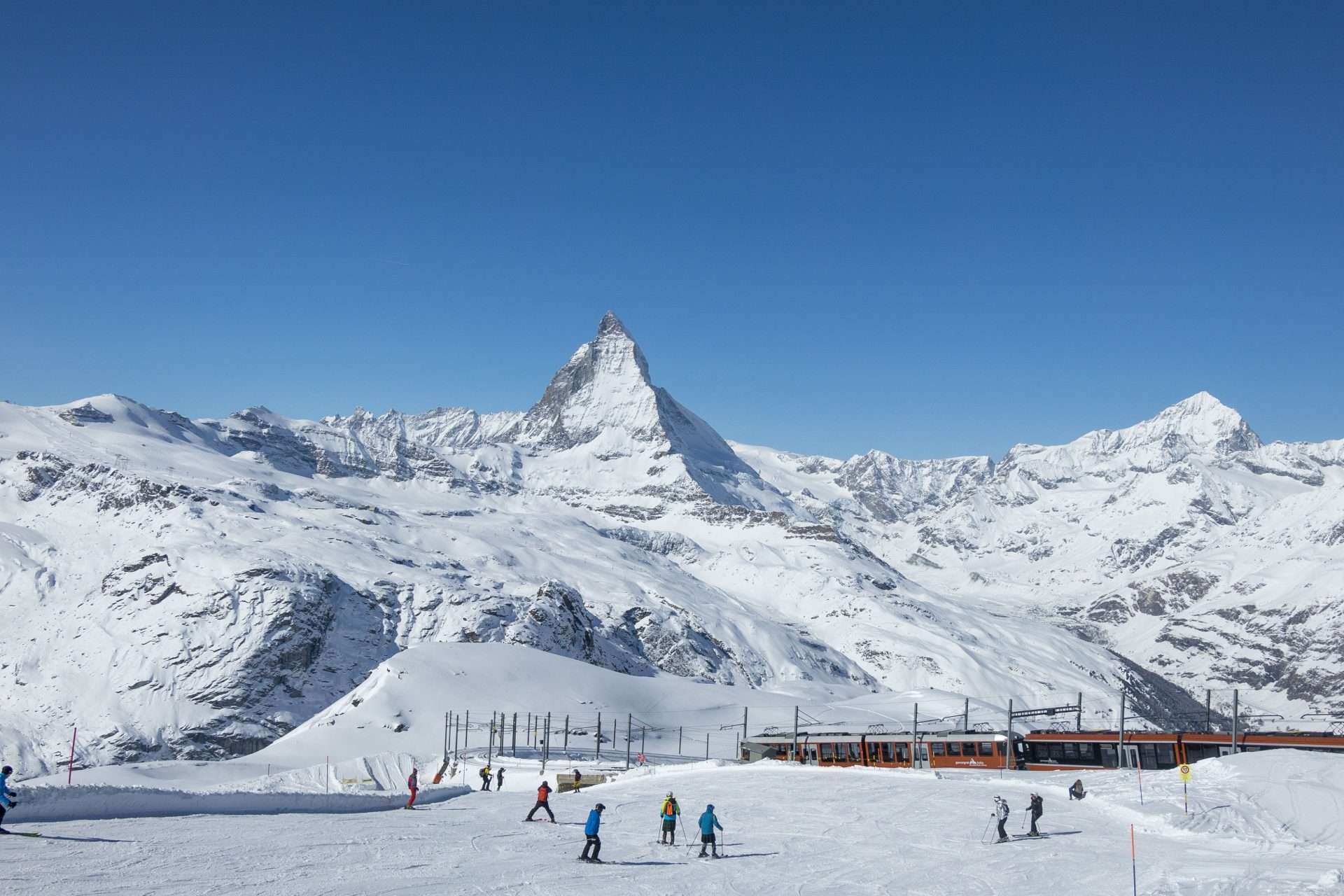
Caption Text More Than Half of Europe’s Ski Resorts Face an Uncertain Future
More than half of the ski resorts in Europe and facing uncertain futures. The cause? Climate change is making... - Latest News
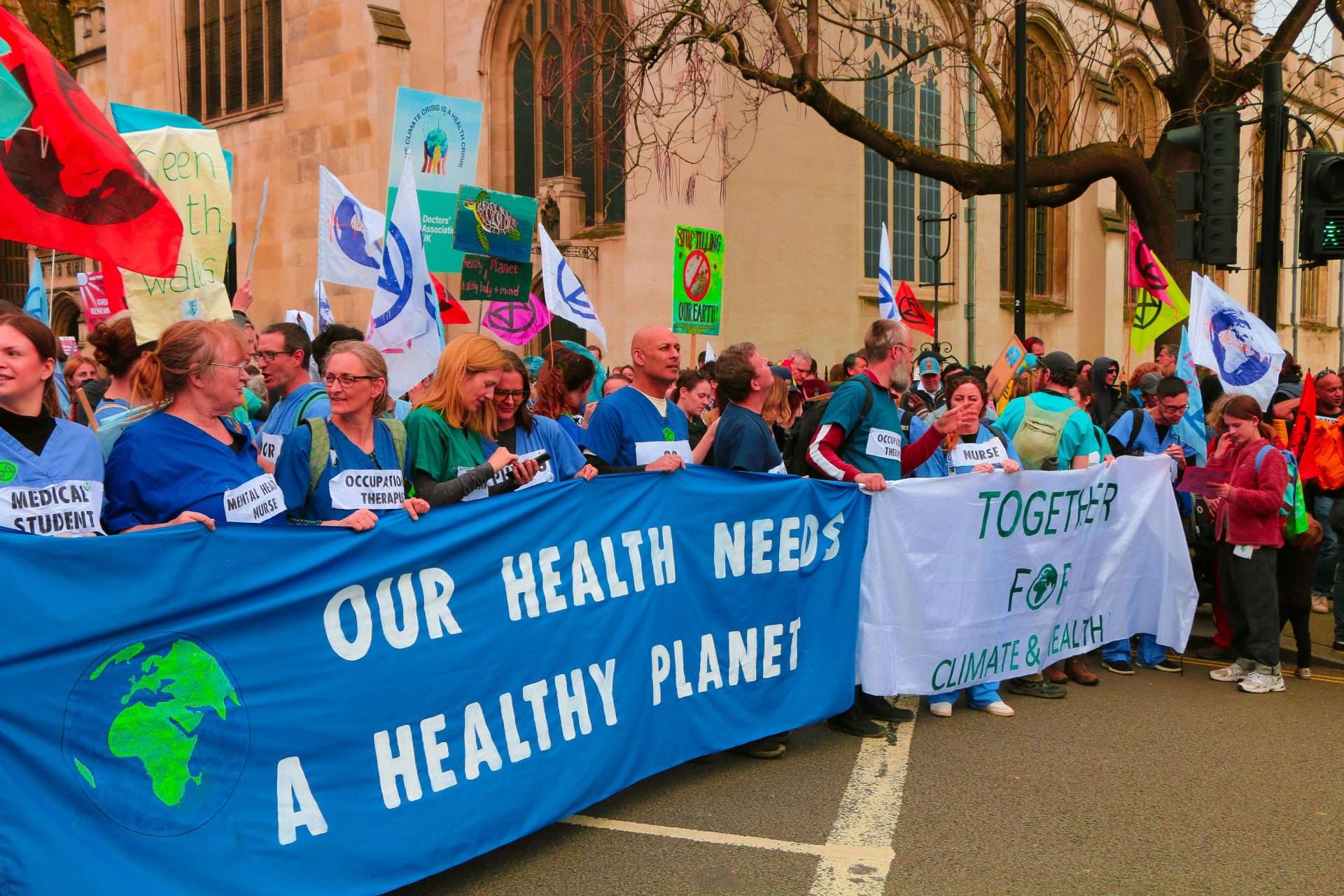
Caption Text Why Climate Change Is a Global Health Emergency
Climate change is becoming a global health crisis, with rising temperatures, extreme weather and environmental changes putting lives and... - Latest News
Caption Text Global Greenhouse Gas Levels Reach Record Highs
Our agriculture, transportation, fossil fuel industry, Global greenhouse gas levels have reached high records. The World Meteorological Organization (WMO)... - Latest News
Caption Text Home for Christmas? What El Niño’s rains could mean for your journey and your family meal
Your holiday celebrations begin long before the meal is served. There is a lot to plan, someone to call... - Latest News
Caption Text Could Your Child’s Cough Be Caused by Air Pollution?
A child develops a cough during the dry season. In many communities, it is attributed to dust, changing weather,...


All Global Risks posts
