
September 2, 2026

Latest News
The Swiss Alps are confronted with severe thawing. Location: Melts, Switzerland. Credit: Dzmitry Charnou, Pexel.
Permafrost is thawing in different regions across the word. A new global assessment has found widespread permafrost degradation across the Arctic, Antarctica and high-mountain regions. These places show that the ground layer thaws each summer, becoming significantly deeper at many monitored sites. The study analysed field measurements of active-layer thickness from 156 monitoring sites between 2000 and 2024. It consists in one of the most extensive observational assessments of global permafrost change during the first quarter of the 21st century.
The active layer is the upper layer of ground above permafrost that freezes and thaws each year. As this layer becomes deeper, more previously frozen ground is exposed to seasonal thaw. This potentially contributes to greenhouse gas emissions, ecosystem changes, ground instability and other hazards. Active-layer thickness increased significantly at 55% of Arctic sites and 38% of Antarctic sites. Other significant increases were found in more than 90% of monitored sites in European mountains and high-elevation Asia. Significant increases were also observed at sites in South America.
This demonstrates that permafrost degradation is occurring across multiple regions worldwide.
What is Happening?
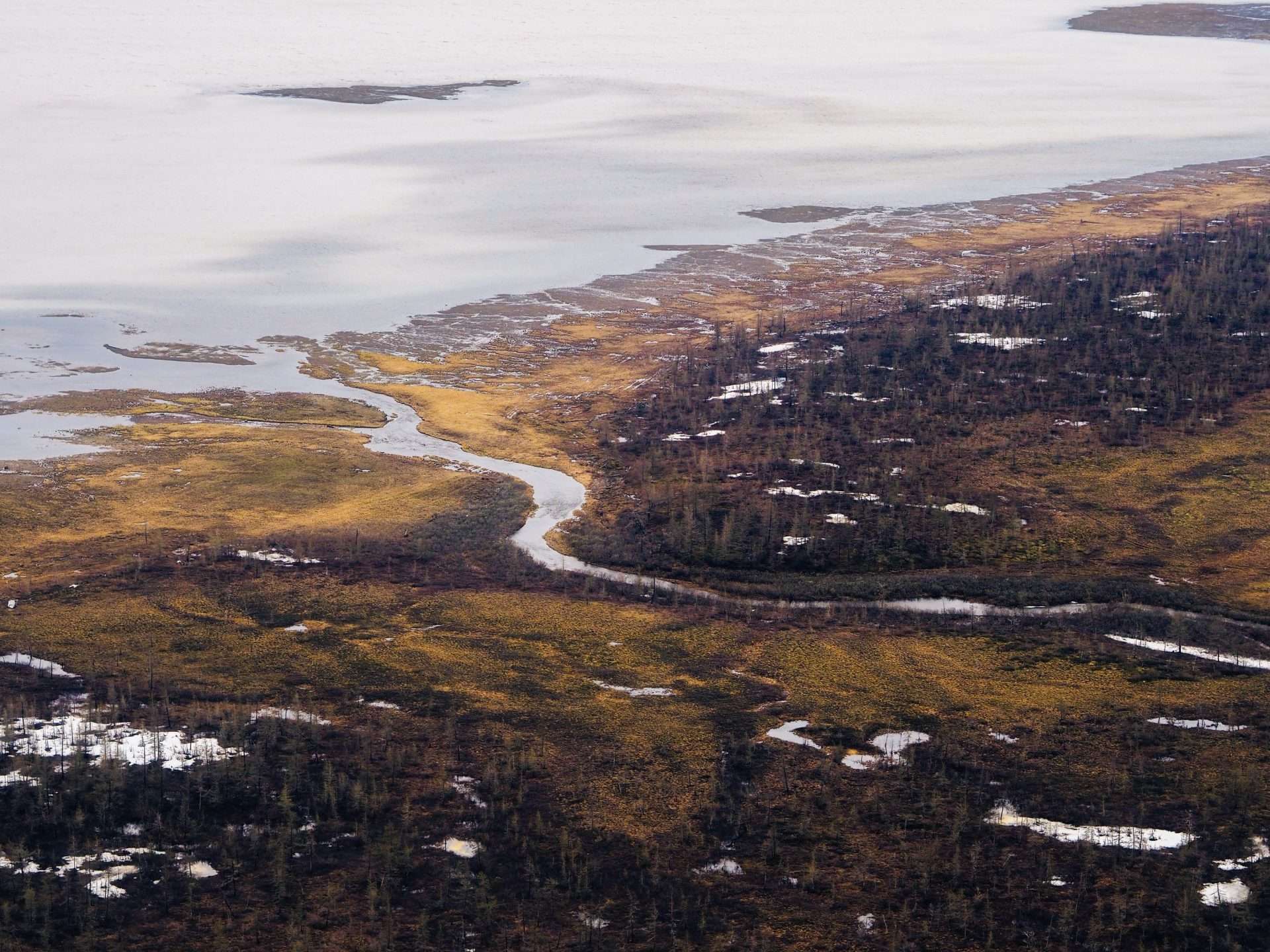
- Permafrost is degrading worldwide: In the Northern Hemisphere, 66.4% of monitored sites (91 out of 137)showed a significant increase in active-layer thickness, compared with just 1.5% (2 sites) that showed a significant decrease. In the Southern Hemisphere, 42.1% (8 out of 19) showed significant increases.
- Mountain permafrost is changing fast: More than 90% of monitored sites in European mountains and high-elevation Asia showed significant increases. These regions recorded the largest changes in the study, with the active layer doubling at several sites.
- European mountains saw some of the fastest increases: Active-layer thickness increased by an average of 10.3 ± 9.9 cm per year, reaching as much as 36.2 cm per year at some high-elevation bedrock sites in the Swiss Alps.
- Some active layers are already several metres deep: At Schilthorn, Switzerland, the active layer exceeded 13 metres in 2022, the deepest recorded at that site.
- High-elevation Asia is also changing rapidly: Sites in China and Mongolia saw increases of 0.8–6.4 cm per year, averaging around 3.6 cm per year.
- The Arctic continues to see deepening: Arctic sites increased by an average of 0.8 ± 0.8 cm per year, with discontinuous permafrost generally changing faster than continuous permafrost.
- Antarctic permafrost is changing too: Active-layer thickness increased by an average of 2.5 ± 2.8 cm per year, reaching 7.2 cm per year at Signy Island in the maritime Antarctic.
- South America is also seeing significant change: In the Central Andes, active layers were already around 3–6 metres deep and increased by 2.0–6.1 cm per year.
Why This Keeps Getting Worse
Permafrost is ground that remains at or below 0°C for at least two consecutive years.
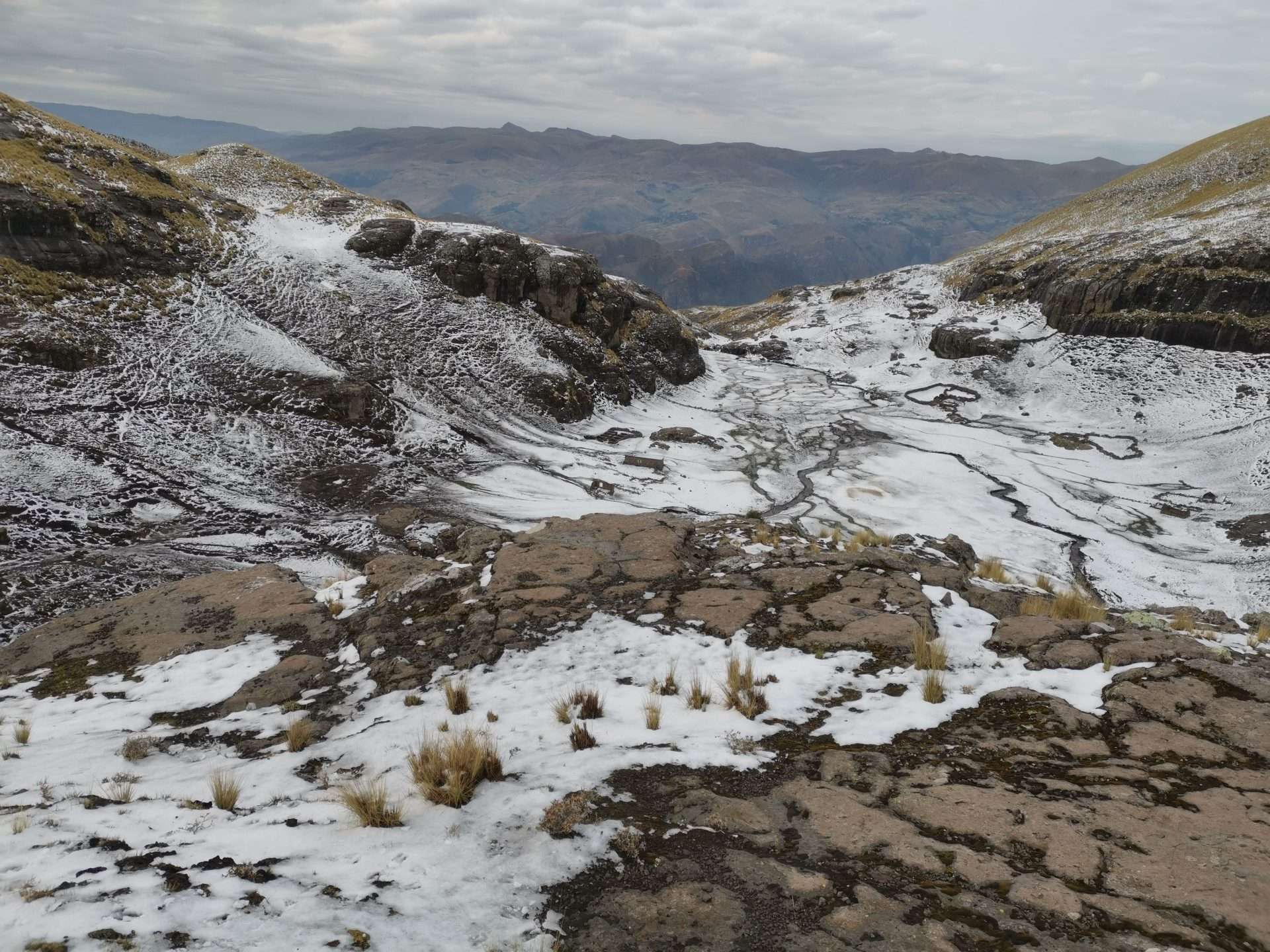
As the climate warms, the active layer, which is the surface layer that thaws each summer, can become deeper. This exposes previously frozen soil and changes how water, vegetation and carbon move through the landscape. This is part of a much broader pattern of polar and high latitude change. The Arctic is warming faster than the global average. Thus, glaciers and ice sheets are losing mass, land and sea ice is declining, and permafrost is thawing. These changes are closely connected because warming does not simply affect the polar regions; it can also alter physical and biological processes that influence the global climate system (increase frequency and intensity of extreme weather).
Permafrost contains large amounts of previously frozen organic carbon, which can become available for decomposition as the ground thaws, potentially releasing carbon dioxide and methane and creating an additional source of warming. Thawing can also cause ground subsidence, changes in drainage, ecosystem disruption, slope instability and infrastructure damage. This creates a difficult feedback loop: climate change drives permafrost thaw, while thawing permafrost can release greenhouse gases that contribute to further climate change. The faster these changes occur, the greater the challenge for ecosystems, communities and infrastructure to adapt.
What This Means for People
- Infrastructure: Thawing ground can cause subsidence and damage buildings, roads, pipelines, airports and other infrastructure built on frozen ground.
- Mountain hazards: Rapid permafrost change can destabilise steep slopes, increasing the risk of rockfalls, landslides and other hazards.
- Arctic and Indigenous communities: Changes in permafrost can affect homes, roads, water systems and access to hunting, fishing and travel routes, disrupting livelihoods and cultural practices. Increasing uncertainty and the need to adapt can also affect mental wellbeing.
- Ecosystems and water: Thawing can change soil moisture, drainage, vegetation and water movement affecting ecosystems and water resources.
- Pathogens and chemicals: Thawing ground can expose previously frozen pathogens, microorganisms and chemical contaminants, creating potential environmental and public health risks that are still being studied.
The Urgent Response Needed
What Needs to Change:
- Strengthen permafrost monitoring: Combine ground measurements, satellite observations and climate data to build a clearer picture of how permafrost is changing.
- Plan for changing ground conditions: Update infrastructure planning to account for current and future permafrost thaw.
- Focus on mountain hazards: Plan risk mitigation including evacuation of communities in areas where thawing permafrost could increase landslides and rockfalls.
- Keep monitoring over decades: Long-term observations are essential to understand how and why permafrost is changing.
What YOU Can Do:
- Stay aware of landslide, flood and ground-instability risks in high-latitude and mountain regions.
- Be informed that permafrost thaw is a global issue, affecting the Arctic, Antarctic, mountains in Europe and Asia, and South America.
- Support climate action and adaptation to reduce carbon pollution and prepare for changes already underway. If you can, choose one action from the UN Actions for a Healthy Planet list (e.g., reducing energy use, choosing lower-carbon transport). Check the impact of your actions here.
Read more: Extreme weather events | Health risks | Climate Risks Daily
Original source: https://www.nature.com/articles/s43247-026-03824-1#Sec2
What You Can Do?
Join the Fight Against World's Climate Crisis
SubscribeDiscover global climate challenges and the Polar connection
Spread the WordShare this page to raise awareness
Read More From the Global Risks Category
- Latest News
Caption Text Storm Boelo Disrupts Power Supply to 90,000 UK Properties
Storm Boelo disrupted power supply in the UK. It brought severe winds and flooding to some parts of Scotland... - Latest News
Caption Text Arctic Permafrost Thaw Contaminates Drinking Water in Norwegian Town
Residents of Longyearbyen, a town in Norway’s Svalbard group of islands, have been advised not to drink tap water... - Latest News
Caption Text Afghanistan’s Drought Crisis Is Pushing Girls into Child Marriage
Drought, hunger and extreme poverty are pushing families in Afghanistan into desperate choices, with some parents arranging marriages for... - Latest News
Caption Text 5 Steps to Biodiversity Metrics With Data You Already Have
For many businesses, nature-related reporting feels like another compliance burden, with new frameworks and data requests but little obvious... - Latest News
Caption Text Hurricane Polo Shows How Climate Change Is Making Pacific Storms Stronger
Hurricane Polo rapidly intensified in the eastern Pacific in September 2026, becoming a Category 5 hurricane within about 24... - Latest News
Caption Text Indonesia’s Wildfires Are Creating a Major Health and Haze Crisis
Indonesia is facing a severe wildfire crisis as unusually dry conditions fuel fires across Sumatra and Borneo. The resulting...


All Global Risks posts
