
March 19, 2023

Latest News
In Bangladesh, the southeastern region received 342 milimeters of rain on August 7th, which was the highest amount since 1988. Officials reported that monsoon rains and subsequent flooding in southeast Bangladesh have affected at least 1.2 million people. According to Oxfam nearly 300,000 people in Cox’s Bazar have been impacted, with thousands having been displaced. In Bandarban (Chattogram region), around 30.000 people were stranded, with hundreds losing their homes due to landslides.
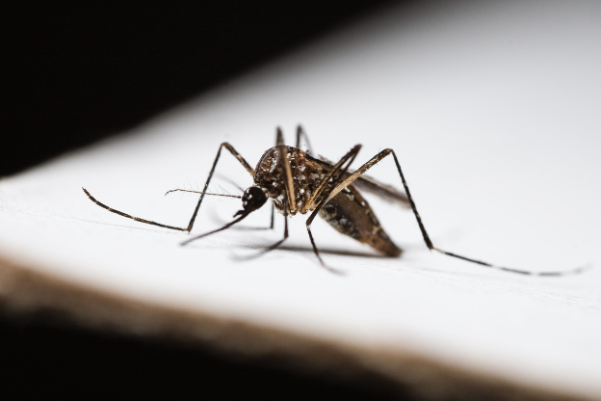
Additionally, Bangladesh is currently facing its most severe dengue outbreak on record, with over 135,000 cases reported and more than 600 fatalities since April. WHO’s Alert and Response Director, Abdi Mahamud, said the climate crisis and this year’s El Niño weather pattern are worsening the problem. Although dengue fever is typically endemic in Bangladesh, with cases usually surging during the monsoon season, this year, the increase in cases began as early as the end of April. In February 2024, 657 dengue patients are still undergoing treatment at different hospitals across the country. The record-breaking number of dengue cases and deaths in Bangladesh can be traced back to the unusual amount of rainfall, coupled with high temperatures and humidity. These conditions have resulted in a significant rise in the mosquito population across the country, according to WHO. Such warm and wet conditions are conducive to the breeding of disease-carrying mosquitoes. As global temperatures continue to rise due to fossil fuel emissions, similar outbreaks are likely to emerge in new regions. WHO warns that the worldwide number of dengue cases has already increased eight-fold in the last two decades.
Read our blog: SDGs On Thin Ice: Arctic Warming and Climate Crisis in Bangladesh
Read more about extreme weather here.
Read more about health risks here.
Read more about SDGs here.
What You Can Do?
Join the Fight Against World's Climate Crisis
SubscribeDiscover global climate challenges and the Polar connection
Spread the WordShare this page to raise awareness
Read More From the Global Risks Category
- Latest News
Caption Text 2026, the Second Year Above 1.5°C of Global Warming
2026 is now virtually certain to become the second calendar year, after 2024, in which global temperatures exceed 1.5°C... - Latest News
Caption Text Switzerland Reports First Locally Acquired Chikungunya Case
Switzerland reports that, for the first time, locally transmitted chikungunya cases have been confirmed in Switzerland, marking a significant... - Latest News
Caption Text More Than Half of Europe’s Ski Resorts Face an Uncertain Future
More than half of the ski resorts in Europe and facing uncertain futures. The cause? Climate change is making... - Latest News
Caption Text Why Climate Change Is a Global Health Emergency
Climate change is becoming a global health crisis, with rising temperatures, extreme weather and environmental changes putting lives and... - Latest News
Caption Text Global Greenhouse Gas Levels Reach Record Highs
Our agriculture, transportation, fossil fuel industry, Global greenhouse gas levels have reached high records. The World Meteorological Organization (WMO)... - Latest News
Caption Text Home for Christmas? What El Niño’s rains could mean for your journey and your family meal
Your holiday celebrations begin long before the meal is served. There is a lot to plan, someone to call...



All Global Risks posts
