
December 17, 2024
Cyclone Chido Devastates Mayotte – worst storm in 90 years to hit the territory.
2 min read

Latest News
Starting December 15th, cyclone Chido has left a trail of destruction across Mayotte, a small archipelago in the Indian Ocean between Madagascar and Mozambique, with local authorities fearing a death toll that could reach several hundred, possibly thousands. The cyclone struck with gusts exceeding 226 kph (140 mph), uprooting trees, toppling power lines, and devastating homes in the French Indian Ocean territory. As rescue efforts are underway, the catastrophic impact highlights the growing frequency and intensity of such cyclones amplified by climate change.
The cyclone has disrupted life for Mayotte’s 320,000 residents, 77% of whom live below the national poverty line with a third of the citizens living in makeshift housing. Clean water and electricity, which is already scarce, have now become inaccessible. The cyclone has also severely damaged hospitals and schools, leaving local authorities scrambling to deliver emergency aid. The destruction was not confined to Mayotte. Mozambique’s northern provinces experienced damaging winds and flooding, while heavy rains from the cyclone’s remnants threaten flash floods in Malawi, Zimbabwe, and Zambia. The United Nations Office for the Coordination of Humanitarian Affairs (OCHA) has warned that 1.7 million people across all regions are at risk from Chido’s aftermath.
Cyclone Chido is not an isolated event. Experts agree it is part of a broader pattern of increasingly powerful tropical storms driven by climate change. Cyclones draw energy from warm ocean waters. This year, Indian Ocean surface temperatures have reached record highs, with 90% of the warming attributed to anthropogenic emissions, providing a supercharged environment for Chido. The higher the sea temperatures, the more moisture and energy a cyclone can absorb, intensifying its strength. Moreover, warmer climates are associated with slower-moving cyclones, which can linger longer over affected regions. The longer the storm is over a region,it increases the amount of rainfall and the extent of flooding, compounding the damage.
Cyclone Chido serves as a grim reminder of the urgency to address climate change. Mitigation and adaptation measures are critical to protect vulnerable regions. Achieving net-zero emissions is essential to slow the warming of oceans and reduce cyclone intensity. Furthermore, expanding and enhancing weather forecasting capabilities can save lives by providing communities more time to prepare.
Feature image: The path of Tropical Cyclone Chido, Credit: Emergency Response Coordination Centre (ERCC).
For more such stories check out Climate Risks Daily .
What You Can Do?
Join the Fight Against World's Climate Crisis
SubscribeDiscover global climate challenges and the Polar connection
Spread the WordShare this page to raise awareness
Read More From the Global Risks Category
- Latest News
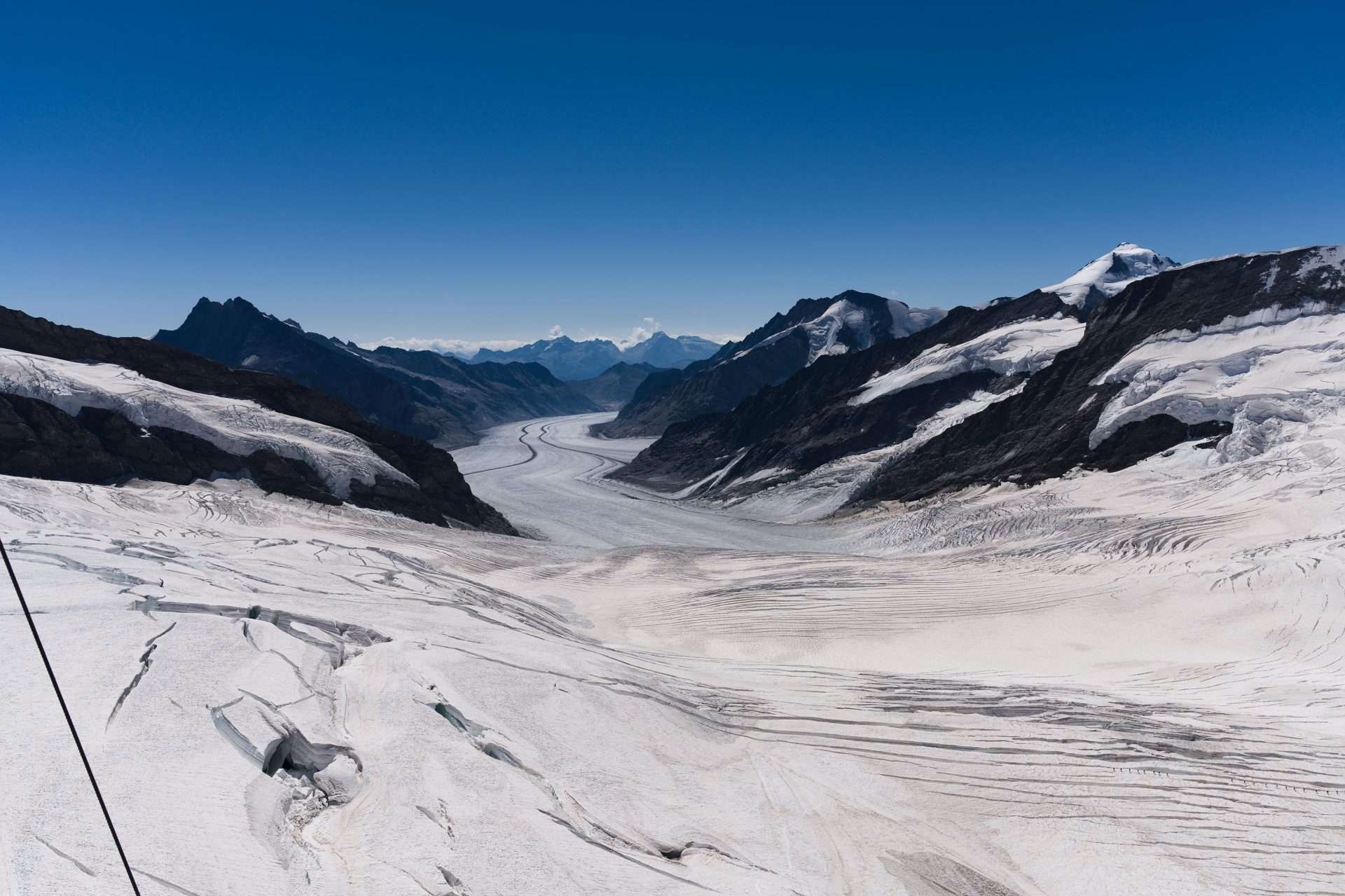
Caption Text Swiss Glaciers Have Lost Almost 20% of Their Ice Since 2021
A winter with very little snowfall followed by intense heatwaves from May to September left glaciers without their protective... - Latest News
Caption Text Rooftop Revolution in France: Why Big Buildings Are Going Green
France is making rooftops part of its response to climate change. Instead of treating roofs as unused building space, new... - Latest News
Caption Text Half of Europe Experienced Very Strong Heat Stress During Summer 2026
More than half of Europe experienced very strong heat stress at some point during summer 2026, as repeated heatwaves pushed temperatures... - Latest News
Caption Text Europe’s Climate Change Bill Is Growing
Climate change is already creating a growing financial burden across Europe. Between 1980 and 2024, weather and climate related... - Latest News
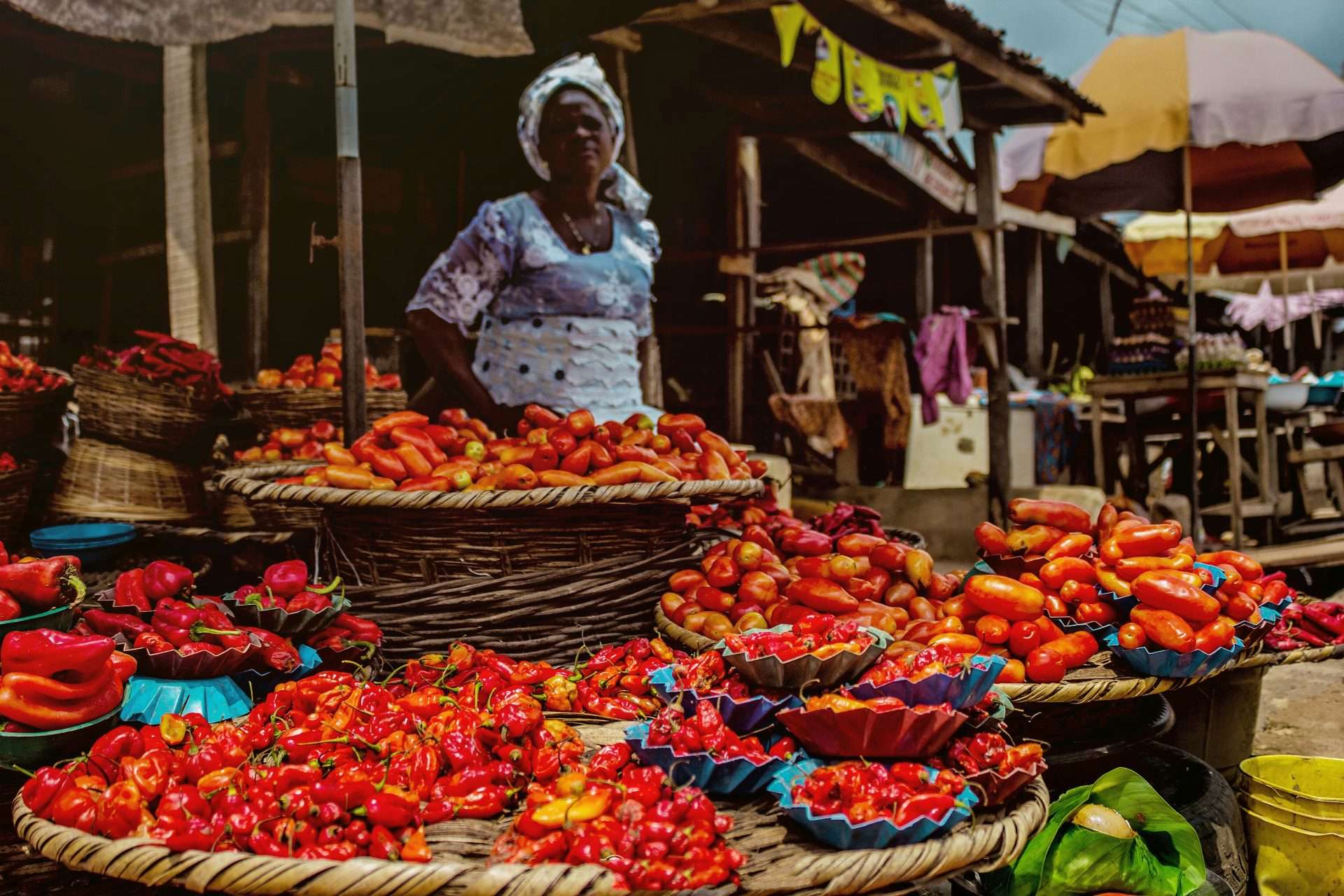
Caption Text By 2030, Most Families in Ethiopia, Malawi, and Nigeria Won’t Be Able to Afford a Healthy Meal
By 2030, more than 90% of people in Malawi and Nigeria, and 75% in Ethiopia, won’t be able to... - Latest News
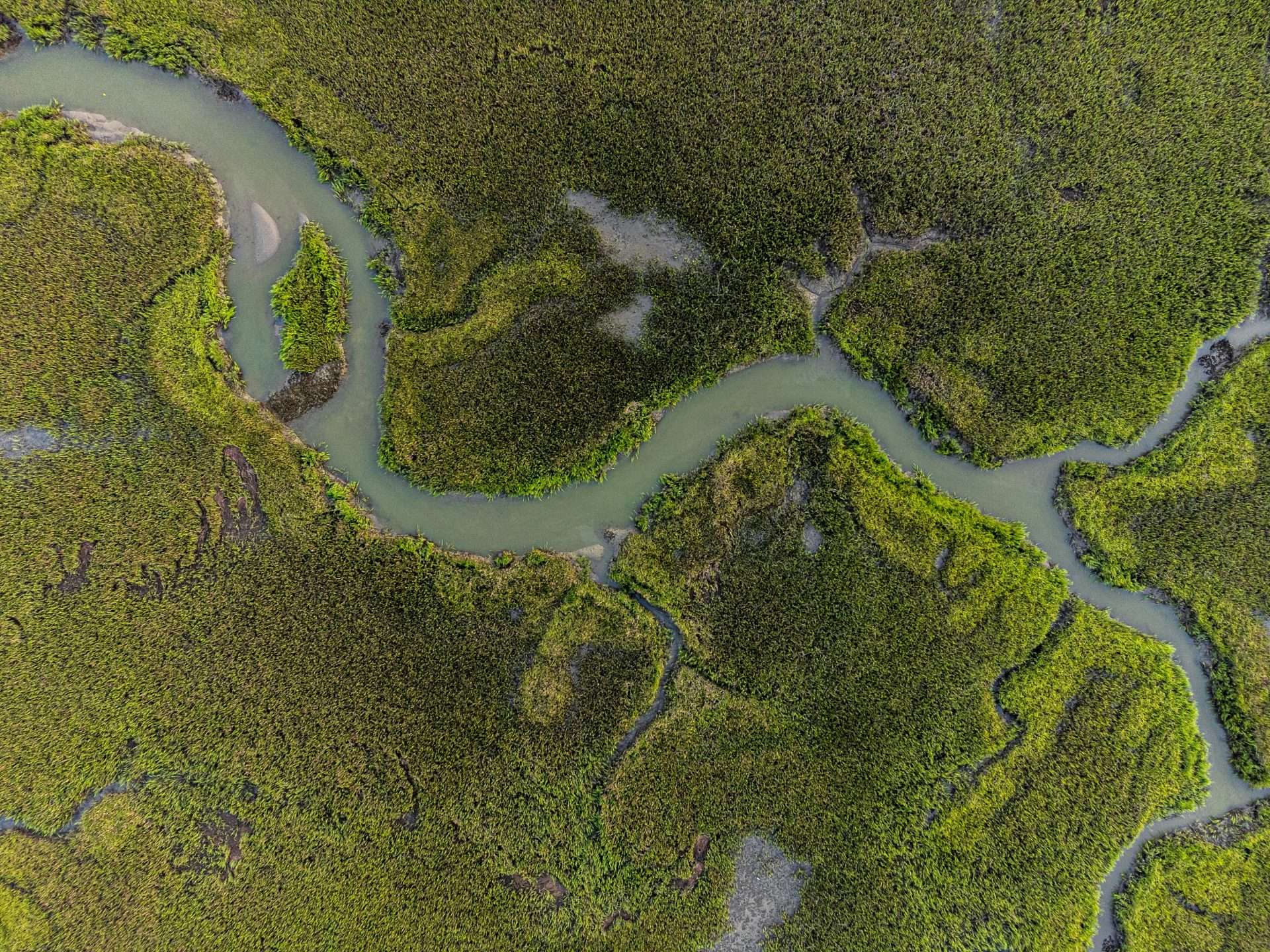
Caption Text Global Rivers Are Losing Oxygen as the Climate Warms
Rivers around the world are losing dissolved oxygen, an essential condition for healthy freshwater ecosystems. A 2026 study published in Science Advances analysed 21,439...



All Global Risks posts
