
December 30, 2024
Deadly Heatwaves Threaten Sacred Pilgrimages and at-risk Communities
3 min read
Latest News
In 2024, the Hajj pilgrimage to Mecca turned tragic as lethal heat and humidity claimed over 1,300 lives. Beginning on June 14, temperatures exceeded 51°C, with wet-bulb temperatures (a measure of heat, humidity and local conditions that more accurately reflects the impact on the body) peaking at 29.5°C. Humidity levels, normally around 25% in June, surged to 75%, pushing the human body beyond its heat tolerance limits, especially for older adults and those in poor health.
For an average of six days, pilgrims walk between six and 21 kilometers daily. This year, more than 43 hours of the time was spent in conditions exceeding the limits of heat tolerance. Although air-conditioned shelters were available, access was restricted to those with official permits, leaving many without relief.
The 2024 Hajj pilgrimage highlights the rising danger of climate change. In 25 years, the Hajj will again fall in peak summer, with heatstroke risks projected to increase tenfold if global temperatures reach +2°C above pre-Industrial levels.
The impact of extreme heatwaves extended to India, where states like Rajasthan and Gujarat saw a surge in heatstroke cases. At risk groups, including Jain monks who travel barefoot as part of their ascetic practices, were particularly affected. Their religious restrictions, combined with intense heat, posed severe health risks during their summer journeys.
As global warming intensifies, rising ocean temperatures lead to increased evaporation, resulting in higher humidity levels. Coastal regions, which host many of the world’s largest cities, are vulnerable to this phenomenon. The Arabian Peninsula, including arid nations like Saudi Arabia, faces heightened risks due to surrounding shallow, warming seas.
Moreover, humidity doesn’t remain confined to coastal areas; it can travel far inland through atmospheric rivers (airborne streams of moisture). This mechanism allows episodes of lethal humidity to impact landlocked regions such as northern India.
The threat of humid heat is projected to escalate significantly. Currently, regions including the Arabian Gulf, Bangladesh, northern India, parts of Pakistan, and Southeast Asia are experiencing dangerous levels of humid heat.
While high heat attracts the most attention, research shows wet-bulb temperatures as low as 35°C can be fatal, with prolonged exposure leading to heat stress and death. Events like the 2024 Hajj and India’s heatwaves emphasize the urgent need for:
- Expanded Heat Mitigation: Access to cooling facilities for vulnerable populations.
- Climate Adaptation: Integrating heat resilience into planning and healthcare.
- Global Climate Action: Reducing emissions to curb warming.
Despite these challenges, Saudi Arabia continues to invest heavily in fossil fuel projects. Saudi Aramco’s CEO has called for increased investment in fossil fuels, expressing skepticism about the short-term viability of renewables. This stance contrasts sharply with the urgent need to reduce greenhouse gas emissions to mitigate climate change and protect public health.
To safeguard public health and well-being, it is imperative to transition away from fossil fuels and invest in renewable energy sources. As climate change intensifies, protecting lives and preserving traditions requires immediate and collective action.
Feature image: Hajj Pilgrimage, Credit: Zawawi Rahim, Pexel.
For more such stories check out Climate Risks Daily
What You Can Do?
Join the Fight Against World's Climate Crisis
SubscribeDiscover global climate challenges and the Polar connection
Spread the WordShare this page to raise awareness
Read More From the Global Risks Category
- Latest News
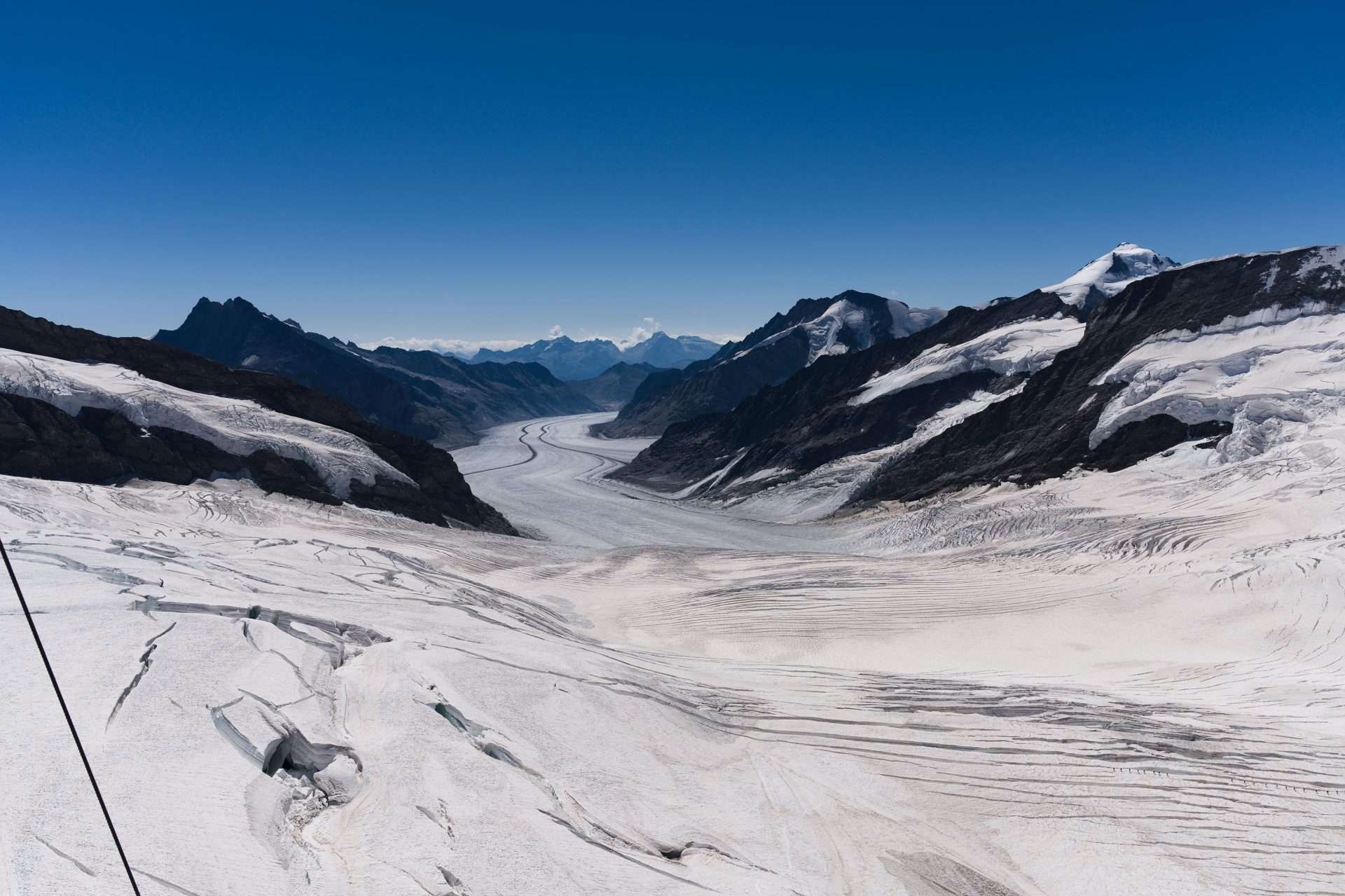
Caption Text Swiss Glaciers Have Lost Almost 20% of Their Ice Since 2021
A winter with very little snowfall followed by intense heatwaves from May to September left glaciers without their protective... - Latest News
Caption Text Rooftop Revolution in France: Why Big Buildings Are Going Green
France is making rooftops part of its response to climate change. Instead of treating roofs as unused building space, new... - Latest News
Caption Text Half of Europe Experienced Very Strong Heat Stress During Summer 2026
More than half of Europe experienced very strong heat stress at some point during summer 2026, as repeated heatwaves pushed temperatures... - Latest News
Caption Text Europe’s Climate Change Bill Is Growing
Climate change is already creating a growing financial burden across Europe. Between 1980 and 2024, weather and climate related... - Latest News
Caption Text By 2030, Most Families in Ethiopia, Malawi, and Nigeria Won’t Be Able to Afford a Healthy Meal
By 2030, more than 90% of people in Malawi and Nigeria, and 75% in Ethiopia, won’t be able to... - Latest News
Caption Text Global Rivers Are Losing Oxygen as the Climate Warms
Rivers around the world are losing dissolved oxygen, an essential condition for healthy freshwater ecosystems. A 2026 study published in Science Advances analysed 21,439...





All Global Risks posts
