
September 30, 2023
Ethiopia, Kenya, Somalia (drought and food insecurity September 2023)
2 min read

Latest News
As of 2023, countries in the greater Horn of Africa suffered from five consecutive below-average rainy seasons, which aid groups have labelled ‘the worst drought in 40 years’. The prolonged drought decimated livestock populations and damaged crops, leading to continuously increasing food prices, especially in Ethiopia, Kenya and Somalia. According to the IPC, the drought left 23.4 million people acutely food insecure and 5.1 million children profoundly malnourished. Even though recent rainfall has eased the effect of drought on crops, many households have lost all their livestock, and agropastoral livelihoods are likely to need at least five years to recover.
The drought has resulted in the displacement of 2.7 million people, with the most significant numbers of displaced people recorded in Somalia at 1.7M, followed by Ethiopia (516,000) and Kenya (466,000). A study conducted by a team of international climate scientists with the World Weather Attribution (WWA) states that climate change has made extreme weather events, like the droughts in the greater Horn of Africa, much stronger and 100 times more likely.
Large-scale atmospheric interactions can transmit changes from the Arctic to distant regions. Arctic warming contributes to global climate change, and its effects can reach faraway regions – such as the African continent. However, the climate of this region is peculiar: climate models have predicted that in response to a rising average temperature, parts of eastern Africa will get more precipitation. Yet, the Horn of Africa has been experiencing less– a phenomenon called the ‘eastern African climate paradox.’ Recent studies, such as Baxter et al. (2023), predict this anomaly will continue and that under continued anthropogenic warming, the Horn of Africa is likely to experience further drying.
Read our blog: SDGs On Thin Ice: Arctic Warming and Climate Crisis in Ethiopia
What You Can Do?
Join the Fight Against World's Climate Crisis
SubscribeDiscover global climate challenges and the Polar connection
Spread the WordShare this page to raise awareness
Read More From the Global Risks Category
- Latest News
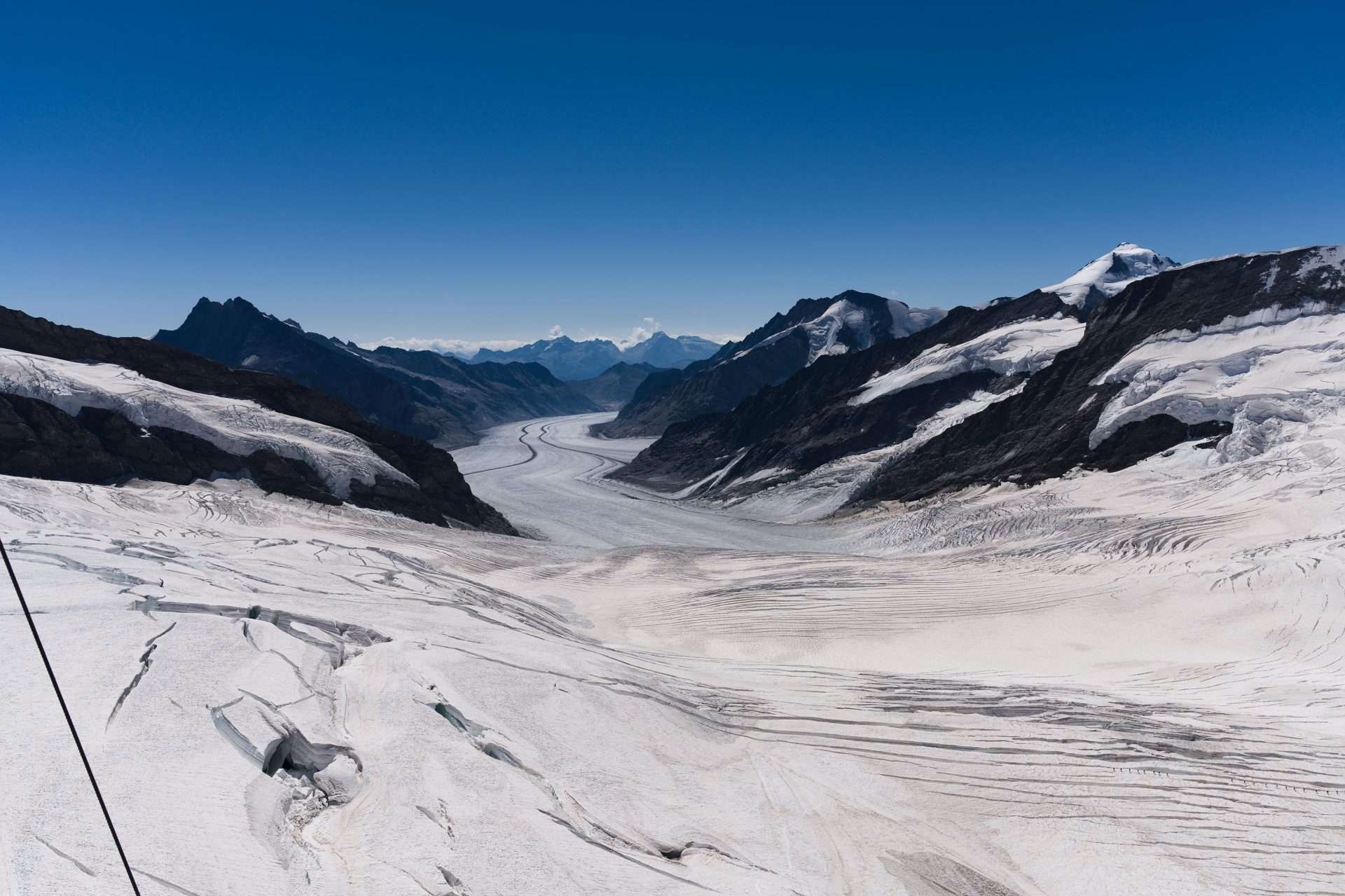
Caption Text Swiss Glaciers Have Lost Almost 20% of Their Ice Since 2021
A winter with very little snowfall followed by intense heatwaves from May to September left glaciers without their protective... - Latest News
Caption Text Rooftop Revolution in France: Why Big Buildings Are Going Green
France is making rooftops part of its response to climate change. Instead of treating roofs as unused building space, new... - Latest News
Caption Text Half of Europe Experienced Very Strong Heat Stress During Summer 2026
More than half of Europe experienced very strong heat stress at some point during summer 2026, as repeated heatwaves pushed temperatures... - Latest News
Caption Text Europe’s Climate Change Bill Is Growing
Climate change is already creating a growing financial burden across Europe. Between 1980 and 2024, weather and climate related... - Latest News
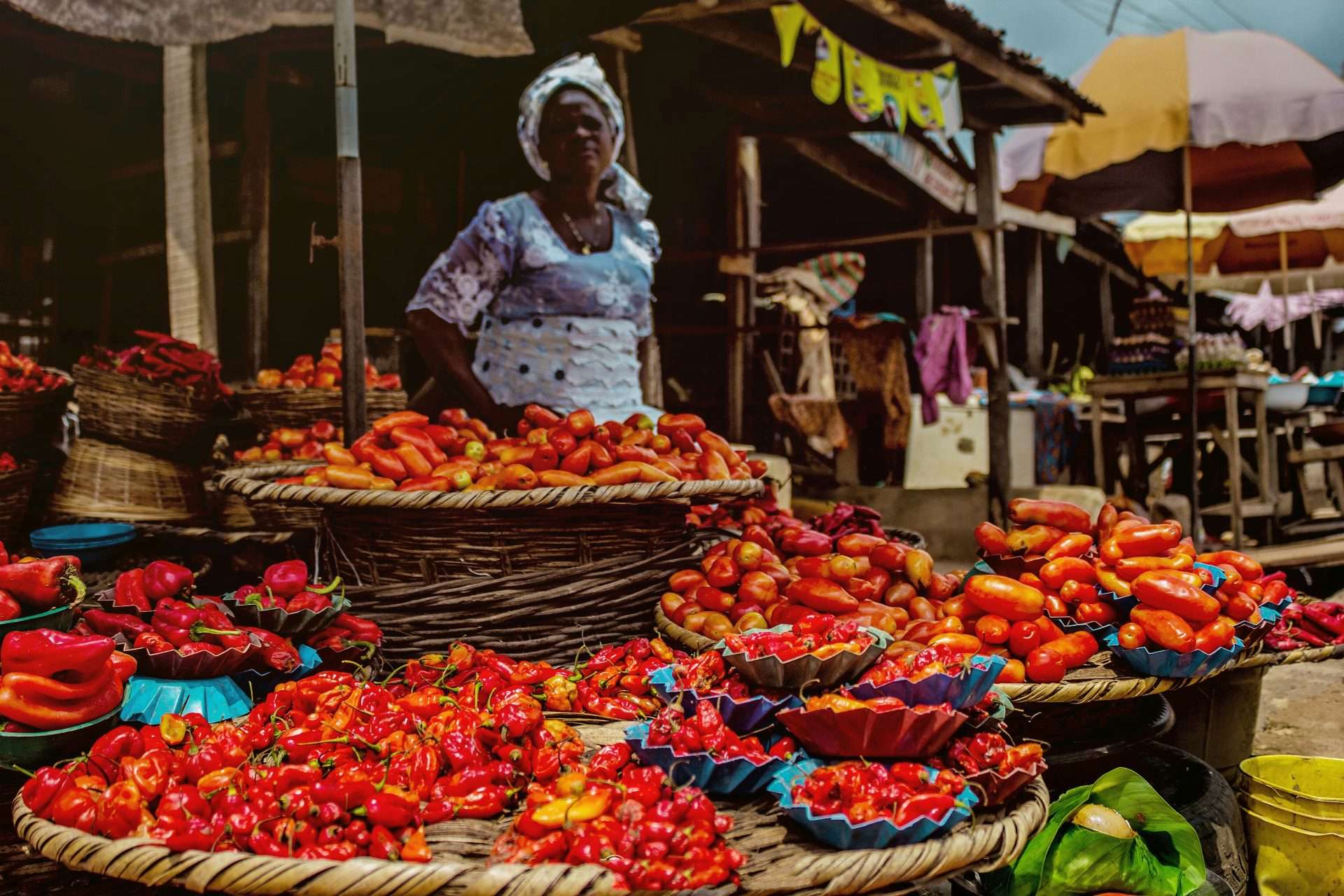
Caption Text By 2030, Most Families in Ethiopia, Malawi, and Nigeria Won’t Be Able to Afford a Healthy Meal
By 2030, more than 90% of people in Malawi and Nigeria, and 75% in Ethiopia, won’t be able to... - Latest News
Caption Text Global Rivers Are Losing Oxygen as the Climate Warms
Rivers around the world are losing dissolved oxygen, an essential condition for healthy freshwater ecosystems. A 2026 study published in Science Advances analysed 21,439...



All Global Risks posts
