
October 3, 2023
SDGS on thin ice – India: Arctic warming and climate crisis
5 min read

Latest News
Introduction
India is highly susceptible to climate adversities in part because of its large population, complex and numerous ecoregions, and fast-growing economy. The Global Climate Risk Index (CRI) classifies India amongst the top 10 countries most vulnerable to climate events. India must focus on mitigating and adapting to climate threats while ensuring to increase progress across its Sustainable Development Goals (SDGs). The 2023 Sustainable Development Report suggests India has significant strides to make in its SDG aspirations. To this end, India’s G20 presidency held a larger focus on actionable, sustainable, and inclusive growth.
A factor that is less highlighted but incredibly consequential is the ramifications of Arctic warming – what happens in the Arctic doesn’t stay in the Arctic. Globally, a warming Arctic leads to erratic weather phenomena. India experiences these repercussions through intensifying heatwaves, water scarcity, and unpredictable extreme weather events, such as flooding and glacial melting in the Himalayas, a region known as the world’s Third Pole because it contains the largest ice and snow mass outside of the polar regions and plays a critical role in the Earth’s climate system.
Amplified Arctic warming can alter the jet stream at mid latitudes, with potential downstream impacts on the Indian monsoon. All these climatic shifts jeopardize India’s economic aspirations and sustainable goals.

The Link between Arctic Change and India’s SDG Progress
With the Arctic heating up at an alarming rate, global weather patterns are in turmoil. The potential loss of Arctic sea ice and snow cover could supercharge global warming, having cascading effects, including in India.
While Arctic changes are not the sole drivers of India’s climatic challenges, they significantly influence them. Altered global patterns, compounded by local challenges, can manifest in India as extended monsoons, crippling droughts, and flash floods. In July, monsoon flash floods and landslides claimed more than 150 lives across India, while in August dozens died in Himachal Pradesh state.
The Arctic’s influence on climate change in the Indian Himalayas is primarily mediated through the cryosphere, the region of the Earth’s surface covered by ice and snow, including glaciers and polar ice caps. Changes in the Arctic, particularly the melting of ice, can alter atmospheric circulation patterns and contribute to the retreat of glaciers in the Indian Himalayas. These changes have far-reaching consequences for the region’s climate, water resources, and vulnerability to extreme events, such as the glacial lake flooding in India’s Himalayan region that began on October 4th and has left at least 74 people dead and 101 missing.
Considering India’s significant agrarian base, with 70% of its rural households dependent primarily on agriculture for their livelihood and 82% of farmers being small and marginal, such weather anomalies can spell disaster for millions.
Given India’s vast population and developmental needs, the nation’s resilience to these threats is stretched thin. Factors such as water scarcity, an overburdened infrastructure, and economic constraints, along with policy hurdles and general lack of awareness, hamper India’s ability to adapt. This reduced adaptive capacity jeopardizes India’s SDG ambitions.

Climate Crisis Exacerbated by Arctic Melting: Socioeconomic Implications for India
SDGs serve as a global map for enhancing societal well-being, spanning crucial areas such as health, education, and social inclusion. However, India’s critical sectors like agriculture, water resources, and public health are vulnerable to the escalating climate crisis.
For India, where infrastructure, human capital, and standard of living form the bedrock for growth, the impacts of climate change, further aggravated by Arctic melt, are profound:
Infrastructure: India has already suffered infrastructural and economic losses of almost USD 80 billion in recent years due to extreme climate events. As warming increases, the risks increase, and India is facing significant challenges in rebuilding the critical infrastructure that has been lost and damaged. Roads, for example, are the main way supplies are moved within the country and are at the mercy of fluctuating weather patterns. Flooding, a recurrent issue, poses extensive threats to both urban and rural connectivity, disrupting trade and everyday life.
Standard of Living: A significant portion of India’s population is engaged in agriculture. With unpredictable monsoons and extended droughts, millions face the threat of food insecurity. In fact, India is the largest producer (25% of global production), consumer (27% of world consumption) and importer (14%) of pulses in the world. The economic impact, coupled with societal challenges, impedes progress towards SDGs like Zero Hunger.
Human Capital: Climate-induced challenges are causing displacement and health crises, compromising India’s workforce. Access to quality education, vital for future growth, is threatened by extended natural calamities and their subsequent socioeconomic fallout.

Conclusion
India grapples with the arduous task of renewing motivation to reach its SDG aspirations amidst the mounting challenges posed by the climate crisis, which are intensified by Arctic warming. Grasping the implications of these global shifts is essential for India to strategize effectively. By acknowledging and navigating these complexities, India can envision a future that melds economic progress with sustainable, resilient development, even amidst escalating climate adversities.
What You Can Do?
Join the Fight Against World's Climate Crisis
SubscribeDiscover global climate challenges and the Polar connection
Spread the WordShare this page to raise awareness
Read More From the Global Risks Category
- Latest News
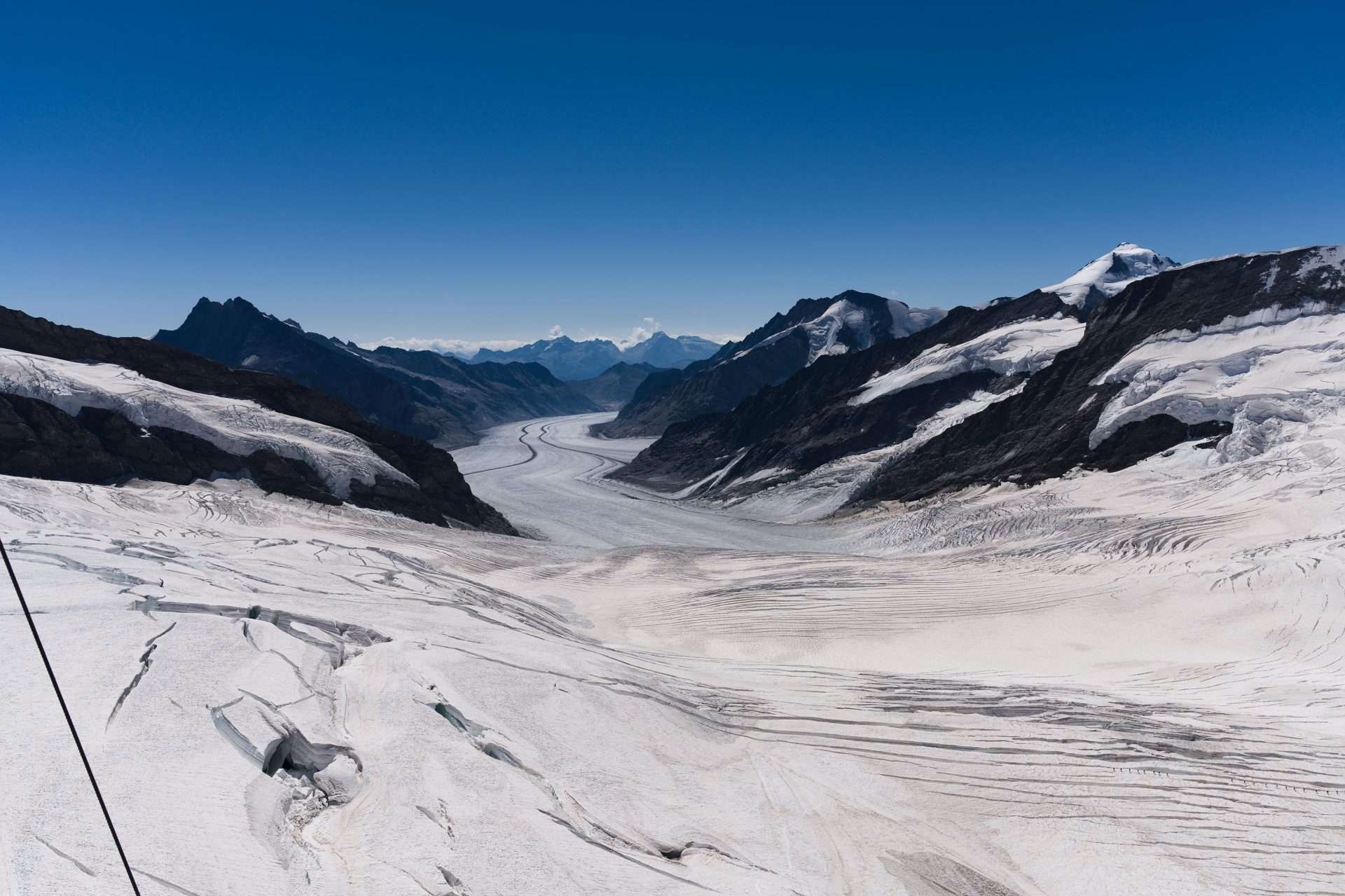
Caption Text Swiss Glaciers Have Lost Almost 20% of Their Ice Since 2021
A winter with very little snowfall followed by intense heatwaves from May to September left glaciers without their protective... - Latest News
Caption Text Rooftop Revolution in France: Why Big Buildings Are Going Green
France is making rooftops part of its response to climate change. Instead of treating roofs as unused building space, new... - Latest News
Caption Text Half of Europe Experienced Very Strong Heat Stress During Summer 2026
More than half of Europe experienced very strong heat stress at some point during summer 2026, as repeated heatwaves pushed temperatures... - Latest News
Caption Text Europe’s Climate Change Bill Is Growing
Climate change is already creating a growing financial burden across Europe. Between 1980 and 2024, weather and climate related... - Latest News
Caption Text By 2030, Most Families in Ethiopia, Malawi, and Nigeria Won’t Be Able to Afford a Healthy Meal
By 2030, more than 90% of people in Malawi and Nigeria, and 75% in Ethiopia, won’t be able to... - Latest News
Caption Text Global Rivers Are Losing Oxygen as the Climate Warms
Rivers around the world are losing dissolved oxygen, an essential condition for healthy freshwater ecosystems. A 2026 study published in Science Advances analysed 21,439...





All Global Risks posts
