
July 28, 2022

Latest News
Climate change is increasing rainfall associated with tropical cyclones, and the warming Indian Ocean is increasing cyclone intensity (Clarke and Otto, 2022), meaning the region is at risk of experiencing more storms like the 2020 Super Cyclonic Storm Amphan, which took 128 lives and affected 13.6 million people (Nagchoudhary and Paul, 2020).
Hitting West Bengal as a category 5 tropical cyclone, Amphan was the costliest storm ever recorded in the North Indian Ocean, causing more than US$13 billion in damage (Ibid.).
In May 2021, India’s Northeast was again hit by a catastrophic storm, as the Super Cyclone Yaas wreaked havoc across Odisha, West Bengal, and Jharkhand, causing up to US$3 billion in damage (Podlaha, 2021). This meant a 1.7% loss in GDP for the city of Kolkata, and 0.1% for India overall (Sikdar, 2021).
Roughly one-tenth of all tropical cyclones world-wide affect the Indian subcontinent’s 8000+ km long coastline, exposing low-lying lands to storm surges, coastal erosion and extreme floods, ultimately causing destruction of property, infrastructure and vegetation as well as loss of lives (EPW, 2021).
Between 1970 and 2019, India was battered by 117 tropical cyclones, leading to more than 40,000 fatalities; half of which occurred throughout the first decade of said time span (Business Standard, 2021; Ministry of Earth Science, 2022). Worryingly, research also warns that there may be a possible relationship between Arctic sea ice loss and changes to the Indian monsoon rainfall extremes (Chaterjee et al., 2021).
Dr. M. Ravichandran, secretary of the Ministry of Earth Sciences, makes this link clear: “Climate change in Arctic circle [sic] is worrisome even for our region as it impacts our Indian summer monsoon rainfall. Some studies indicate that the extreme heat and rainfall events are also leading to ice melting in that region” (TNN, 2021).
Read more about extreme weather here.
Read more about socio-economic risks related to climate change here.
What You Can Do?
Join the Fight Against World's Climate Crisis
SubscribeDiscover global climate challenges and the Polar connection
Spread the WordShare this page to raise awareness
Read More From the Global Risks Category
- Latest News
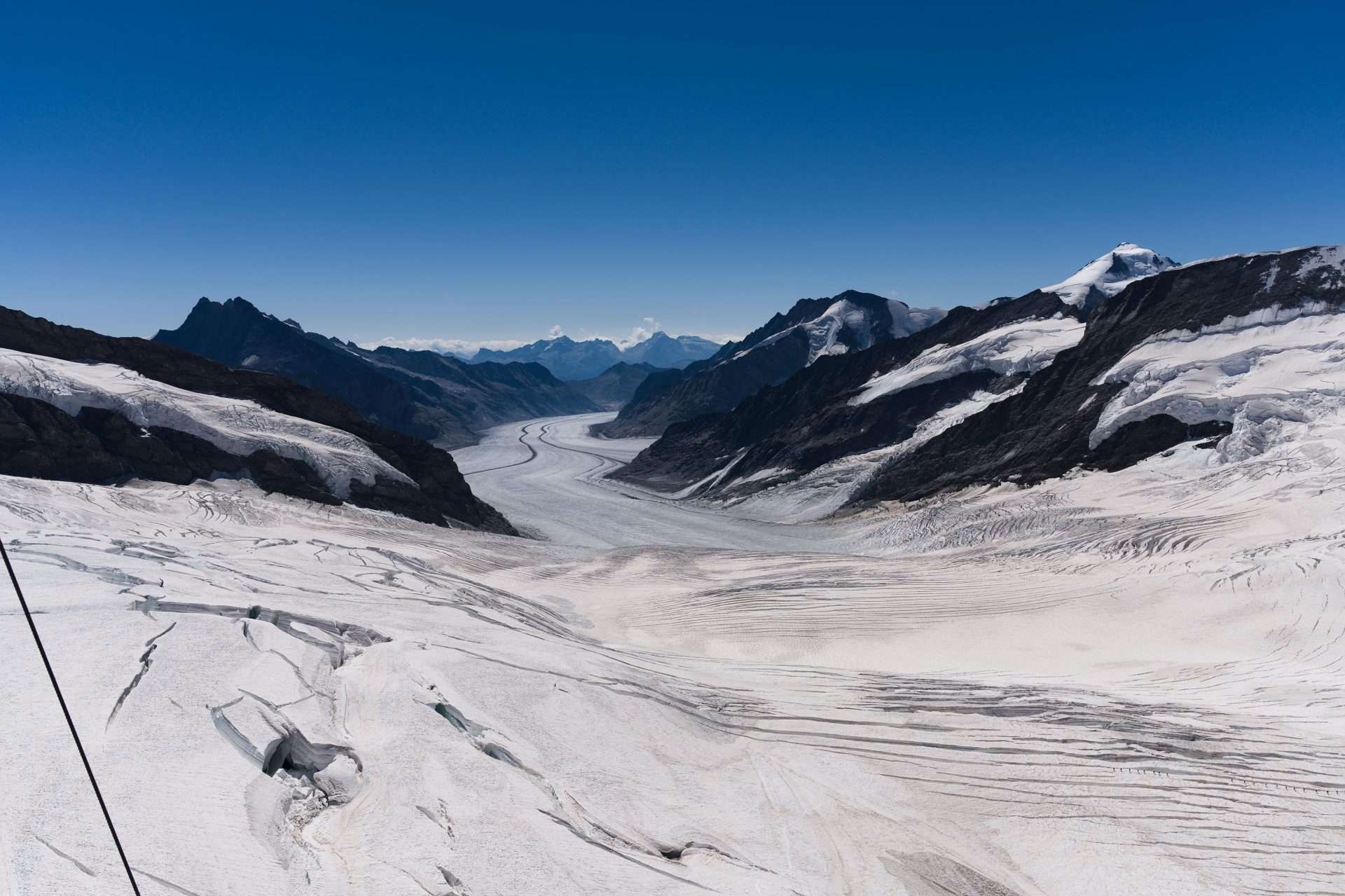
Caption Text Swiss Glaciers Have Lost Almost 20% of Their Ice Since 2021
A winter with very little snowfall followed by intense heatwaves from May to September left glaciers without their protective... - Latest News
Caption Text Rooftop Revolution in France: Why Big Buildings Are Going Green
France is making rooftops part of its response to climate change. Instead of treating roofs as unused building space, new... - Latest News
Caption Text Half of Europe Experienced Very Strong Heat Stress During Summer 2026
More than half of Europe experienced very strong heat stress at some point during summer 2026, as repeated heatwaves pushed temperatures... - Latest News
Caption Text Europe’s Climate Change Bill Is Growing
Climate change is already creating a growing financial burden across Europe. Between 1980 and 2024, weather and climate related... - Latest News
Caption Text By 2030, Most Families in Ethiopia, Malawi, and Nigeria Won’t Be Able to Afford a Healthy Meal
By 2030, more than 90% of people in Malawi and Nigeria, and 75% in Ethiopia, won’t be able to... - Latest News
Caption Text Global Rivers Are Losing Oxygen as the Climate Warms
Rivers around the world are losing dissolved oxygen, an essential condition for healthy freshwater ecosystems. A 2026 study published in Science Advances analysed 21,439...




All Global Risks posts
