
June 19, 2023

Latest News
Spring 2023 has gripped India in continual heatwaves, which spiked in mid-May as temperatures reached 46.2°C in parts of the country’s capital. According to the Indian Ministry of Health, 264 people died across 14 states in India during the 2023 heatwave. In Mumbai, 13 people died from heatstroke at the Maharashtra Bhushan award, a further 50-60 were hospitalised. All educational institutions in West Bengal were forced to close for a week at the heat’s peak. Although Arctic is geographically far away, its changes hit home. For example, as sea ice is lost, less sunlight is reflected and more is absorbed as heat, leading to warming in the Arctic and around the world.
India’s climate is influenced by El Niño and La Niña events, which contribute significantly to annual temperature and rainfall variability. Arctic sea ice melting is anticipated to contribute to more frequent, stronger El Niño events, which relate to increased temperatures, and consequences like water scarcity and drought. With a brewing El Niño event underway, these abnormal heatwaves and drought that have held India this spring are expected throughout 2023.
Temperatures in India are expected to rise by 1.8°C-2.2°C by 2050. This warming is likely to cause heat stress in crops and health impacts in humans. According to research conducted elsewhere in southeast Asia, key crops are likely to fall by 10% for every 1°C increase above the 30°C mark—well below the current heat index, leading to food insecurity. Heat stress also has economic implications by reducing human efficiency.
Beyond the immediate consequences of temperature rise, heating is also associated with typhoons and sea level rise. Located near the global ‘typhoon belt’, India lies directly in the path of many typhoons. Warming air enables the atmosphere to hold onto more moisture, increasing the likelihood of powerful storms. Additionally, sea level rise in India currently threatens 1.4 billion people directly though coastal flooding, shoreline erosion and salination of freshwater sources. Major Indian cities may be inundated with sea level rise by 2050.
While India is the third largest emitter of greenhouse gases, it is also one of the countries least prepared for the climate crisis. Southeast Asia is one of the most vulnerable regions in the world for global climate change.
Read more about heat stress here.
Read more about extreme weather here.
Read more about sea level rise here.
What You Can Do?
Join the Fight Against World's Climate Crisis
SubscribeDiscover global climate challenges and the Polar connection
Spread the WordShare this page to raise awareness
Read More From the Global Risks Category
- Latest News
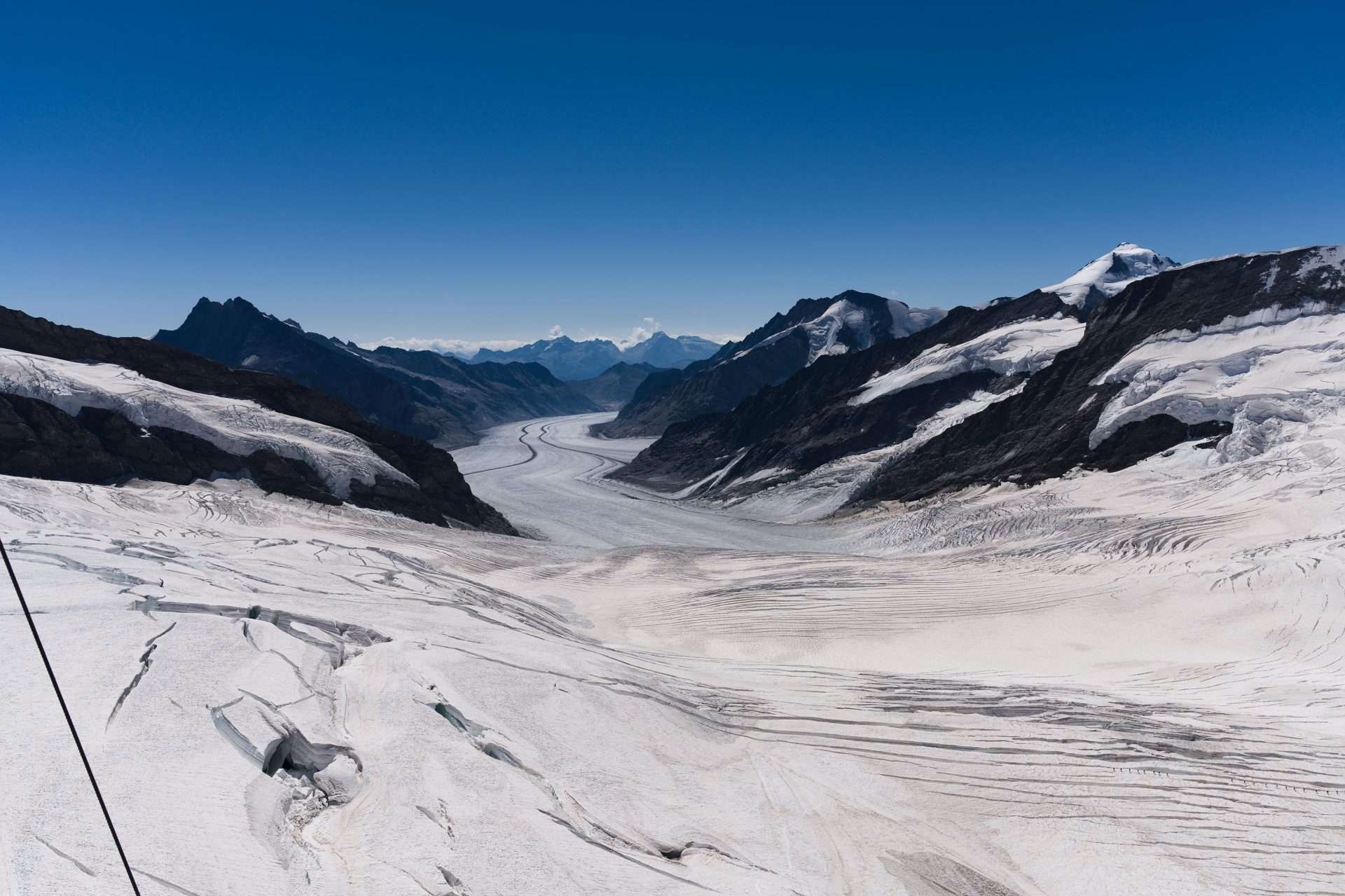
Caption Text Swiss Glaciers Have Lost Almost 20% of Their Ice Since 2021
A winter with very little snowfall followed by intense heatwaves from May to September left glaciers without their protective... - Latest News
Caption Text Rooftop Revolution in France: Why Big Buildings Are Going Green
France is making rooftops part of its response to climate change. Instead of treating roofs as unused building space, new... - Latest News
Caption Text Half of Europe Experienced Very Strong Heat Stress During Summer 2026
More than half of Europe experienced very strong heat stress at some point during summer 2026, as repeated heatwaves pushed temperatures... - Latest News
Caption Text Europe’s Climate Change Bill Is Growing
Climate change is already creating a growing financial burden across Europe. Between 1980 and 2024, weather and climate related... - Latest News
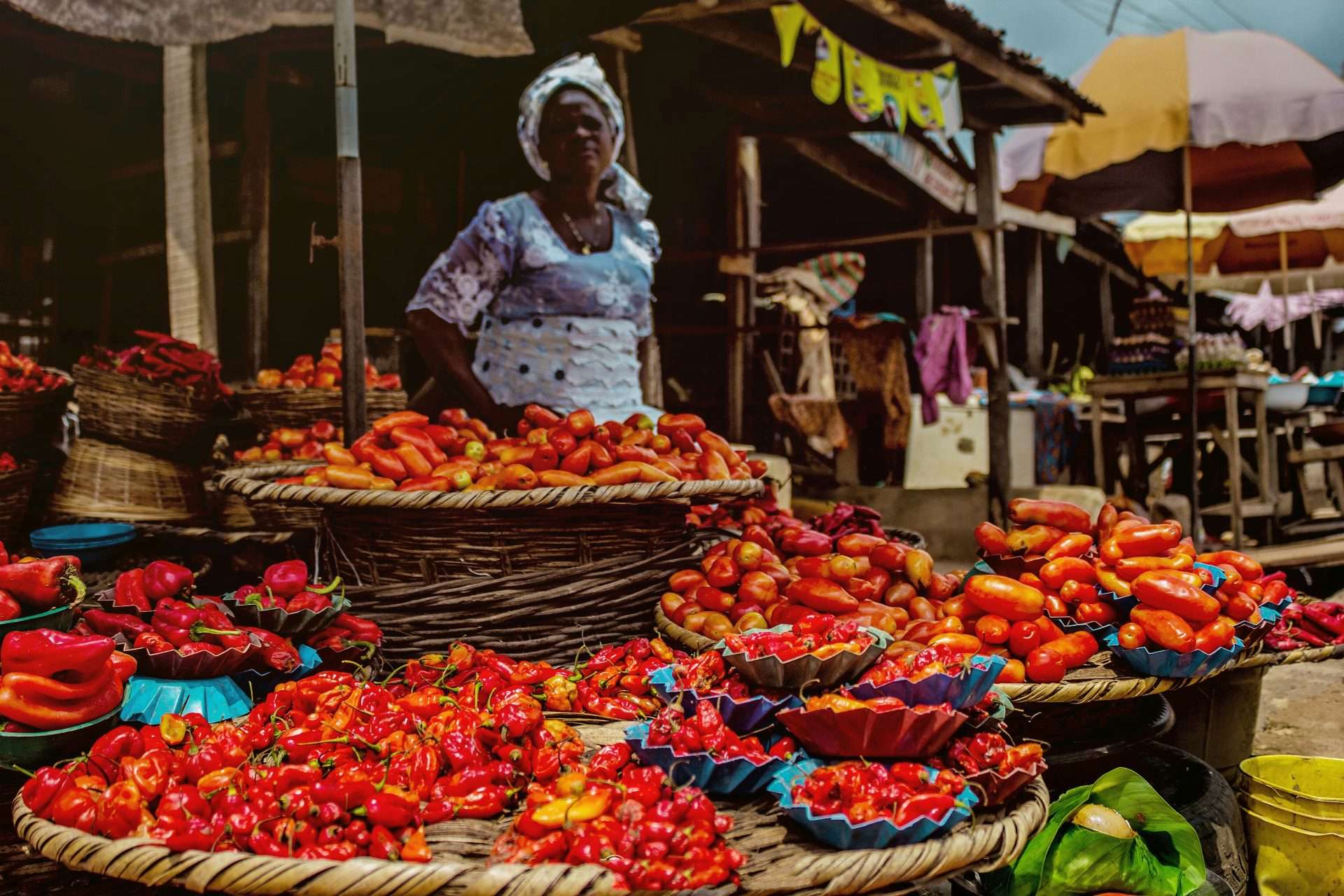
Caption Text By 2030, Most Families in Ethiopia, Malawi, and Nigeria Won’t Be Able to Afford a Healthy Meal
By 2030, more than 90% of people in Malawi and Nigeria, and 75% in Ethiopia, won’t be able to... - Latest News
Caption Text Global Rivers Are Losing Oxygen as the Climate Warms
Rivers around the world are losing dissolved oxygen, an essential condition for healthy freshwater ecosystems. A 2026 study published in Science Advances analysed 21,439...




All Global Risks posts
