
June 20, 2023

Latest News
Nepal, home to 30 million inhabitants, is a country with diverse topography ranging from the low-lying plains in the south to the highest peaks in the Himalayas and the world. This provides for a range of different climatic zones, and therefore, potential climate risks, within the country. One of the most pronounced climate phenomena in Nepal is the South Asian monsoon, which starts each year around June and tends to peak in August.
Monsoon rains have important societal impact, as drier years have negative implications for agriculture and water security, while wetter years can result in massive flooding. Nepal typically receives about 80% of its annual precipitation from the monsoon. However, the monsoon is becoming increasingly unreliable and difficult to predict due to climate change. This is especially the case during El Niño phases, during which the Eastern Pacific is warmer than average, and trade winds that draw moist air over the Indian subcontinent are weaker than usual. A strong El Niño phase is developing in June 2023, and Eastern Nepal has already been hit hard by heavy rains, flooding, and landslides, starting June 17, with 6 dead and 28 missing.
Climate change is a major driver of increasing monsoon uncertainty and severity. This is because the monsoon forms based on heat differentials between the South Asian landmass and the surrounding oceans. The atmospheric circulation patterns that have historically contributed to a consistent monsoon are now being disrupted by rapid global warming. One reason for this disruption is that not all regions of the globe are warming at the same rate: the Arctic is warming at a rate four times faster than the global average. Due in part to rapidly declining Arctic sea ice cover, the Arctic is experiencing a positive feedback loop by which less sunlight is reflected by ice and warming therefore accelerates. This amplified warming can alter the jet stream at mid latitudes, with potential downstream impacts on the South Asian monsoon.
Changes in monsoon patterns make it difficult to forecast rains and adequately prepare for wetter or drier conditions. For example, just three weeks before the deadly flooding and landslides in Eastern Nepal, meteorologists predicted below-average monsoon rainfall. This indicates the urgency in developing adequate adaptation measures in Nepal, as well as reducing global emissions to slow climate change.
Read more about extreme weather here.
What You Can Do?
Join the Fight Against World's Climate Crisis
SubscribeDiscover global climate challenges and the Polar connection
Spread the WordShare this page to raise awareness
Read More From the Global Risks Category
- Latest News
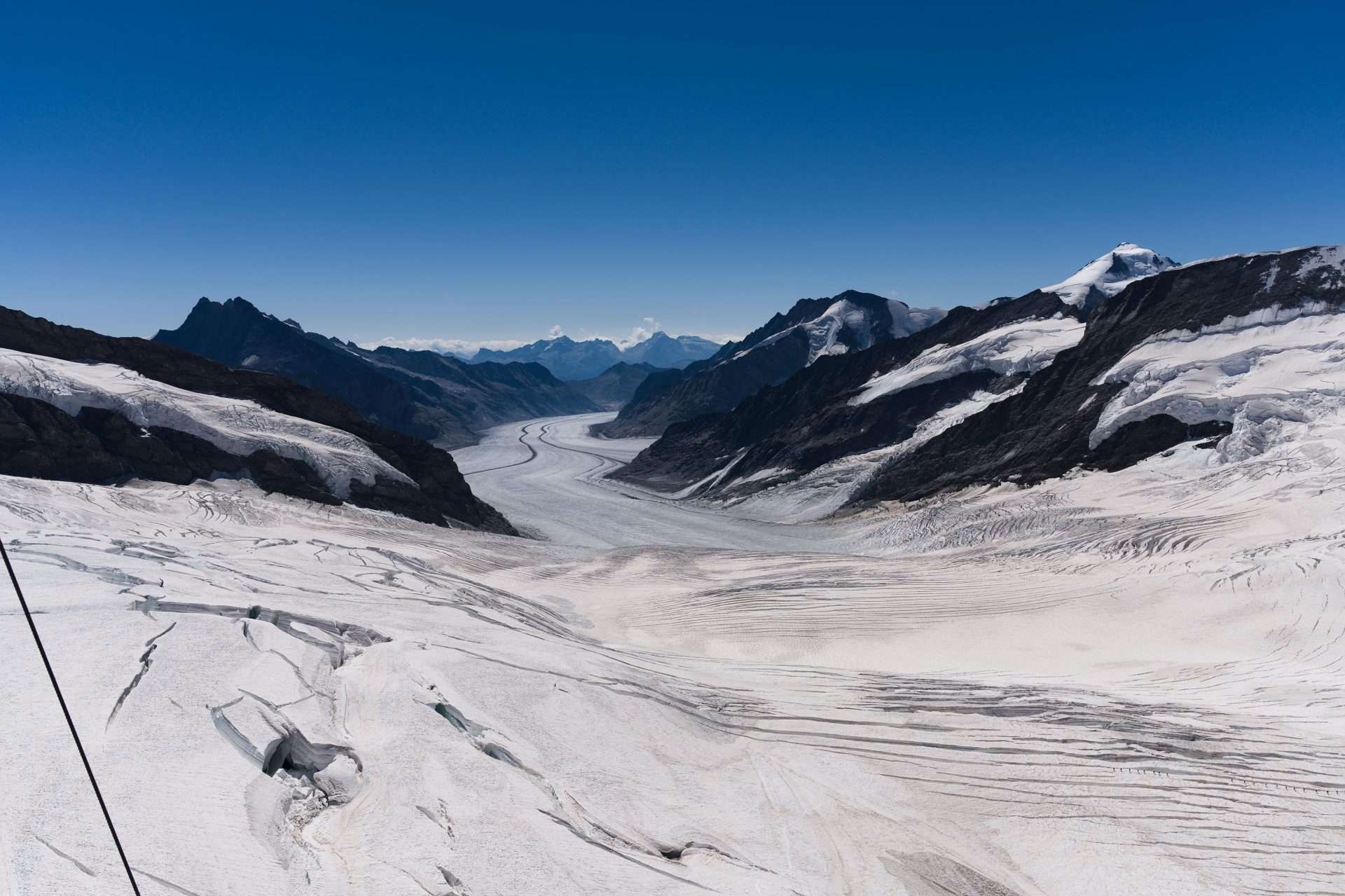
Caption Text Swiss Glaciers Have Lost Almost 20% of Their Ice Since 2021
A winter with very little snowfall followed by intense heatwaves from May to September left glaciers without their protective... - Latest News
Caption Text Rooftop Revolution in France: Why Big Buildings Are Going Green
France is making rooftops part of its response to climate change. Instead of treating roofs as unused building space, new... - Latest News
Caption Text Half of Europe Experienced Very Strong Heat Stress During Summer 2026
More than half of Europe experienced very strong heat stress at some point during summer 2026, as repeated heatwaves pushed temperatures... - Latest News
Caption Text Europe’s Climate Change Bill Is Growing
Climate change is already creating a growing financial burden across Europe. Between 1980 and 2024, weather and climate related... - Latest News
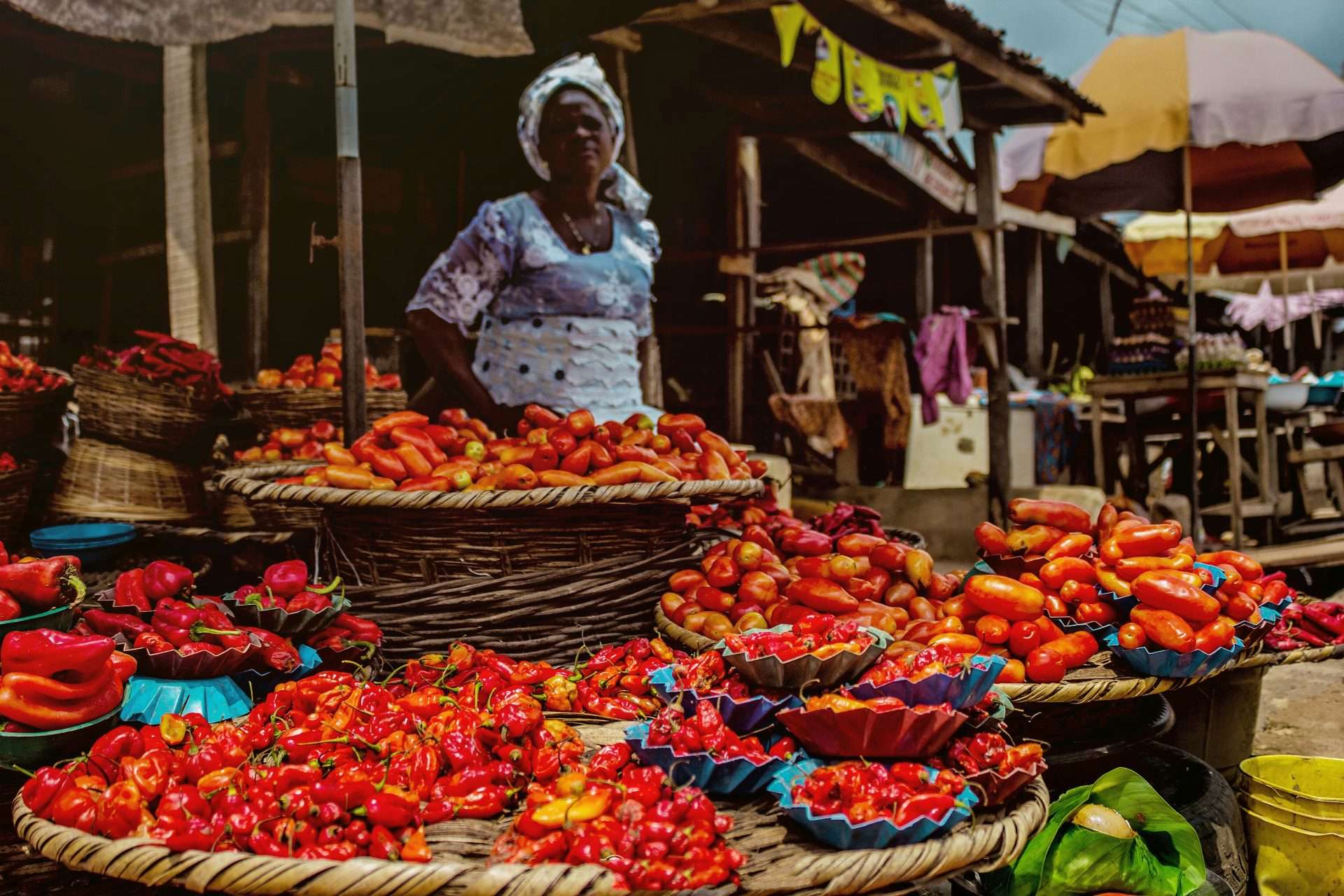
Caption Text By 2030, Most Families in Ethiopia, Malawi, and Nigeria Won’t Be Able to Afford a Healthy Meal
By 2030, more than 90% of people in Malawi and Nigeria, and 75% in Ethiopia, won’t be able to... - Latest News
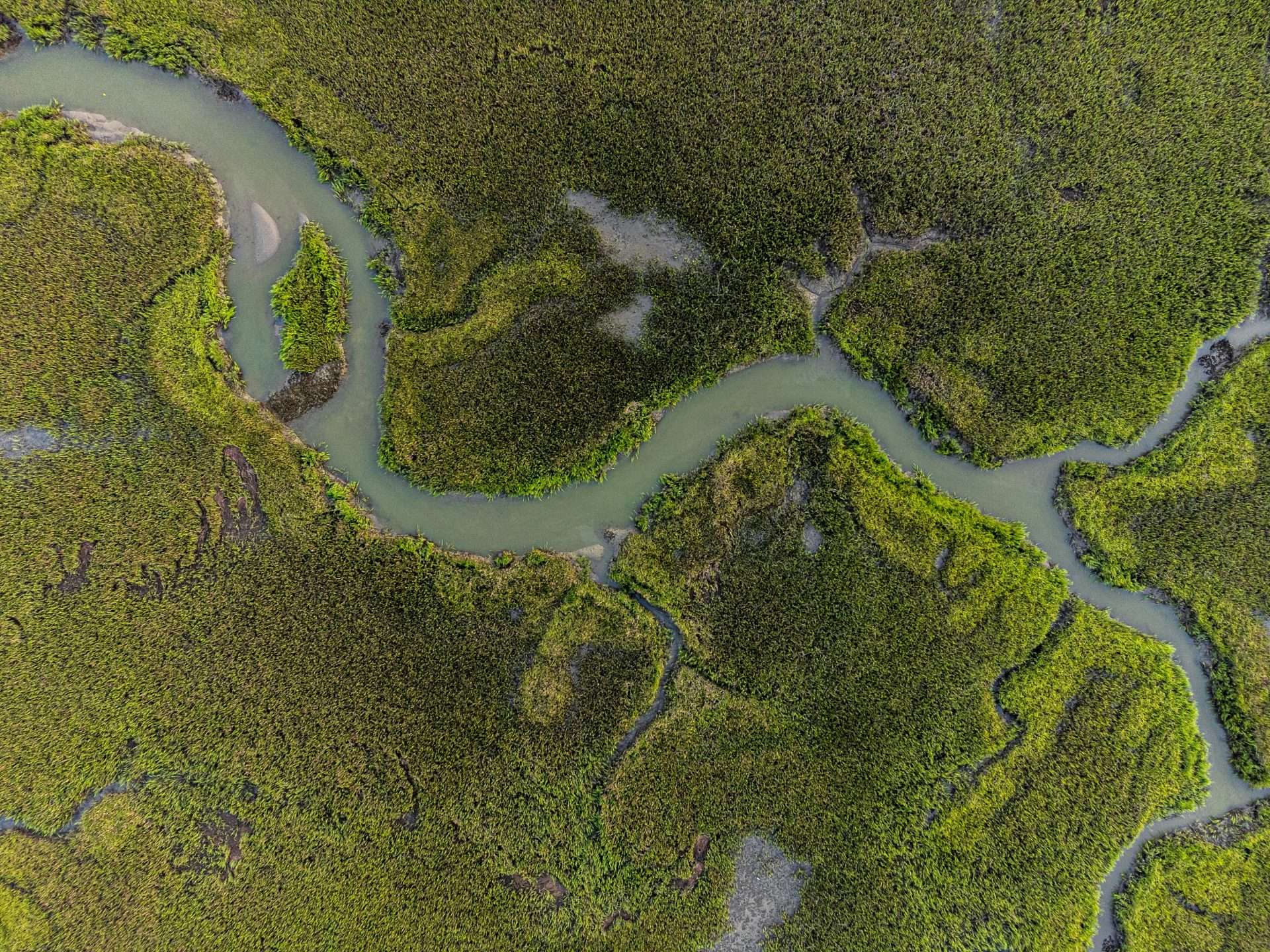
Caption Text Global Rivers Are Losing Oxygen as the Climate Warms
Rivers around the world are losing dissolved oxygen, an essential condition for healthy freshwater ecosystems. A 2026 study published in Science Advances analysed 21,439...



All Global Risks posts
