
September 20, 2023

Latest News
Since the onset of the monsoon season in June 2023, rainfall and flooding have resulted in 226 fatalities. More than 547,000 individuals have been evacuated and rescued, with more than 5,800 damaged houses reported. Pakistan’s National Disaster Management Authority (NDMA) has set up 349 relief camps and 249 medical camps throughout the country (ECHO, 28 Sep 2023).
More than 79,000 malaria cases were confirmed in September (ECHO, 4 Sep 2023).
In August, heavy monsoon rain flooded the Sutlej River, destroying levees and villages and submerging over 153,000 acres of cropland (ECHO, 31 Aug 2023).
In June 2022, Pakistan’s monsoon brought an approximate 436% increase in rainfall in the worst affected southernmost provinces of Sindh and Balochistan, with national rainfall for both July and August exceeding the country’s 30-year average by 181-190% (Pakistan Meteorological Department, 2022a; Pakistan Meteorological Department, 2022b). Out of the 33 million affected people (ECHO Flash, 2022), over 1,500 people lost their lives (458 of whom were children) (National Disaster Management Authority, 2022), making the flood the country’s deadliest disaster since 2010.
At the flood’s worst, one-third of Pakistan was submerged, with the Indus River having overflowed and created a 100 kilometre wide inland lake across Sindh. Similarly, Lake Manchar overflowed on 6 September and inundated nearby settlements that were home to hundreds of thousands of people (NASA Earth Observatory, 2022).
As of early September 2022, over 1.5 million houses have been damaged in Sindh province alone, which equals 88% of overall damages to houses (OCHA, 2022). Moreover, at least 1.2 million hectares of agricultural land were damaged in Sindh. 269 bridges, 6,700 kilometres of roads and 1,460 health facilities have been damaged or destroyed (OCHA, 2022), along with at least 12 dam bursts in Balochistan (The New Humanitarian, 2022). In addition, 18,590 schools were damaged or destroyed (Save the Children, 2022). Initial assessments of the flood’s economic damage reached at least US$30 billion (Business Standard, 2022).
Under 1% of the world’s greenhouse gas emissions are produced by Pakistan while the country is ranked 5th among countries most affected by climate-related extreme events (Our World in Data, n.d.), the 2022 flood disaster is a salient example of climate injustice and the obligation of high-polluting nations to compensate for loss and damage.
Read our blog: SDGs On Thin Ice: Arctic Warming and the Climate Crisis in Pakistan
Read more about extreme weather here.
Read more about health risks here.
Read more about SDGs here.
What You Can Do?
Join the Fight Against World's Climate Crisis
SubscribeDiscover global climate challenges and the Polar connection
Spread the WordShare this page to raise awareness
Read More From the Global Risks Category
- Latest News
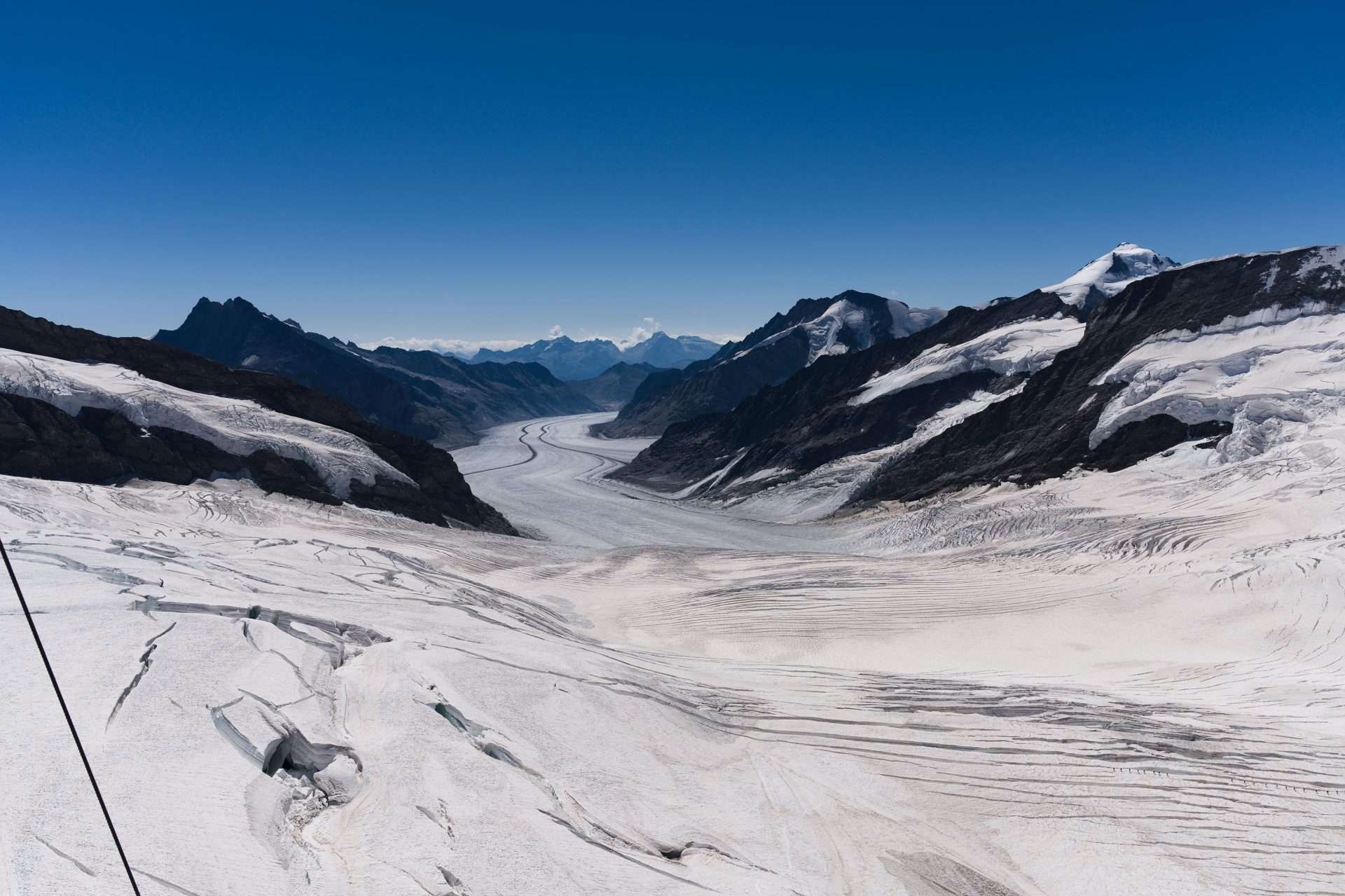
Caption Text Swiss Glaciers Have Lost Almost 20% of Their Ice Since 2021
A winter with very little snowfall followed by intense heatwaves from May to September left glaciers without their protective... - Latest News
Caption Text Rooftop Revolution in France: Why Big Buildings Are Going Green
France is making rooftops part of its response to climate change. Instead of treating roofs as unused building space, new... - Latest News
Caption Text Half of Europe Experienced Very Strong Heat Stress During Summer 2026
More than half of Europe experienced very strong heat stress at some point during summer 2026, as repeated heatwaves pushed temperatures... - Latest News
Caption Text Europe’s Climate Change Bill Is Growing
Climate change is already creating a growing financial burden across Europe. Between 1980 and 2024, weather and climate related... - Latest News
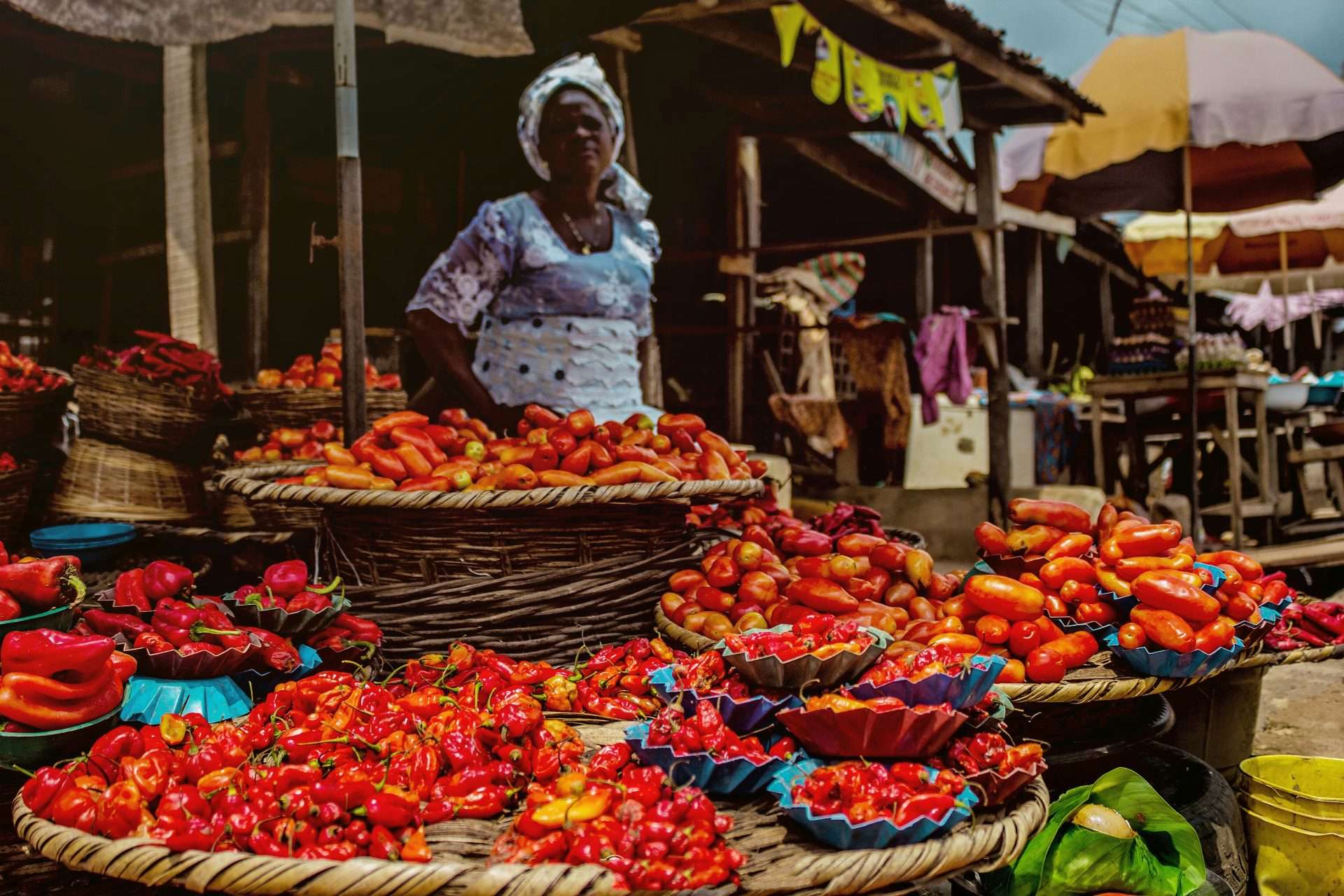
Caption Text By 2030, Most Families in Ethiopia, Malawi, and Nigeria Won’t Be Able to Afford a Healthy Meal
By 2030, more than 90% of people in Malawi and Nigeria, and 75% in Ethiopia, won’t be able to... - Latest News
Caption Text Global Rivers Are Losing Oxygen as the Climate Warms
Rivers around the world are losing dissolved oxygen, an essential condition for healthy freshwater ecosystems. A 2026 study published in Science Advances analysed 21,439...




All Global Risks posts
