
October 2, 2024

Latest News
Starting on September 28, Nepal experienced the most intense rainfall in over half a century, leading to catastrophic flash floods and landslides in the Kathmandu Valley and nearby districts. The country received 20% of its annual rainfall over two days. On the back of the recent monsoon season, soil was already saturated and thus unable to absorb this extreme precipitation. Meteorologists from Nepal’s Department of Hydrology and Meteorology (DHM) confirmed record-breaking rainfall across multiple stations in the capital, marking the highest levels recorded in 54 years. The floods have caused significant damage to infrastructure, with at least 322 homes and 16 bridges destroyed across Nepal.
The disaster has claimed at least 236 lives thus far, with many more missing, and caused landslides and riverine floods across more than 50 districts. Local branches of the Red Cross, along with government and multilateral agencies, are working together on rescue and relief operations. The Nepal Red Cross Society activated an early action protocol on September 30 to assist nearly 5,500 vulnerable residents by providing evacuation support, hygiene kits, and health awareness campaigns
The exceptionally intense rainfall was made more extreme by a low-pressure system in the Bay of Bengal, combined with the unusually northern position of the monsoon trough. The low-pressure system in the Bay of Bengal and a northward-shifted monsoon highlights how climate change is affecting weather patterns. Warmer air, caused by global warming, holds more moisture, leading to more intense rainfall during monsoons.
The Himalayas, similar to the polar regions and the rest of the cryosphere, are warming faster than the planetary average. As part of this rapid warming, the thawing of local permafrost is destabilizing surrounding mountains, making the soil significantly more vulnerable to erosion and weather impacts, such as the recent extreme rains. These effects may be stronger this year due to the historic snow “drought” experienced throughout much of the Hindu Kush Himalaya during the 2023-2024 winter. Many communities in Nepal, including Kathmandu, are built in the valleys of glaciers, enabling people to capitalize on snow and glacial runoff for irrigation, food security and other economic needs; making the communities even more vulnerable to flooding events.
This extreme weather event aligns with the Intergovernmental Panel on Climate Change’s (IPCC) predictions that Nepal will experience more intense rainfall as a result of climate change. It underscores the urgent need for international efforts in accelerating the phase out of fossil fuels and the need for international funding to help vulnerable countries adapt to these evolving climate challenges.
Featured image: Precipitation over Kathmandu, Nepal on 28th September 2024, Ventusky
Read more about climate impacts in Asia HERE
Learn more about climate risks in your region by checking out Climate Risks Daily
What You Can Do?
Join the Fight Against World's Climate Crisis
SubscribeDiscover global climate challenges and the Polar connection
Spread the WordShare this page to raise awareness
Read More From the Global Risks Category
- Latest News
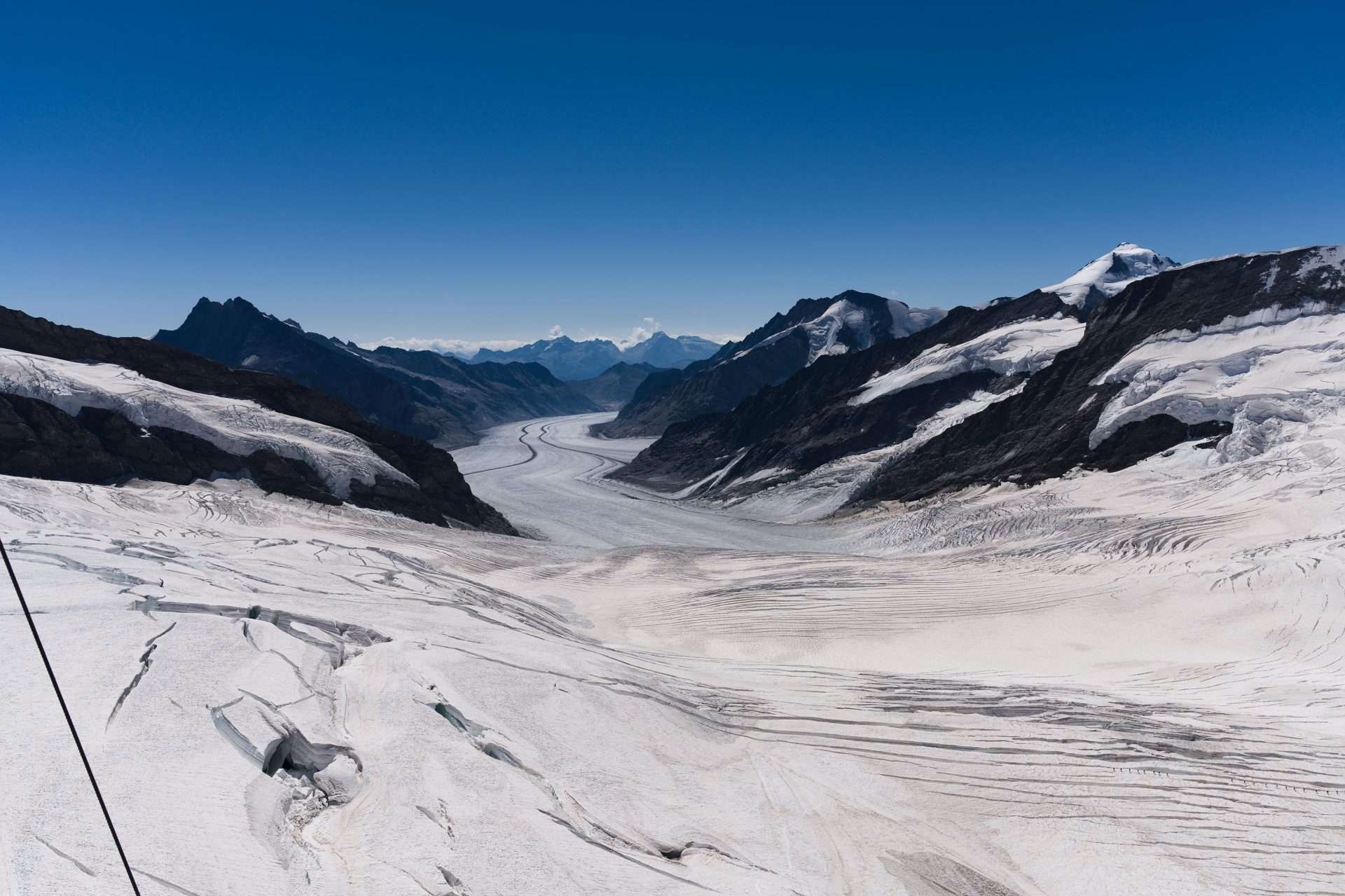
Caption Text Swiss Glaciers Have Lost Almost 20% of Their Ice Since 2021
A winter with very little snowfall followed by intense heatwaves from May to September left glaciers without their protective... - Latest News
Caption Text Rooftop Revolution in France: Why Big Buildings Are Going Green
France is making rooftops part of its response to climate change. Instead of treating roofs as unused building space, new... - Latest News
Caption Text Half of Europe Experienced Very Strong Heat Stress During Summer 2026
More than half of Europe experienced very strong heat stress at some point during summer 2026, as repeated heatwaves pushed temperatures... - Latest News
Caption Text Europe’s Climate Change Bill Is Growing
Climate change is already creating a growing financial burden across Europe. Between 1980 and 2024, weather and climate related... - Latest News
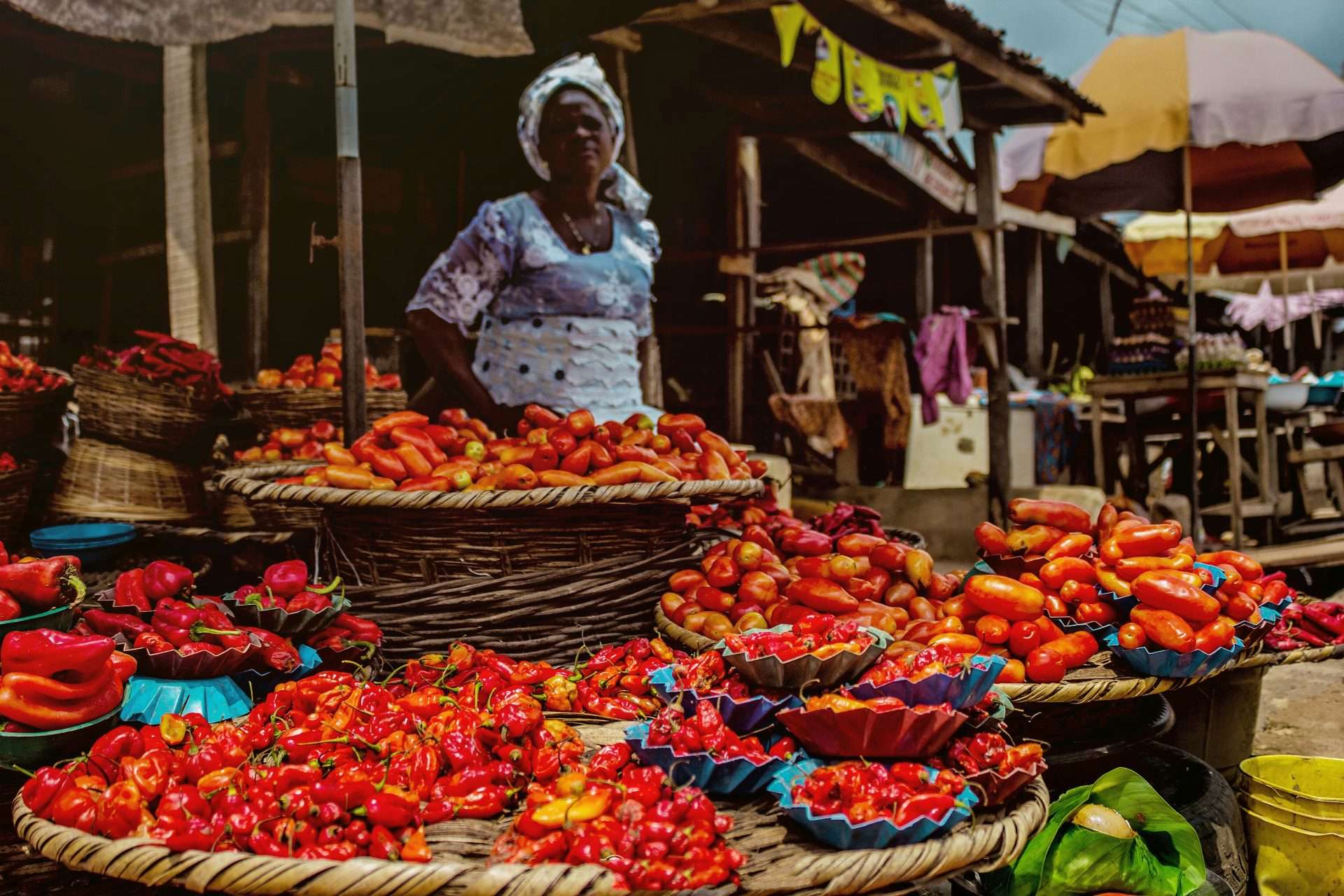
Caption Text By 2030, Most Families in Ethiopia, Malawi, and Nigeria Won’t Be Able to Afford a Healthy Meal
By 2030, more than 90% of people in Malawi and Nigeria, and 75% in Ethiopia, won’t be able to... - Latest News
Caption Text Global Rivers Are Losing Oxygen as the Climate Warms
Rivers around the world are losing dissolved oxygen, an essential condition for healthy freshwater ecosystems. A 2026 study published in Science Advances analysed 21,439...




All Global Risks posts
