
April 18, 2023

Latest News
April and May are usually Thailand’s hottest months of the year. Halfway through April, this year is proving to be no exception. On April 15, the Asian country set a new national record of 45.5°C (114°F), surpassing the 44.6°C set at the end of the month in 2016. At 15°N, Thailand is one of a dozen Asian countries currently experiencing their worst spring heatwave in which real-feel temperatures are pushing the limits of human survivability.
Beyond human health, however, this heatwave has implications for all sectors of the regional and global economy with tendrils extending into education, agriculture and food security, heat stress and productivity, and energy use.
After the devastating heatwaves across India and Pakistan last summer, the World Weather Attribution group cited the heatwaves as “a glimpse of the region’s future”. A year later, and this future is solid. Why? Despite global commitments to the contrary, 2022 marked another year of record greenhouse gases being pumped into the atmosphere. These gases insulate the earth and trap solar radiation, leading to global heating. In the Arctic, this effect is amplified by the melting of sea ice, which exposes dark [ocean] surfaces that absorb more radiation. This is at the core of one of the feedback loops driving planetary warming.
Last month saw the second-lowest polar sea ice extent and was also the world’s 2nd warmest month on record (NOAA). March was the 529th straight month with higher-than-normal temperatures (Copernicus), meaning that anyone younger than 44 has never lived in a month below the long-term average.
Meteorological offices throughout the world, in the United States, UK, Australia and Japan, have all indicated the likelihood of an El Niño event this year. El Niño patterns are associated with warmer periods, which could further shatter records and give a pronounced glimpse into the planet’s future. Thailand’s 2016 high temperature record was set during an El Niño period, and 2016 remains the Earth’s warmest year to date.
Are you curious about the global threats, like heat stress, coming from Arctic warming? Find out more – GLOBAL RISKS
Image: © Vyacheslav Argenberg / http://www.vascoplanet.com/, CC BY 4.0 <https://creativecommons.org/licenses/by/4.0>, via Wikimedia Commons
What You Can Do?
Join the Fight Against World's Climate Crisis
SubscribeDiscover global climate challenges and the Polar connection
Spread the WordShare this page to raise awareness
Read More From the Global Risks Category
- Latest News
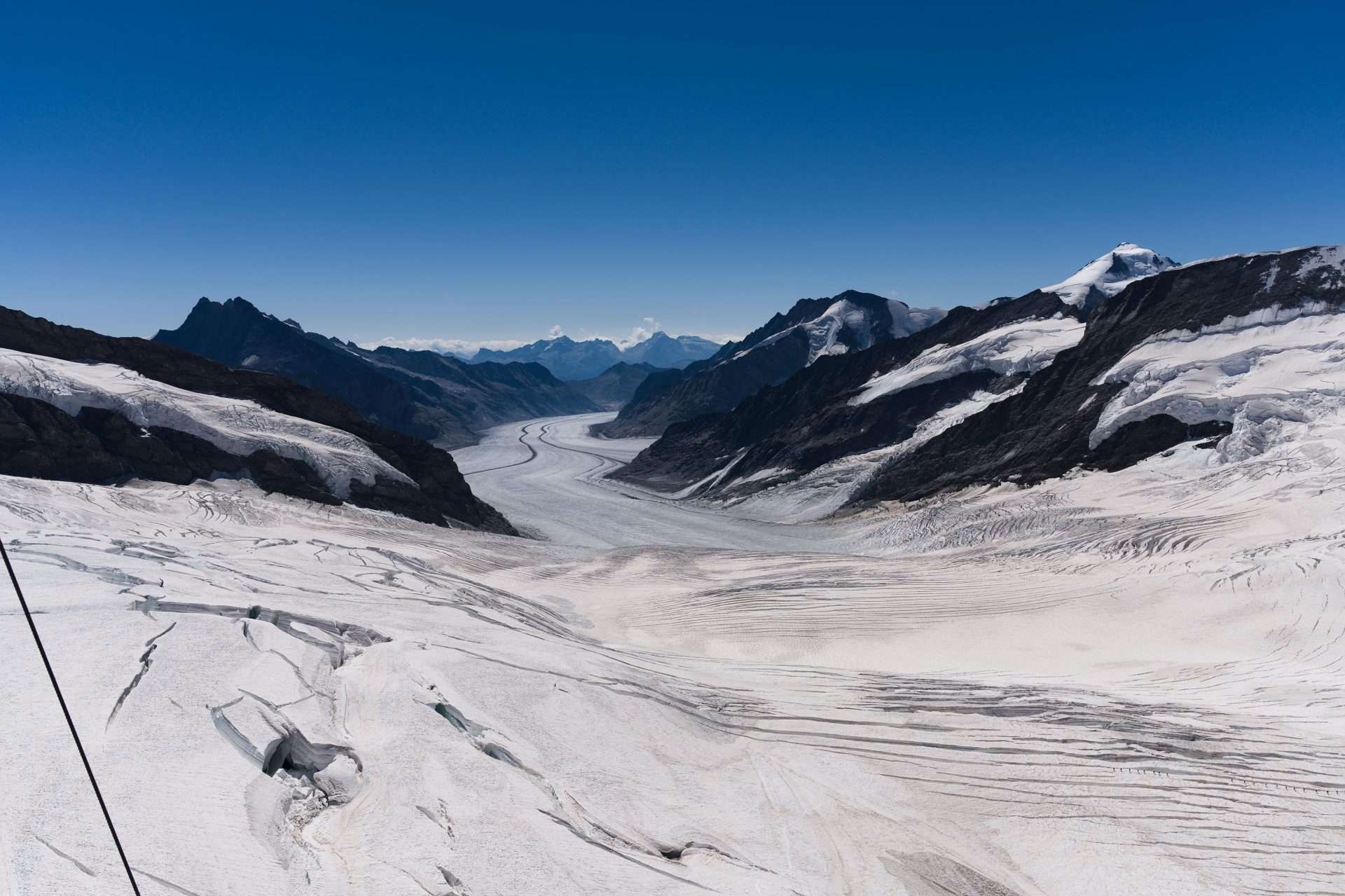
Caption Text Swiss Glaciers Have Lost Almost 20% of Their Ice Since 2021
A winter with very little snowfall followed by intense heatwaves from May to September left glaciers without their protective... - Latest News
Caption Text Rooftop Revolution in France: Why Big Buildings Are Going Green
France is making rooftops part of its response to climate change. Instead of treating roofs as unused building space, new... - Latest News
Caption Text Half of Europe Experienced Very Strong Heat Stress During Summer 2026
More than half of Europe experienced very strong heat stress at some point during summer 2026, as repeated heatwaves pushed temperatures... - Latest News
Caption Text Europe’s Climate Change Bill Is Growing
Climate change is already creating a growing financial burden across Europe. Between 1980 and 2024, weather and climate related... - Latest News
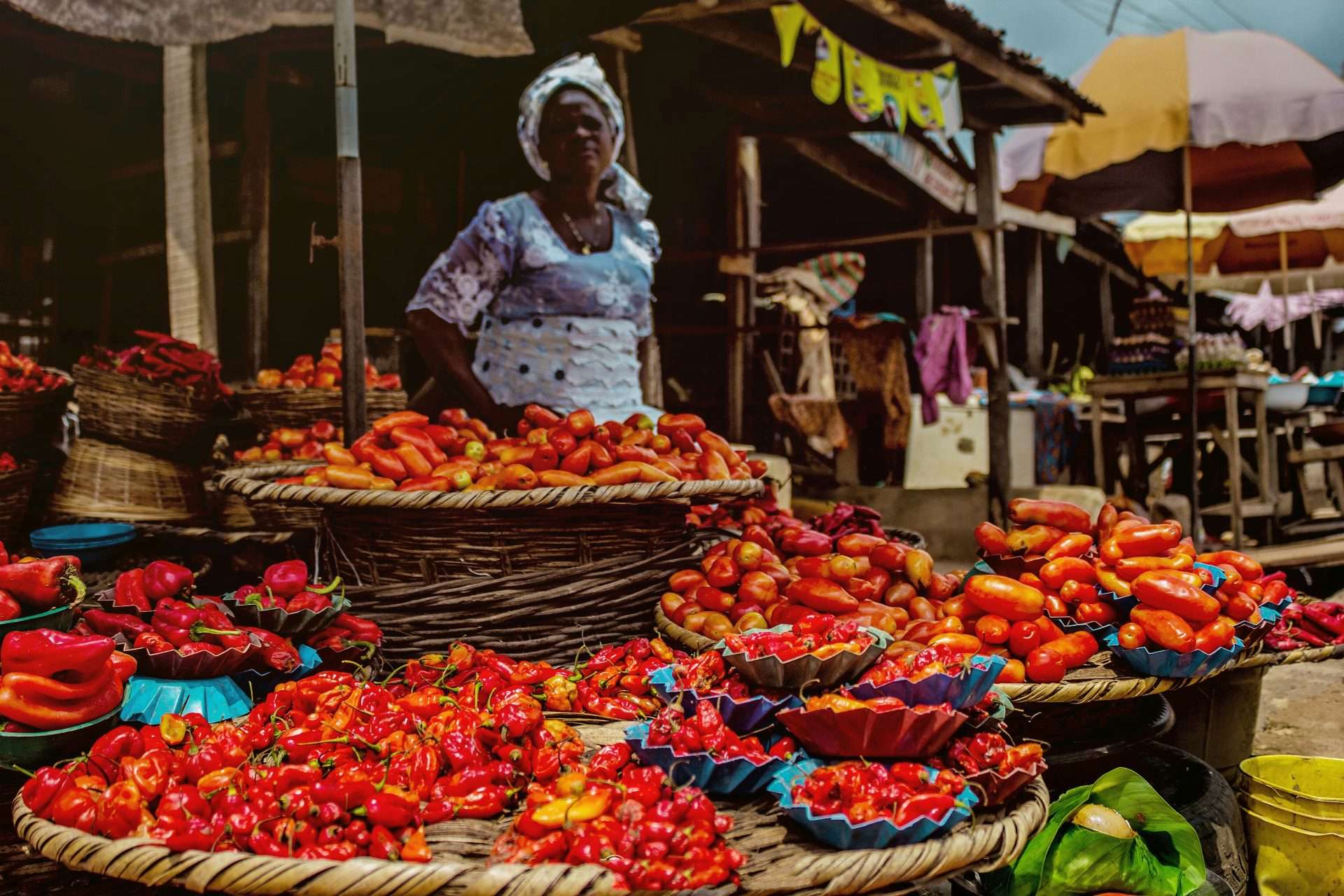
Caption Text By 2030, Most Families in Ethiopia, Malawi, and Nigeria Won’t Be Able to Afford a Healthy Meal
By 2030, more than 90% of people in Malawi and Nigeria, and 75% in Ethiopia, won’t be able to... - Latest News
Caption Text Global Rivers Are Losing Oxygen as the Climate Warms
Rivers around the world are losing dissolved oxygen, an essential condition for healthy freshwater ecosystems. A 2026 study published in Science Advances analysed 21,439...




All Global Risks posts
