
September 1, 2025

Latest News
Vui lòng cuộn xuống bên dưới để xem phiên bản tiếng Việt của bài viết này. / Please scroll below for the Vietnamese version of this article.
In August 2025, Typhoon Kajiki struck Vietnam’s central provinces, delivering sustained winds of 118–133 km/h and widespread flooding. The storm displaced approximately 600,000 individuals, forced the closure of schools and airports, and inflicted extensive damage to housing and infrastructure. Kajiki is the most recent in a sequence of increasingly severe tropical cyclones affecting Southeast Asia.
Human impact:
Several communities and surrounding provinces experienced inundation from waves exceeding two metres, while heavy rainfall led to flash floods and heightened risks of landslides. Thousands sought shelter in evacuation centres, often under precarious conditions with limited resources.
Increasing Typhoon frequency:
Kajiki follows Typhoon Yagi (2024), which was classified as Vietnam’s most powerful storm in three decades and resulted in 300 fatalities nationally, causing $3.3 billion in damage . The recurrence of such high-intensity events within a short timeframe illustrates the escalating vulnerability of the region.
Climate change link:
Studies of tropical cyclone (TC) activity in the Vietnam East Sea show a clear shift in storm patterns over the past four decades. From 1975–1994 to 1995–2014, strong TCs (Beaufort scale category 13 and above) increased, while weaker and moderate storms declined. This trend is linked to a stronger north–south surface temperature gradient (STG), which creates larger pressure contrasts and more favorable conditions for intense cyclone development.
These changes are also connected to polar warming, which disrupt global circulation and alter the thermal balance between poles and tropics. The result is stronger vertical wind shear and weaker monsoons, reducing weaker storms but allowing stronger ones to persist and intensify. This highlights Vietnam’s growing exposure to more destructive cyclones under climate change.
Adaptation and Resilience
The impacts of Kajiki underscore structural and systemic vulnerabilities:
- Infrastructure fragility, particularly in coastal housing and transport systems.
- Public health risks linked to mass displacement and overcrowded shelters.
- Socioeconomic disruption through damage to agriculture, livelihoods, and supply chains.
Strengthening early-warning systems, enhancing flood defense mechanisms, and implementing climate-resilient infrastructure are urgent priorities. Long-term mitigation through substantial global emissions reductions, remains essential to reducing the probability of such events intensifying further.
Read more about extreme weather here.
Subscribe to our Climate Alert Bulletin for biweekly updates on how global climate risks impact you.
Bản dịch tiếng Việt / Vietnamese Translation
Lưu ý: Bản dịch này được thực hiện với sự hỗ trợ của ChatGPT và công cụ dịch tự động. Nội dung chưa được kiểm duyệt bởi người bản xứ. Nếu bạn là người nói tiếng Việt bản địa và thấy điểm nào cần chỉnh sửa, xin vui lòng góp ý: ridhima@arcticbasecamp.org. / Note: This translation was created with the assistance of ChatGPT and translation tools. It has not been reviewed by a native Vietnamese speaker. If you are a native speaker and spot areas for improvement, we welcome your suggestions: ridhima@arcticbasecamp.org.
Bão Kajiki Tấn Công Việt Nam
Vào tháng 8 năm 2025, bão Kajiki đã đổ bộ vào các tỉnh miền Trung Việt Nam với sức gió duy trì từ 118–133 km/h và gây ra lũ lụt trên diện rộng. Cơn bão đã khiến khoảng 600.000 người phải sơ tán, buộc các trường học và sân bay phải đóng cửa, đồng thời gây thiệt hại nghiêm trọng đến nhà ở và cơ sở hạ tầng. Kajiki là cơn bão mới nhất trong chuỗi các cơn bão nhiệt đới ngày càng dữ dội đang ảnh hưởng đến Đông Nam Á.
Tác động đến con người:
Nhiều cộng đồng và tỉnh lân cận bị ngập trong sóng cao hơn hai mét, trong khi lượng mưa lớn đã gây ra lũ quét và gia tăng nguy cơ sạt lở đất. Hàng nghìn người đã phải tìm nơi trú ẩn tại các trung tâm sơ tán, thường trong điều kiện bấp bênh và thiếu thốn tài nguyên.
Tần suất bão gia tăng:
Kajiki diễn ra sau bão Yagi (2024), được xem là cơn bão mạnh nhất tại Việt Nam trong ba thập kỷ, khiến 300 người thiệt mạng và gây thiệt hại 3,3 tỷ USD. Sự lặp lại của các sự kiện có cường độ cao trong khoảng thời gian ngắn cho thấy mức độ dễ bị tổn thương ngày càng gia tăng của khu vực.
Liên hệ với biến đổi khí hậu:
Các nghiên cứu về hoạt động của bão nhiệt đới tại Biển Đông cho thấy sự thay đổi rõ rệt trong mô hình bão trong bốn thập kỷ qua. Từ giai đoạn 1975–1994 sang 1995–2014, số lượng các cơn bão mạnh (cấp 13 trở lên theo thang Beaufort) đã tăng lên, trong khi các cơn bão yếu và trung bình lại giảm. Xu hướng này liên quan đến sự gia tăng chênh lệch nhiệt độ bề mặt Bắc–Nam, tạo ra sự chênh lệch áp suất lớn hơn và điều kiện thuận lợi hơn cho sự hình thành của các cơn bão mạnh.
Những thay đổi này cũng liên quan đến hiện tượng ấm lên ở vùng cực, gây rối loạn hệ tuần hoàn toàn cầu và thay đổi cân bằng nhiệt giữa hai cực và vùng nhiệt đới. Kết quả là gió đứt tầng dọc mạnh hơn và gió mùa yếu hơn — làm giảm số lượng bão yếu nhưng cho phép các cơn bão mạnh kéo dài và tăng cường. Điều này cho thấy mức độ phơi nhiễm ngày càng cao của Việt Nam trước các cơn bão tàn khốc dưới tác động của biến đổi khí hậu.
Thích ứng và Tăng cường Khả năng Chống chịu:
Tác động của bão Kajiki làm nổi bật các lỗ hổng cấu trúc và hệ thống, bao gồm:
- Sự yếu kém trong cơ sở hạ tầng, đặc biệt là nhà ở ven biển và hệ thống giao thông.
- Nguy cơ y tế cộng đồng do di dời hàng loạt và điều kiện quá tải tại các trung tâm sơ tán.
- Sự gián đoạn kinh tế – xã hội thông qua thiệt hại đối với nông nghiệp, sinh kế và chuỗi cung ứng.
Việc tăng cường hệ thống cảnh báo sớm, củng cố các cơ chế phòng chống lũ lụt và triển khai cơ sở hạ tầng thích ứng với khí hậu là những ưu tiên cấp thiết. Về lâu dài, việc giảm mạnh lượng khí thải toàn cầu là điều thiết yếu để giảm nguy cơ các sự kiện này tiếp tục gia tăng về cường độ.
Tìm hiểu thêm về thời tiết cực đoan tại đây.
Đăng ký Climate Alert Bulletin của chúng tôi để nhận các bản tin hai tuần một lần về cách các rủi ro khí hậu toàn cầu đang ảnh hưởng đến bạn.
What You Can Do?
Join the Fight Against World's Climate Crisis
SubscribeDiscover global climate challenges and the Polar connection
Spread the WordShare this page to raise awareness
Read More From the Global Risks Category
- Latest News
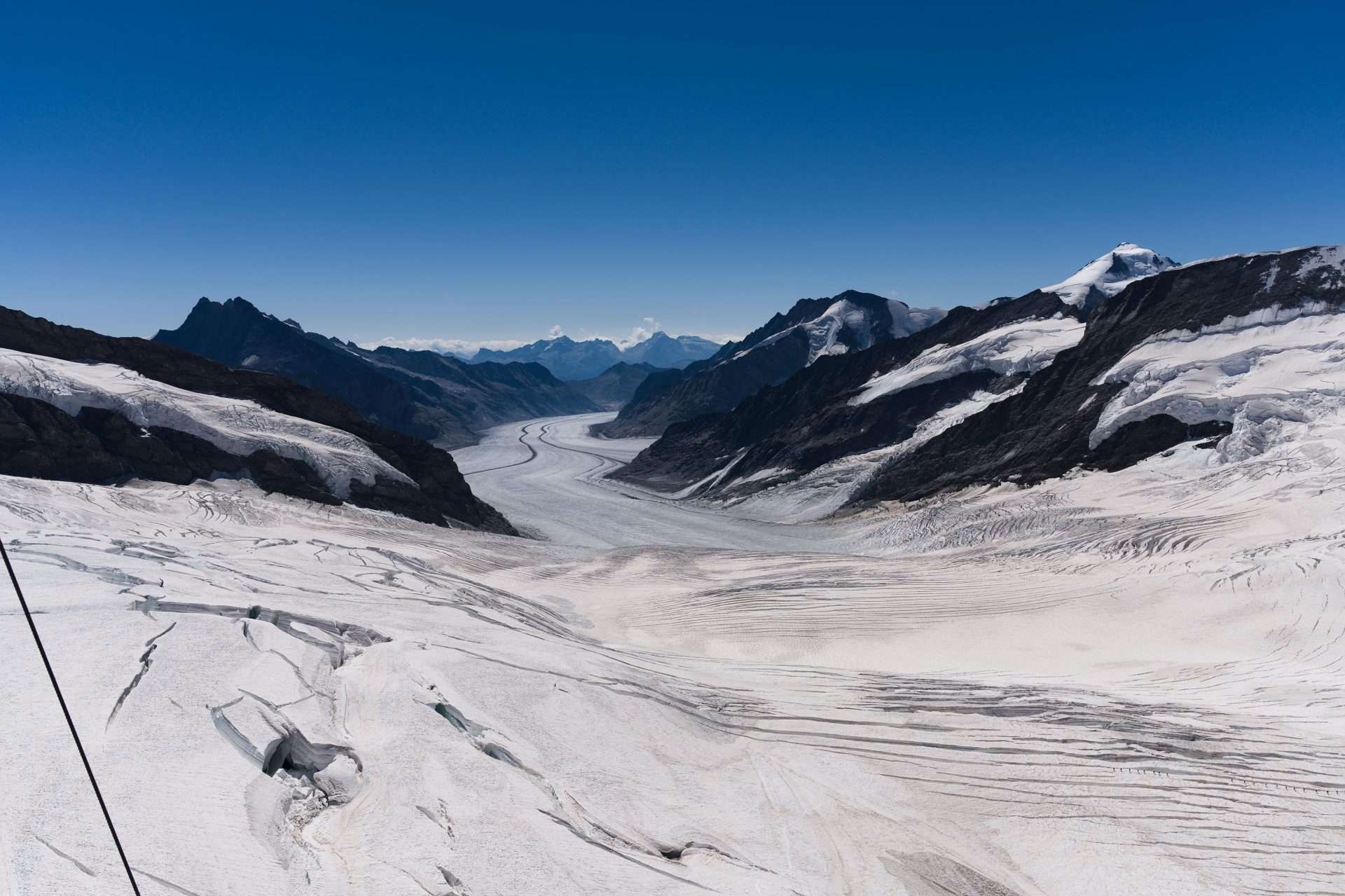
Caption Text Swiss Glaciers Have Lost Almost 20% of Their Ice Since 2021
A winter with very little snowfall followed by intense heatwaves from May to September left glaciers without their protective... - Latest News
Caption Text Rooftop Revolution in France: Why Big Buildings Are Going Green
France is making rooftops part of its response to climate change. Instead of treating roofs as unused building space, new... - Latest News
Caption Text Half of Europe Experienced Very Strong Heat Stress During Summer 2026
More than half of Europe experienced very strong heat stress at some point during summer 2026, as repeated heatwaves pushed temperatures... - Latest News
Caption Text Europe’s Climate Change Bill Is Growing
Climate change is already creating a growing financial burden across Europe. Between 1980 and 2024, weather and climate related... - Latest News
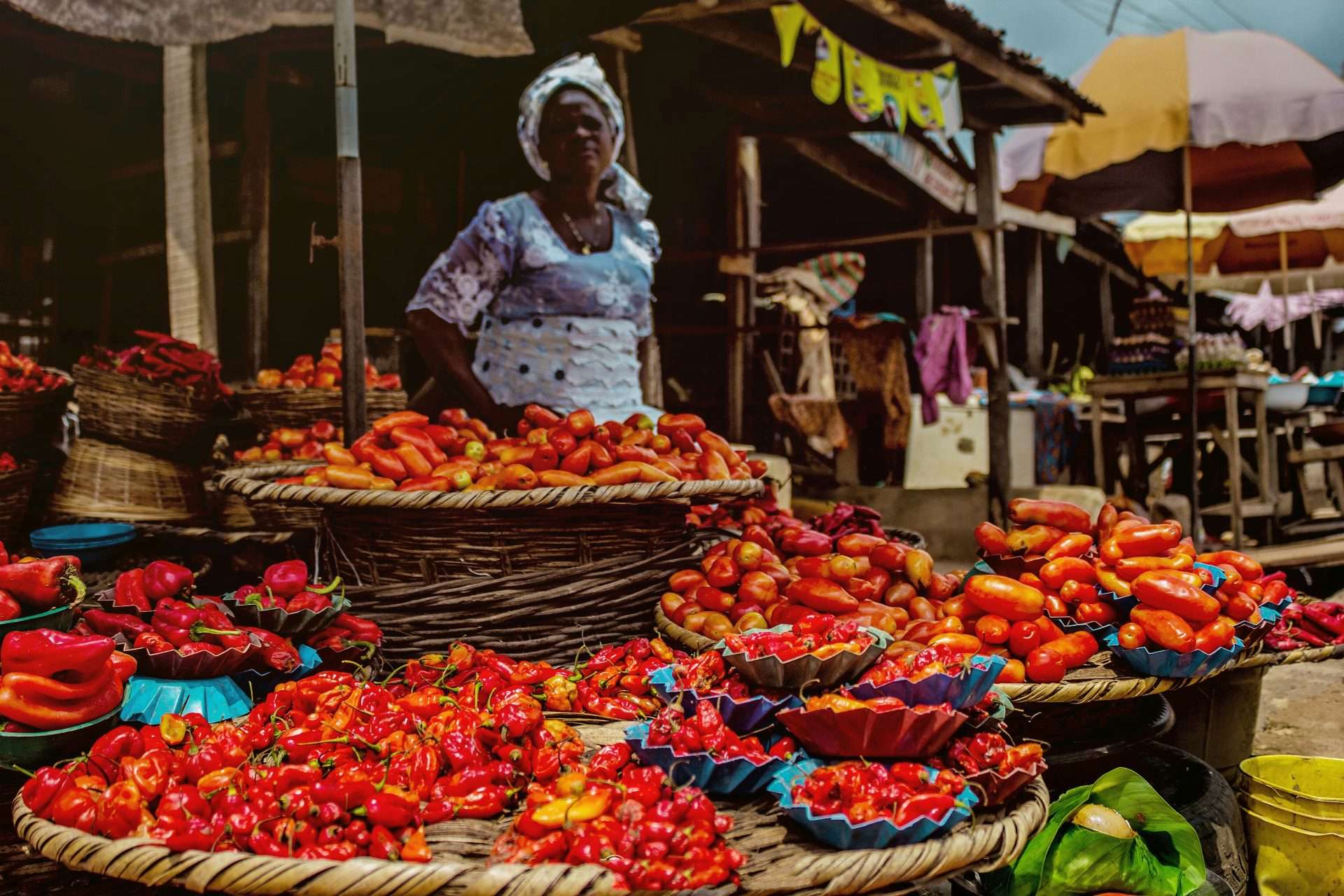
Caption Text By 2030, Most Families in Ethiopia, Malawi, and Nigeria Won’t Be Able to Afford a Healthy Meal
By 2030, more than 90% of people in Malawi and Nigeria, and 75% in Ethiopia, won’t be able to... - Latest News
Caption Text Global Rivers Are Losing Oxygen as the Climate Warms
Rivers around the world are losing dissolved oxygen, an essential condition for healthy freshwater ecosystems. A 2026 study published in Science Advances analysed 21,439...




All Global Risks posts
